a wall full of secrets
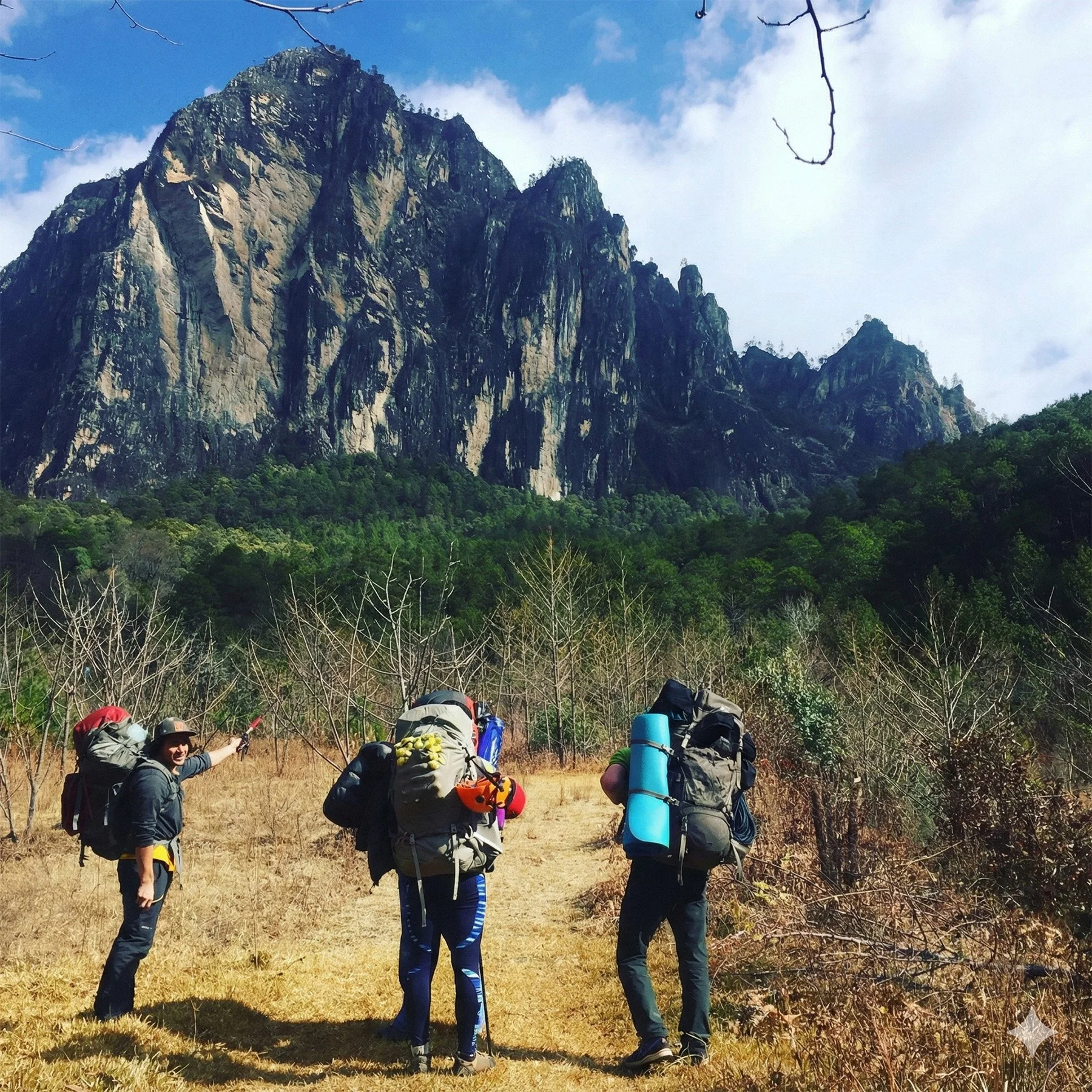
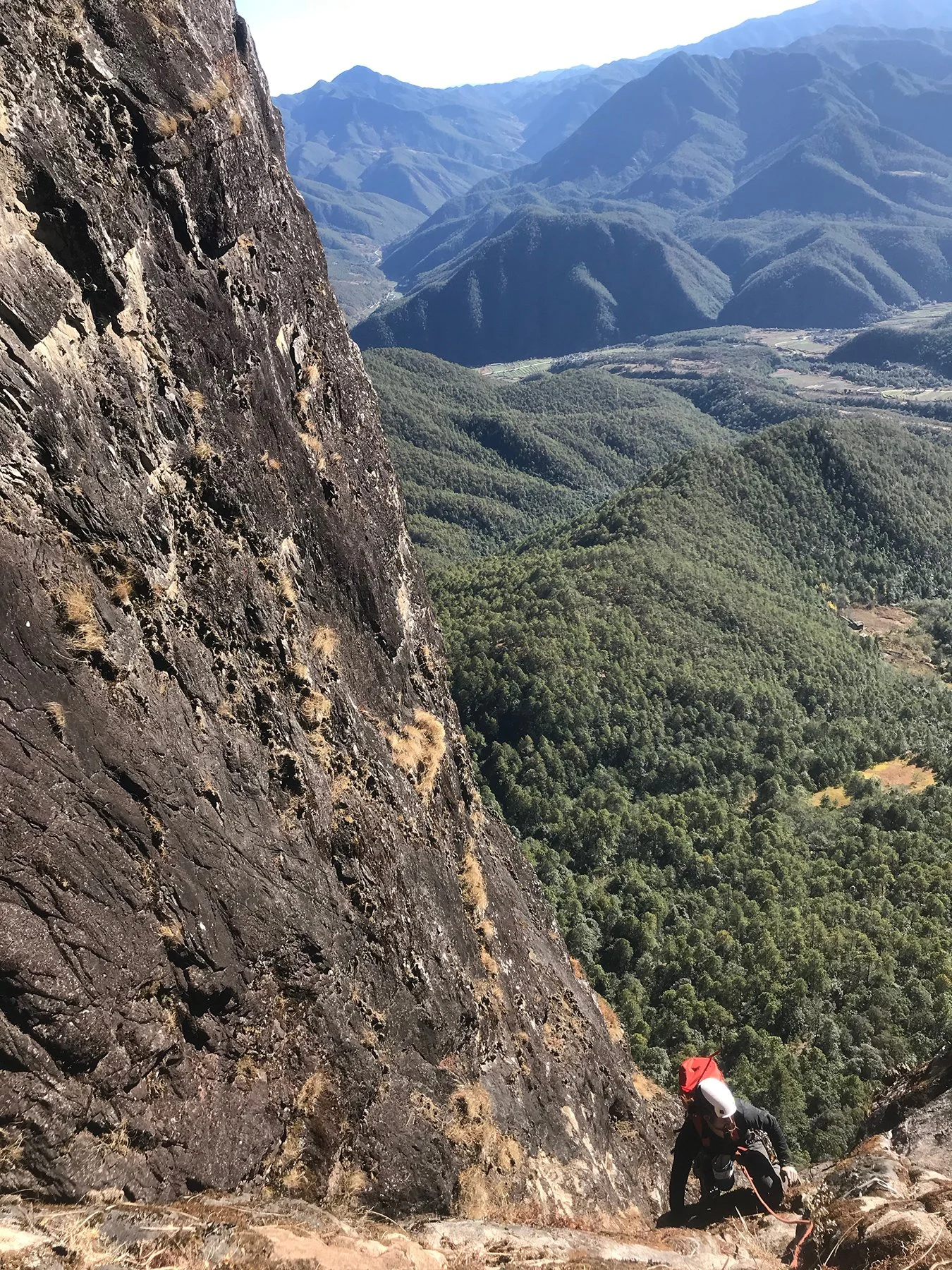
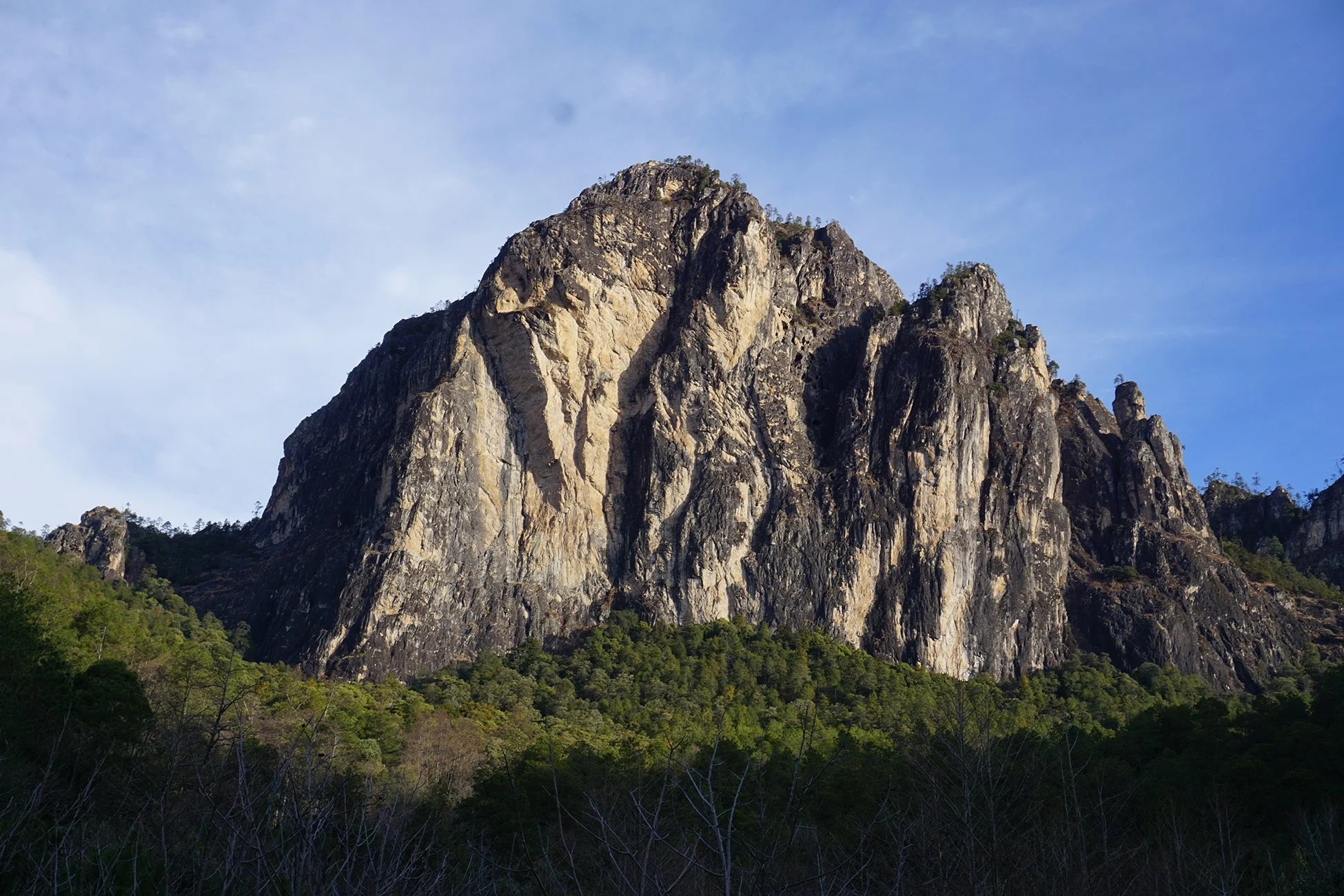
Towering over the pine forests in the foothills of the eastern Himalaya, Baiyansi is a huge, approximately 550 meter-tall wall in the highlands of western Yunnan Province, China.
While the area is known largely for the sandstone trad and sport mecca in Liming and the abundance of limestone sport climbing in Shigu, Baiyansi is a relatively new wall with incredible potential for an entirely different style of climbing unlike its more well-known neighbor crags. ICC’s founder, Ryder Stroud, spent nearly a decade refining his climbing and gear development skills in some of the best climbing destinations in Asia, all while being a part of a community helping push a forward a style of climbing that was largely unknown at the time in China.
-
![]()
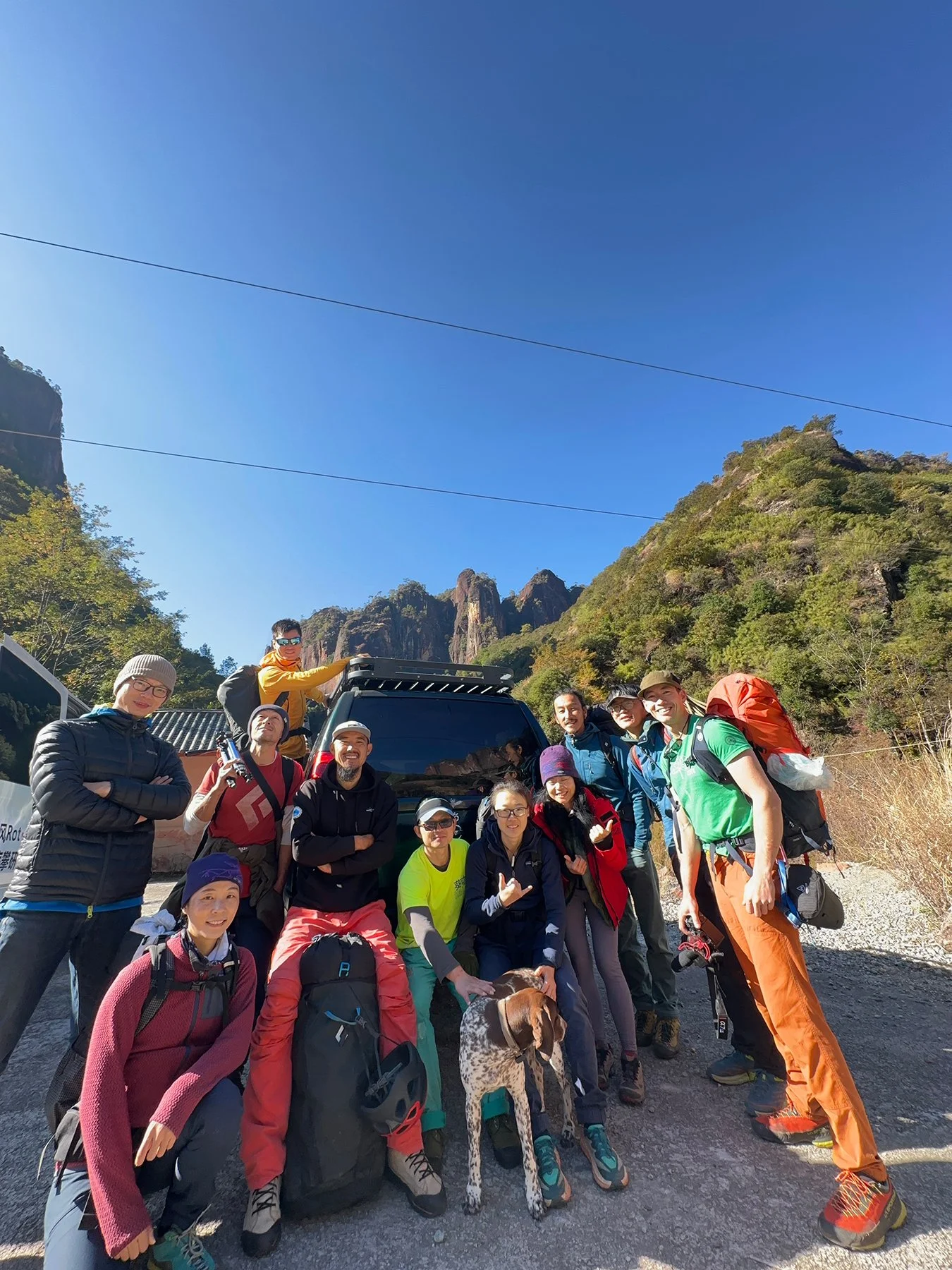
Part of the post-covid Liming climbing community, circa 2023
-
![]()
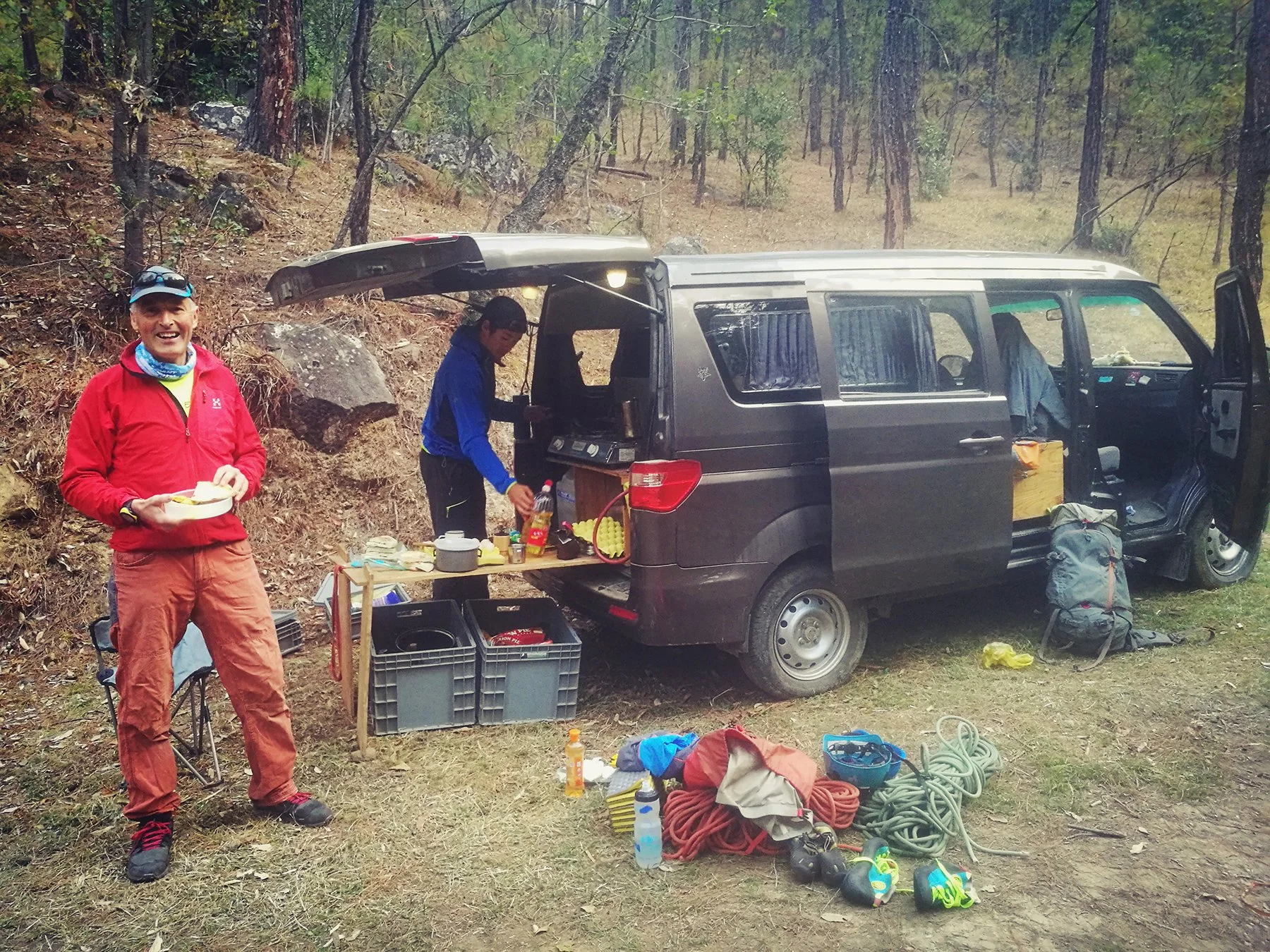
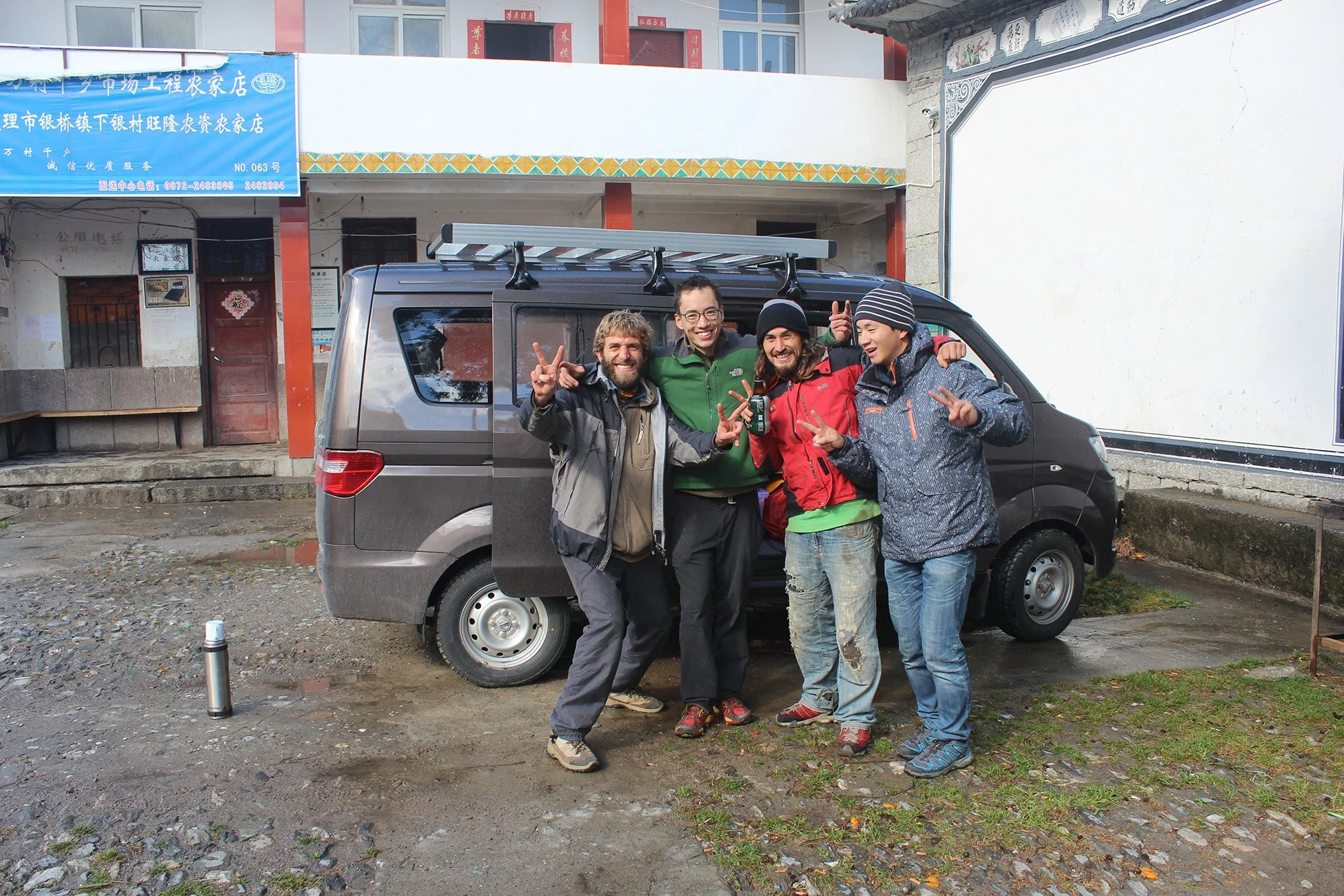
Ryder and some of his original climbing partners in China, circa 2014, pictured with Ryder's tiny van, which they affectionately named "The Turd Bus."
-
![]()
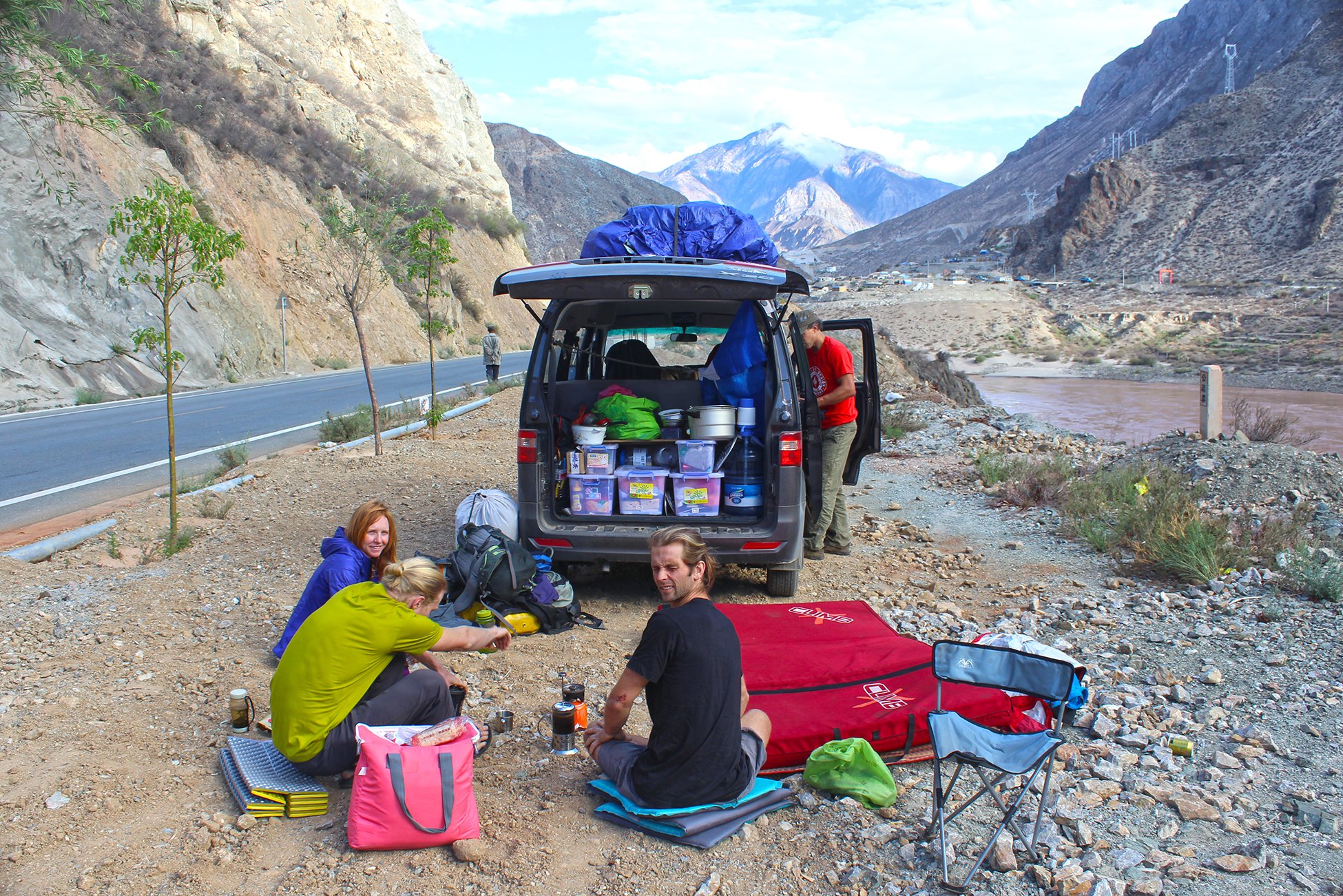
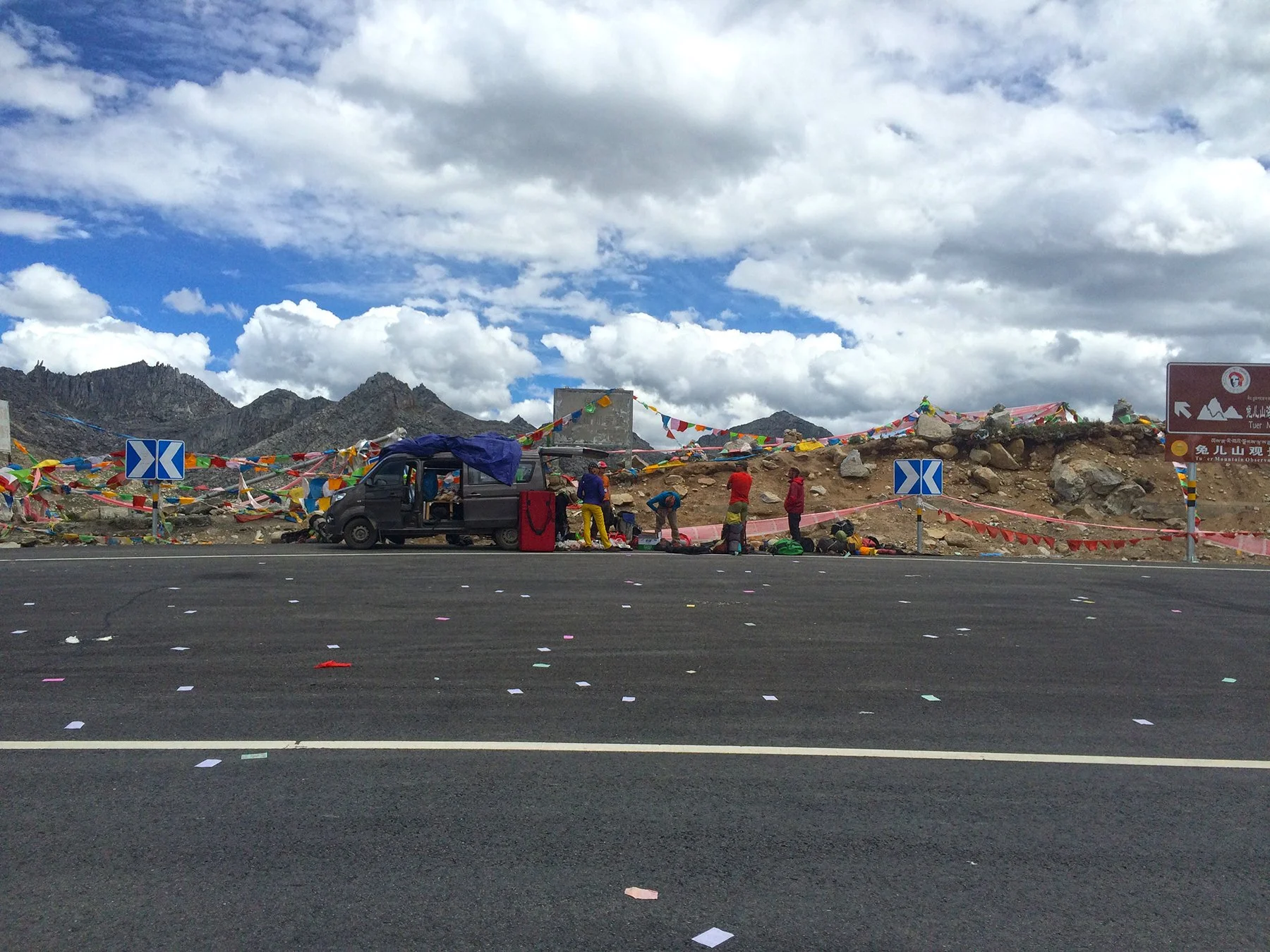
The Turd Bus, somewhere near the border of Tibet and Sichuan Provinces, circa summer 2015
-
![]()
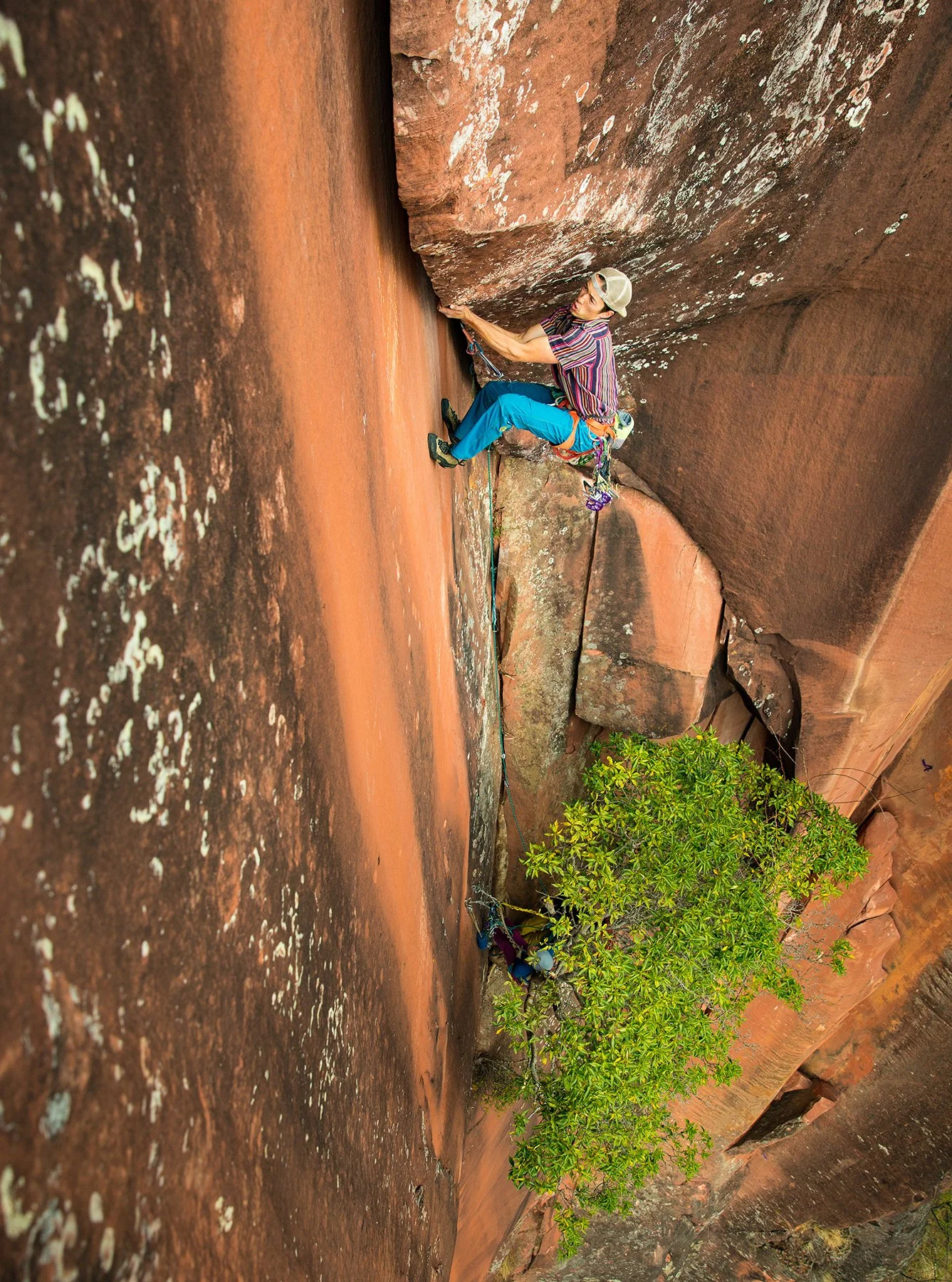
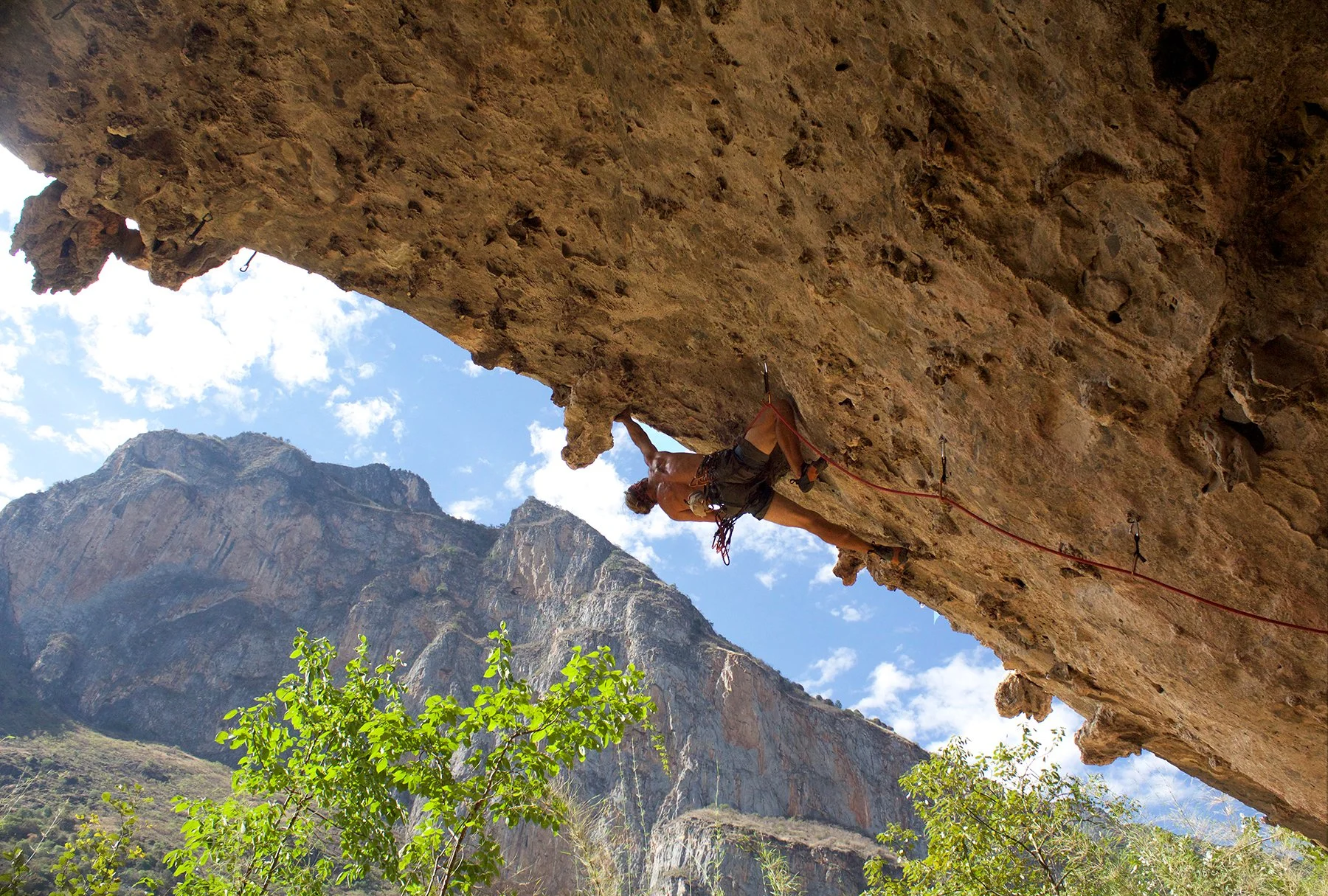
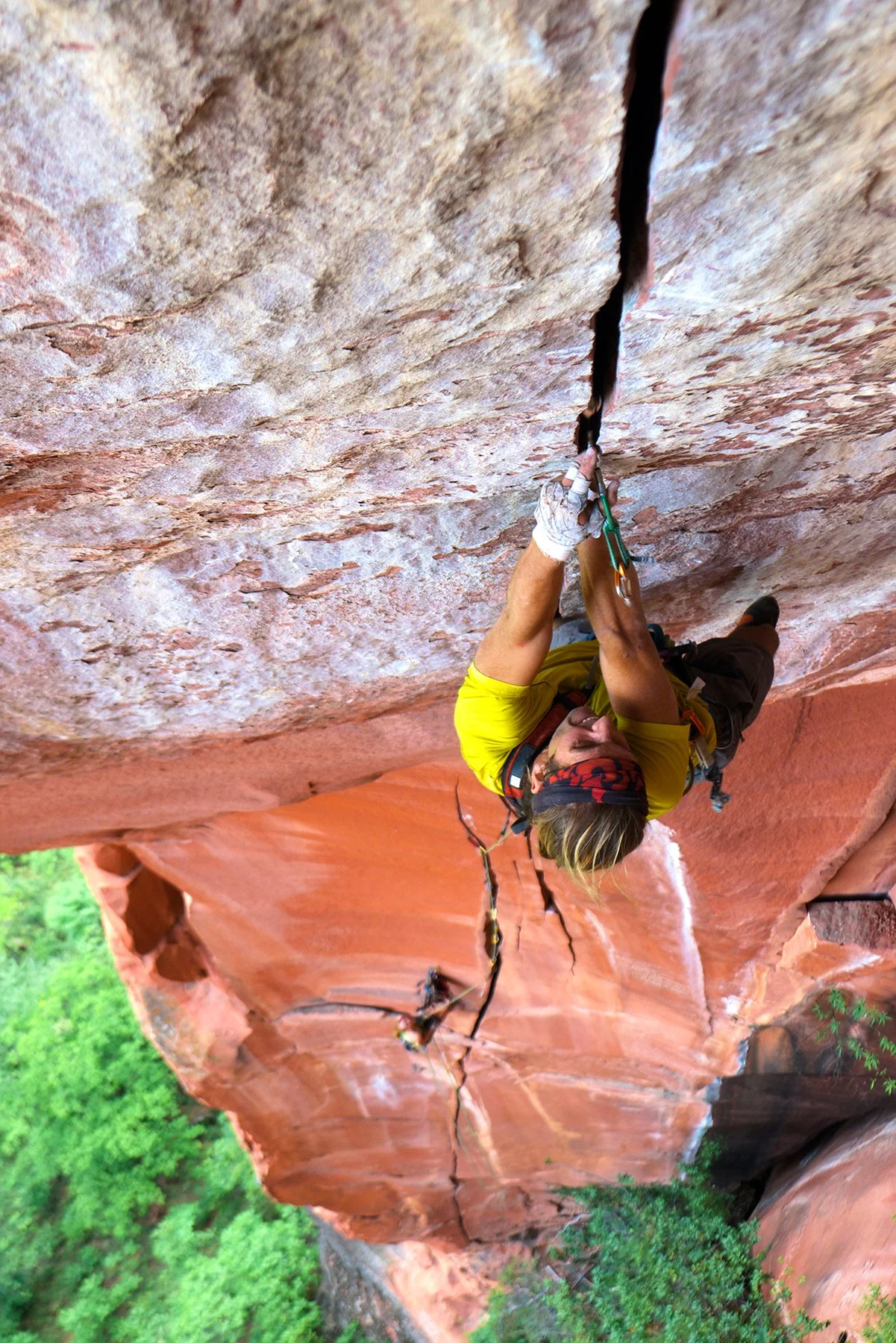
Ryder climbing one of his routes, Elephant Riders (5.12, 4 pitches) in Liming, Yunnan.
-
![]()
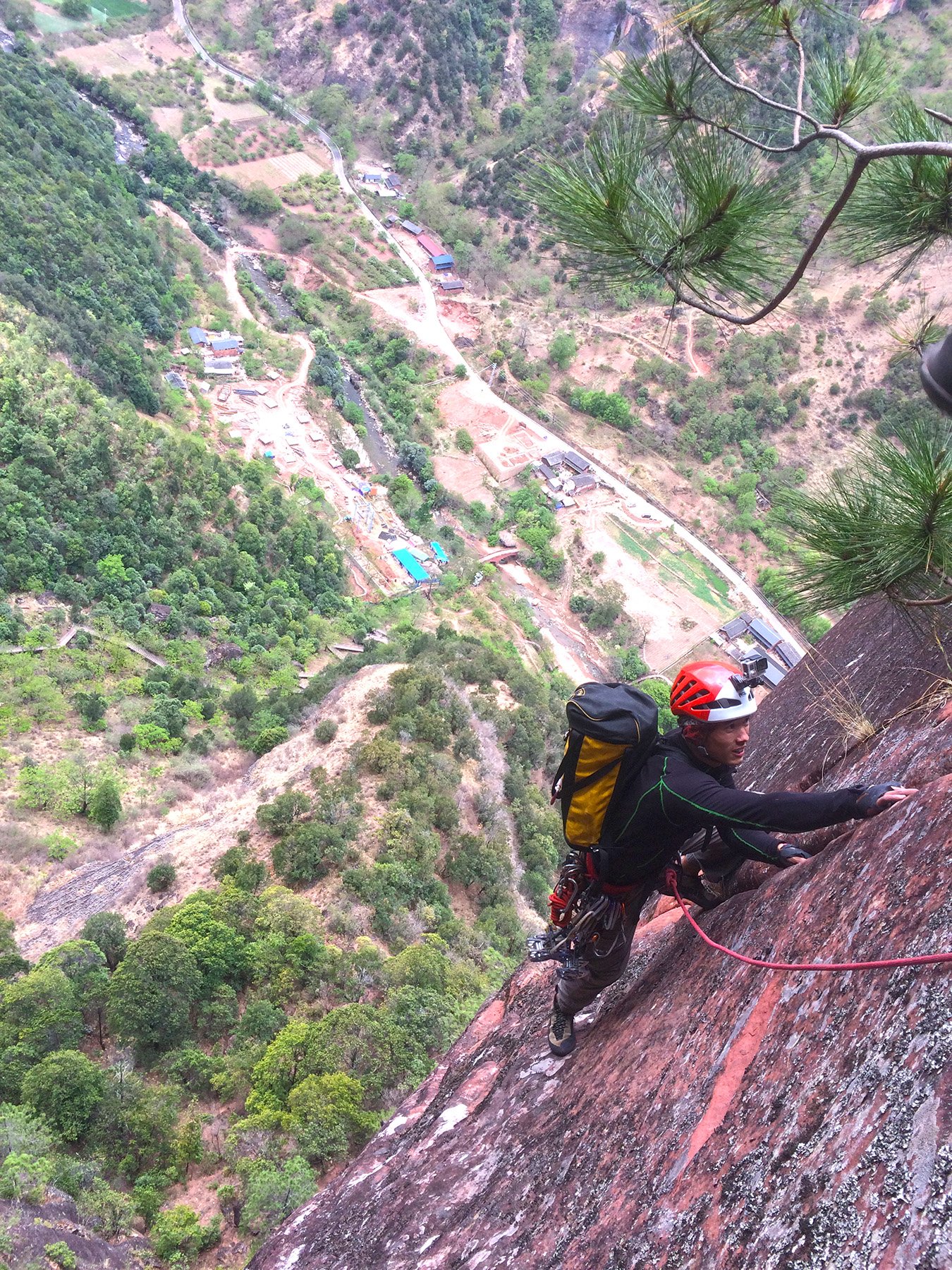
Ryder climbing one of the few adventure multipitches that existed in Yunnan Province at the time, Back to the Primitive (5.11c, 8 pitches).
-
![]()
A view of some of the climbing in the Shigu region of Yunnan, just next door to Baiyansi, circa summer 2015.
-
![]()
Ryder's mentor, Mike Dobie (the leader of the community during climbing's golden age in Liming, Yunnan), climbs The Firewall (5.13d, 3 pitches). Mike inspired Ryder to look further afield for new routes, leading Ryder and his friends to start climbing at Baiyansi.
-
![]()
Ryder's van high at a mountain pass in Western Sichuan Province in 2015, as he and his team sorted gear to go to Rabbit Ears Mountain.
a rich history in a diverse region
Long before Ryder and his climbing partner Dane Schellenberg climbed on Baiyansi’s walls, the mountain was a pilgrimage for the local people who lived in the valley below–a constellation of people from the Bai, Lisu, Naxi, and Han ethnicities. Local religious practices can very widely over short distances, and some of them fall under a name referred to as “Benzhu,” which roughly translates to “local gods” from Chinese.
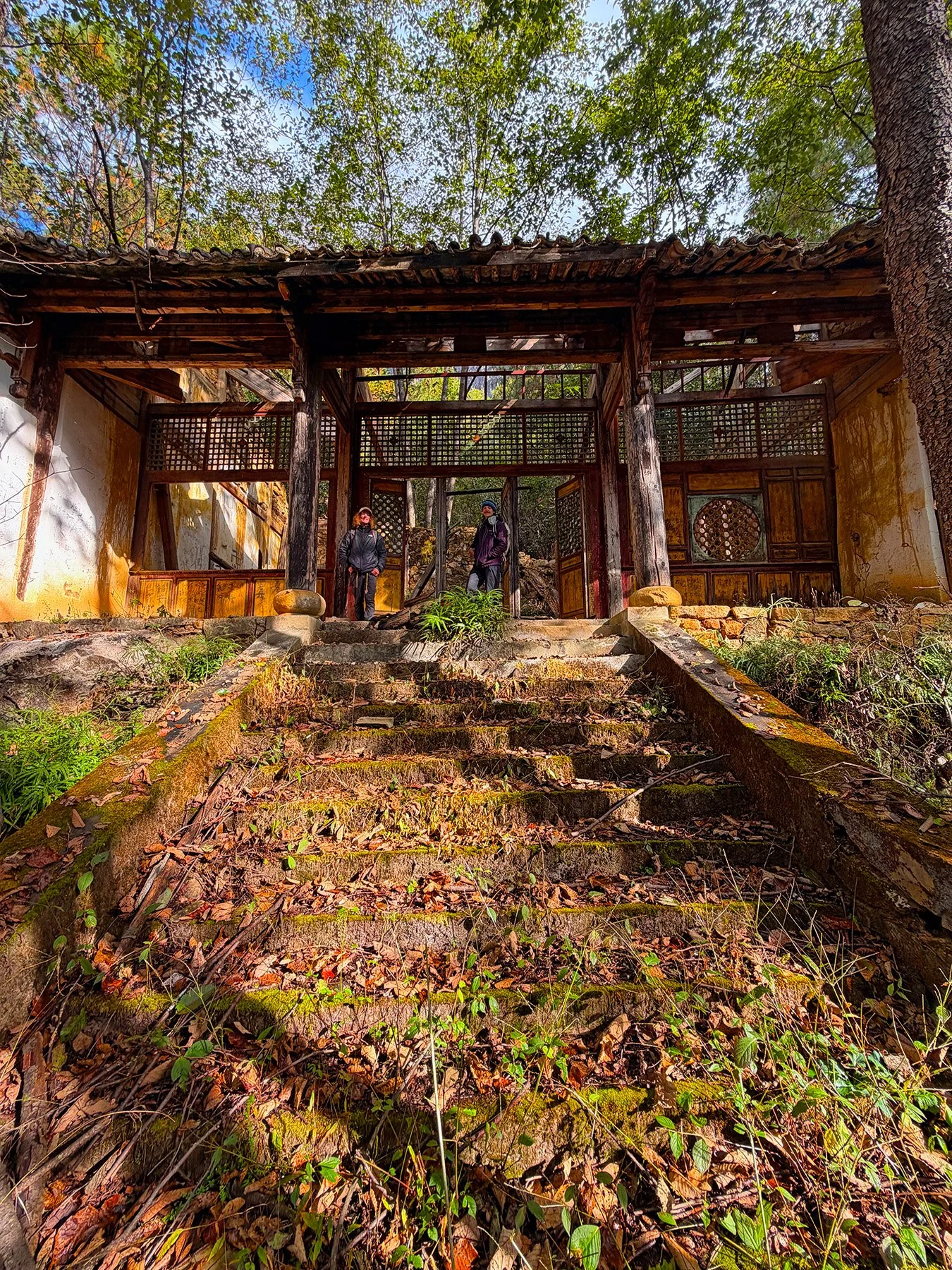
The religious sites on the mountain have largely been forgotten. Well below the mountain is a rammed earth and timber temple. The grounds are still littered with religious iconography and statues of deities that nature is reclaiming with each passing rainy season, as the structures slowly decay into the surrounding forest.
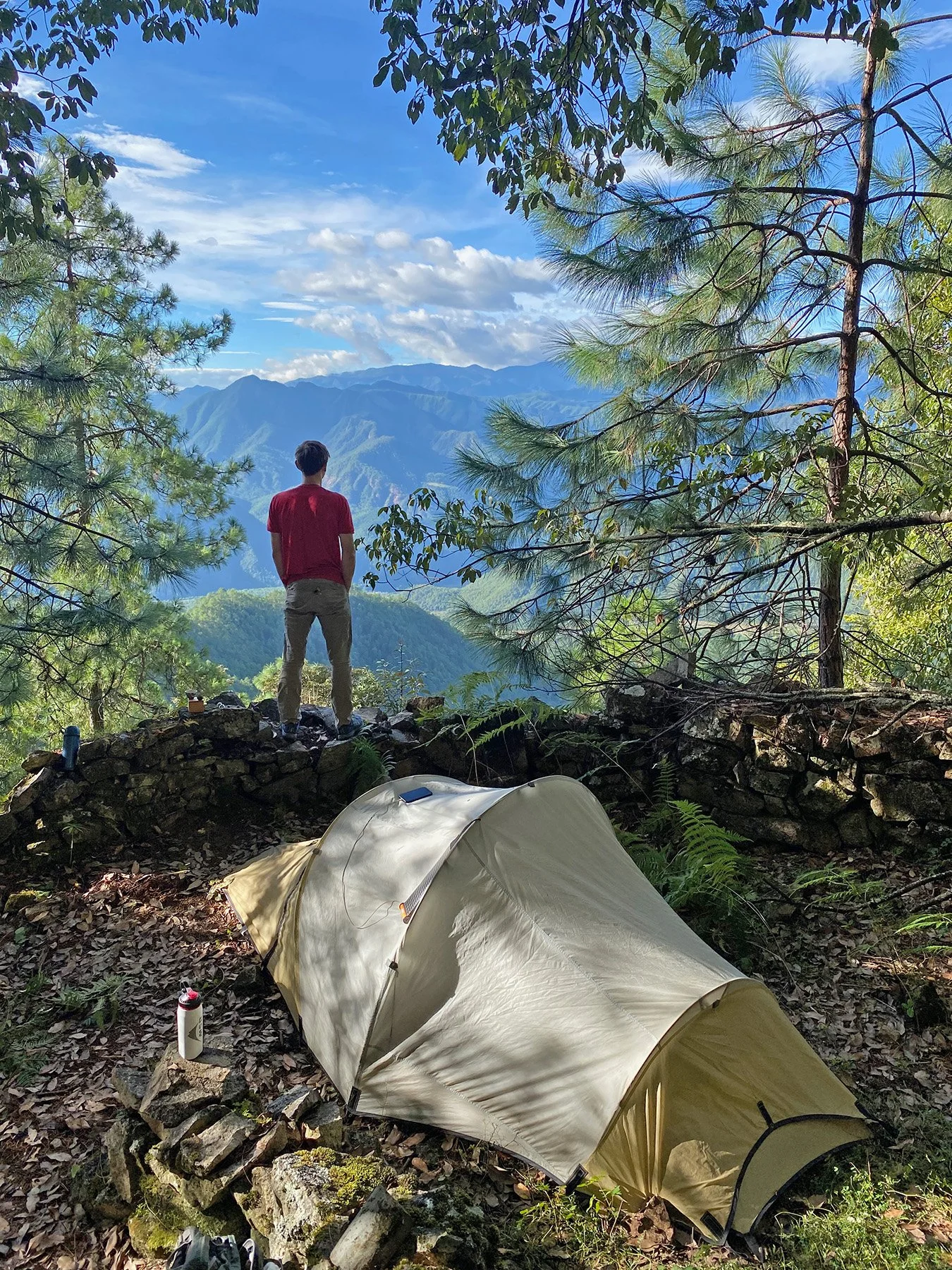
Further up the mountain, at the very base of the main wall sits evidence of a much older religious site. Visitors can find a stone foundation to a temple that dates back over two centuries to the Qing Dynasty. A low stone wall rings a flat section of earth atop a massive boulder, with the fourth side being the mountain of Baiyansi itself.
The most intact site that attests to Baiyansi’s spiritual history can be found at its very top. Climbers ascending Allegory of the Caves, the mountain’s longest climbing route, will find a small stone shrine perched atop the summit, surrounded by prayer flags and a small lean-to for people who make the journey up the steep trail that weaves up the back side of the mountain. The icons in the shrine itself are a testament to the crossroads that Yunnan served as both trade and cultural exchanges, as they bear elements of Tibetan Buddhism, Chinese Daoism, and a mix of local animistic beliefs.
In modern times, only a few local people go up the slopes of Baiyansi to tend their flocks of goats and cows as well as to gather mushrooms in the early fall following the summer rainy season.
-
![]()
A local Lisu resident of Liming, one of the mountain towns in the same range as Baiyansi.
-
![]()
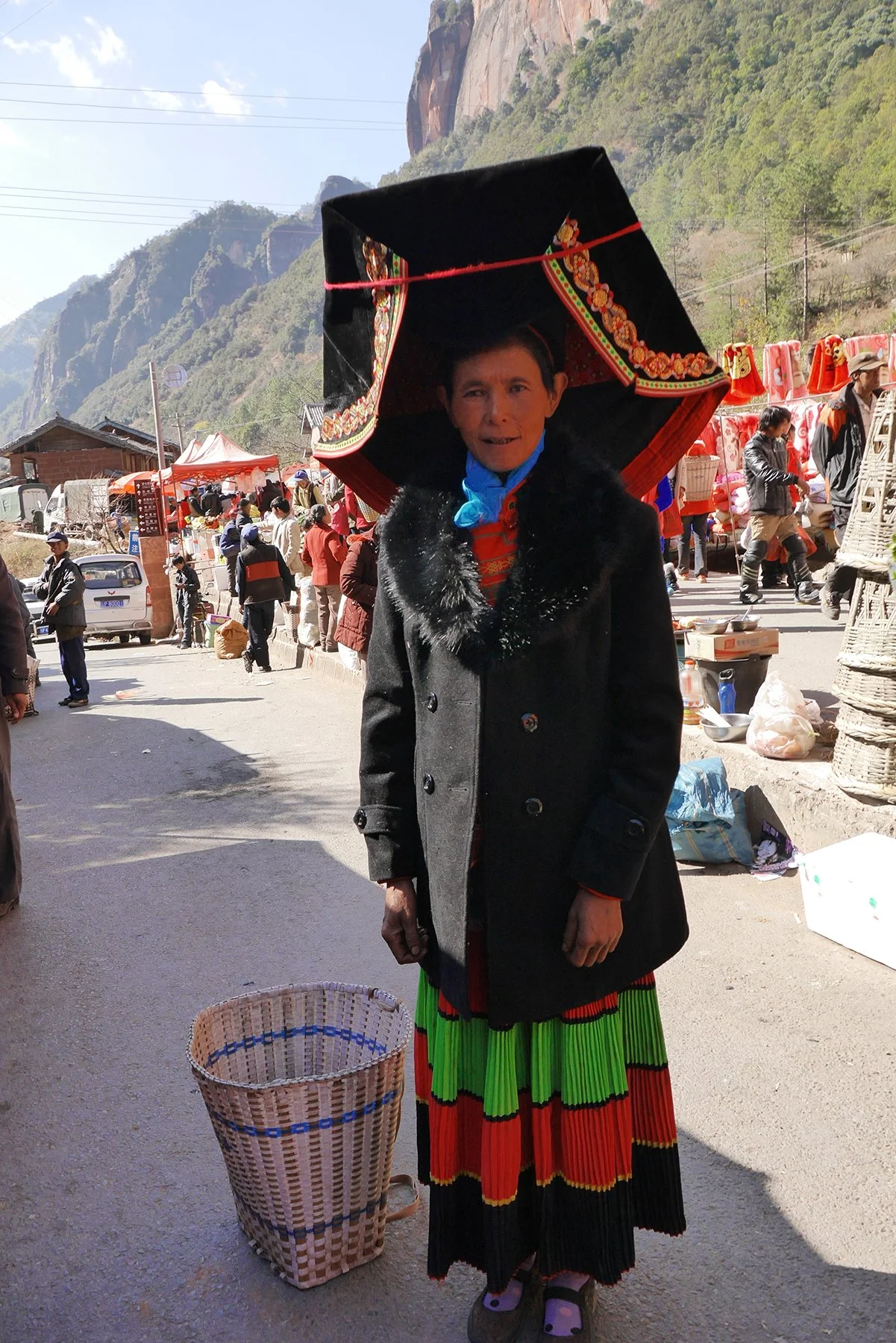
An Yi Woman at market day (赶集)near Baiyansi. The Yi People live high up in the mountains of Yunnan Province.
-
![]()
The ruins of a timber and rammed earth temple in the forest beneath Baiyansi.
-
![]()
Camping in the Qing Dynasty temple ruins at the base of Baiyansi.
-
![]()
A view of the main face of Baiyansi, stretching up to 1800 feet at its highest point.
-
![]()
Yunnan is the most ethnically diverse province in China. Here villagers gathering at a street market near Baiyansi. The area is a diverse mix of Lisu, Bai, Naxi, Yi, and Han people.


a climber’s paradise
In 2018, Ryder and Dane, picking up on some rumors picked up from a local guesthouse owner friend, ventured into the forest, expecting to find just a small wall sticking out of a bluff that they might find a few places to go rock climbing. They were not anticipating find much. After all, the climbing they had heard about for years was all in Liming and Shigu, nearby areas that everyone thought contained all of the region’s good climbing.
But after crashing through the undergrowth, they instead discovered something VERY different: an 1800-foot tall wall untouched by climbers. Its soaring faces rose upwards, with towers, caves, corners, and ridges zigzagging their way up the enormous faces to a summit up in the clouds. The two looked at each other and knew almost from the outset: this was a project they needed to undertake.
The two of them ventured off into the unknown, with each new route pushing higher up the formation than the last. The first was It’s Just a Ride, in 2018. The route climbed a prominent shoulder on the side of the mountain. While they felt excitement in creating its first climbing route, they knew something was missing. They needed a route that climbed to the mountain’s main summit. By the winter of 2019, the two had established one of the longest multipitch rock climbs in China, the 17-pitch Allegory of the Caves, a towering route that climbed through a wildly improbably series of caves high on the mountain.
Over the next 8 years, they embarked on an adventure of putting up routes in a style that the climbing community lacked but sorely needed: big, adventure climbing routes–routes that took not just athletic skill, but technical expertise and a big sense of exploration in order to complete. They wanted to create something to share with the climbing community. What they and their tight-knit group of Chinese and international climbers created turned into one of the premiere multipitch climbing destinations in all of China.
All the while, Ryder and Dane were spending weeks of their lives on the wall. They knew what they needed to carry to better their chances of success. Ryder kept thinking of how they could best package and carry their gear to get it up into new regions of unexplored mountain: how could they best carry water; how they could haul bags up a hard pitch without destroying the bag itself; how they could have a bag that could carry more on the walk in that could slim down to travel up the wall when it came time to climb.
This wildly long and thought-out process led him to realize: all of those ideals that he and Dane were bringing to create and share new routes with the climbing community could be built into his pack. While the of them built routes that gave climbers a sense of adventure, Ryder could build a pack that could help facilitate climbers’ realization and enjoyment of those experiences.
The Baiyansi 30 was built much like its namesake mountain: to give the climbing community tools through which they can go out and have a big adventure in improbable places deep in the mountains.
-
![]()
an early expedition to Baiyansi in January 2019
-
![]()
Ryder's van, "The Turd Bus" acting as a mobile base camp and resupply point for high camp at Baiyansi, circa spring 2019.
-
![]()
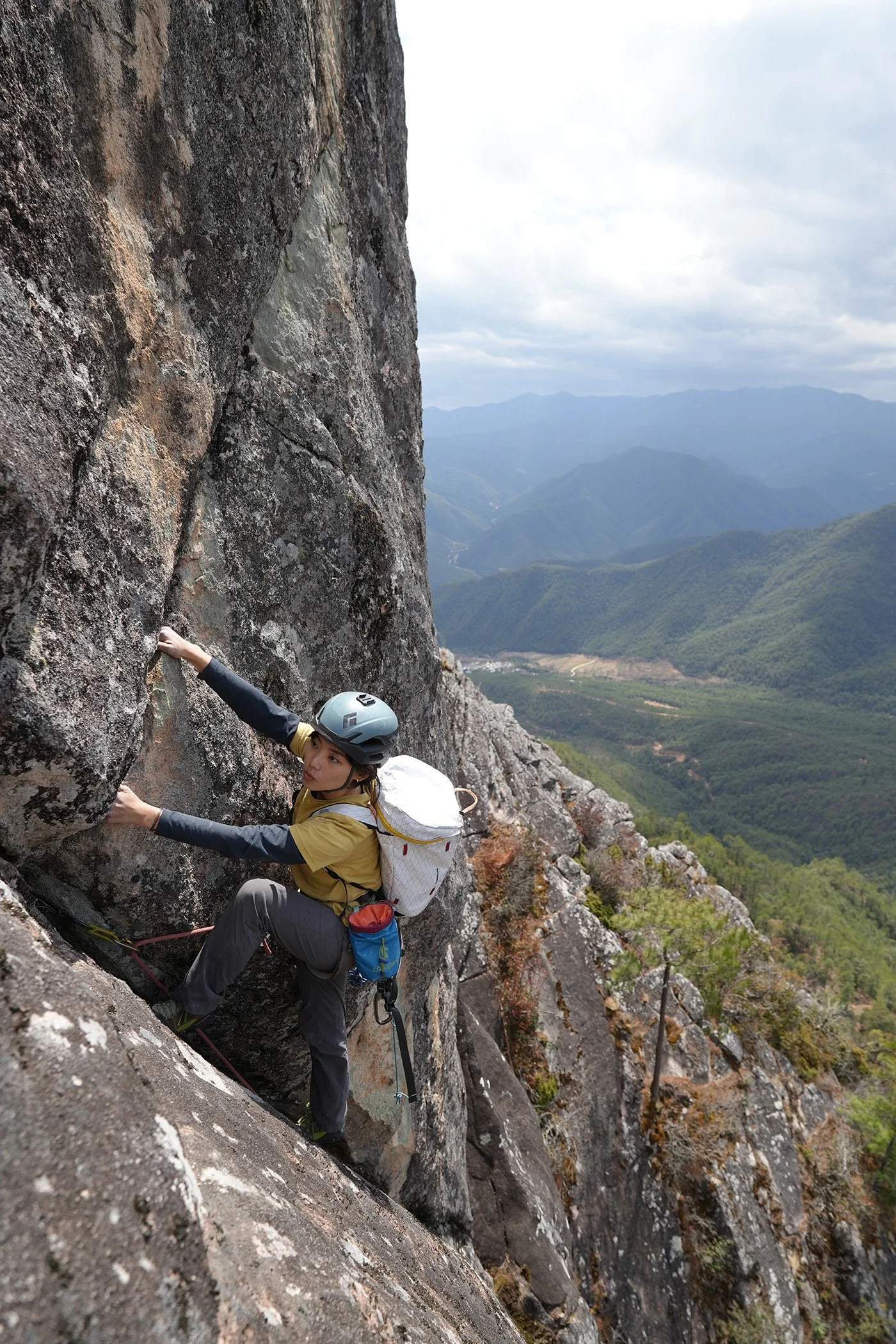
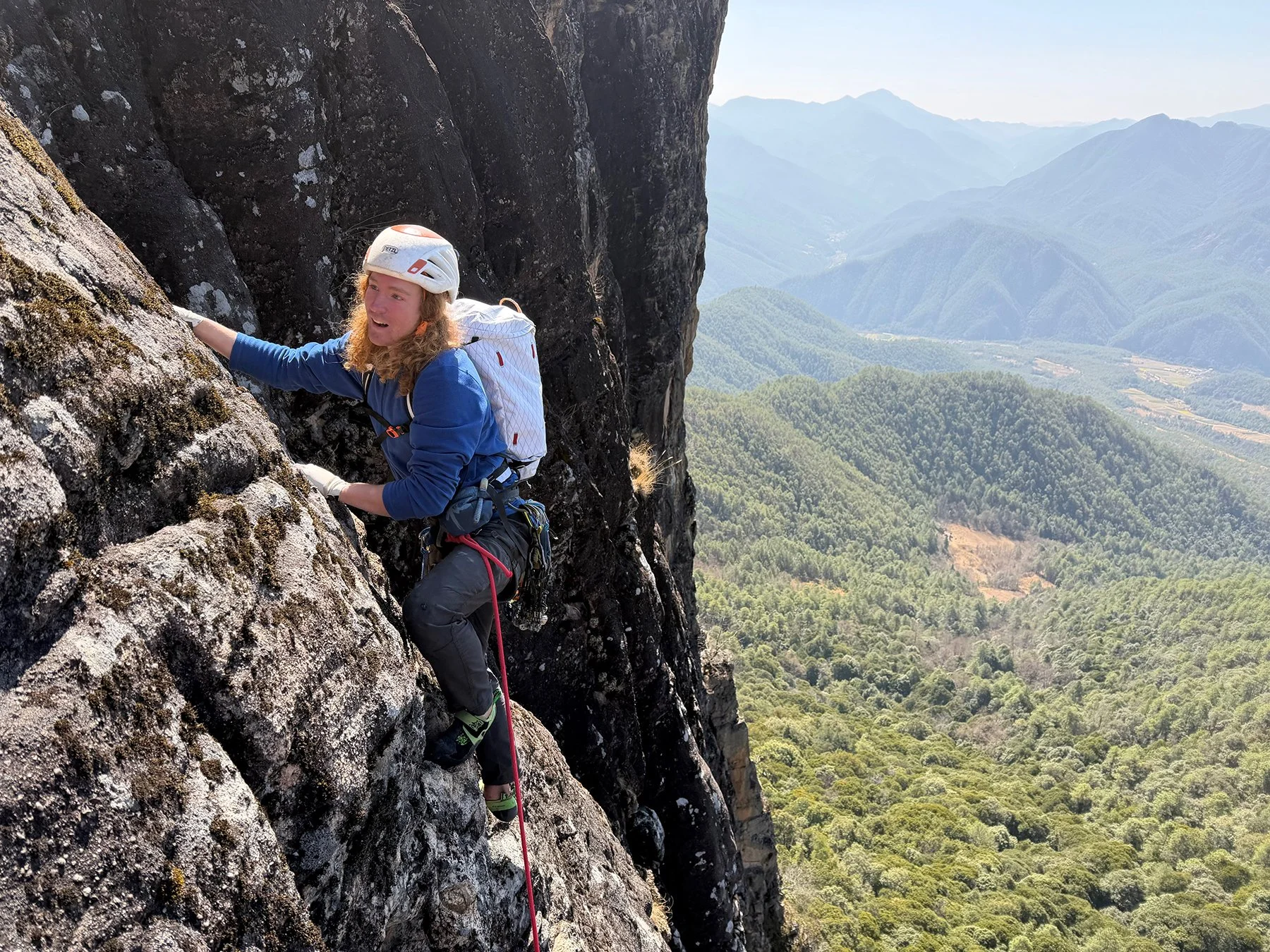
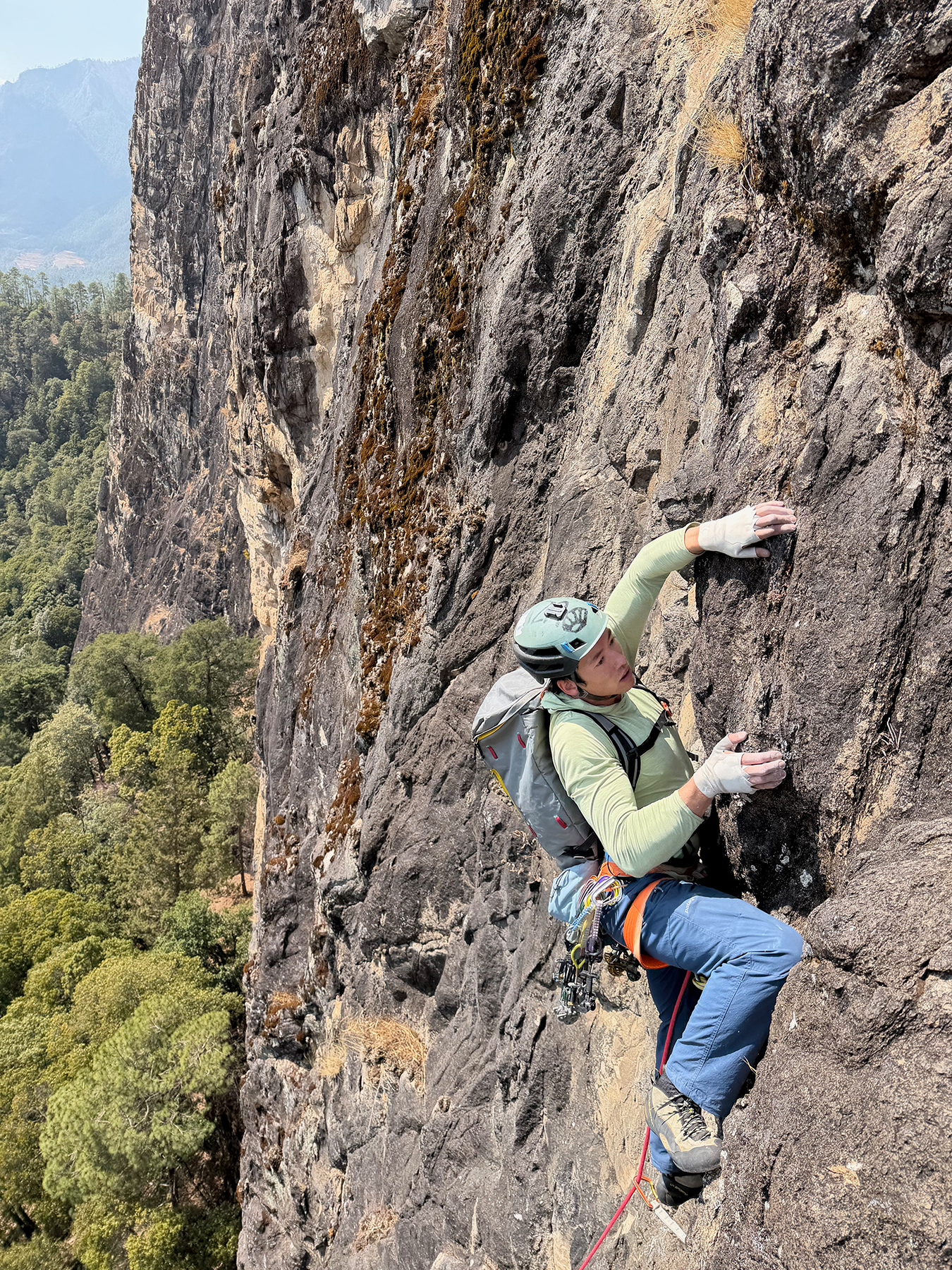
Baiyansi gets new gear: Yoonseo Cho test drives one of the new Baiyansi 30 packs on its namesake mountain.
-
![]()
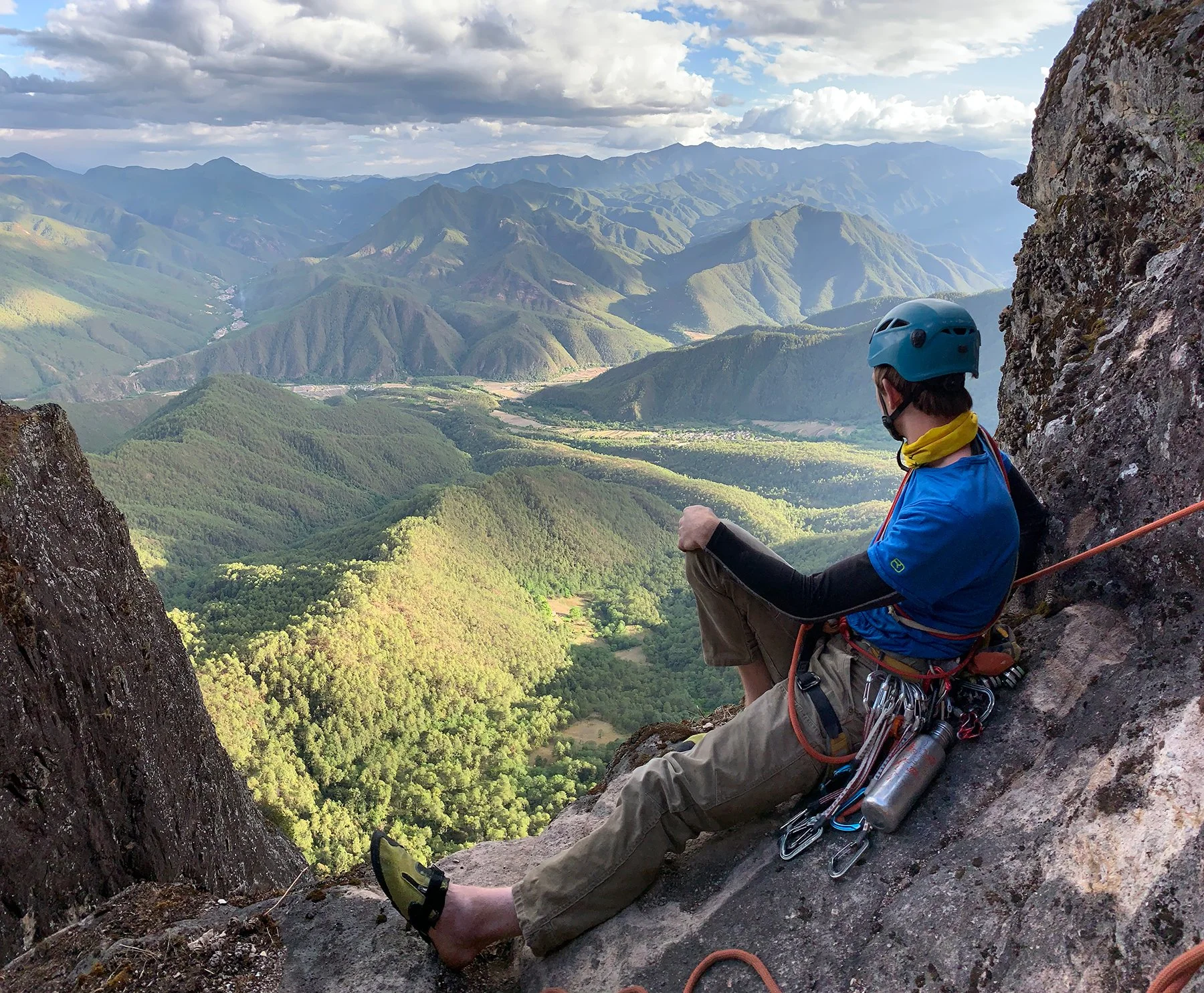
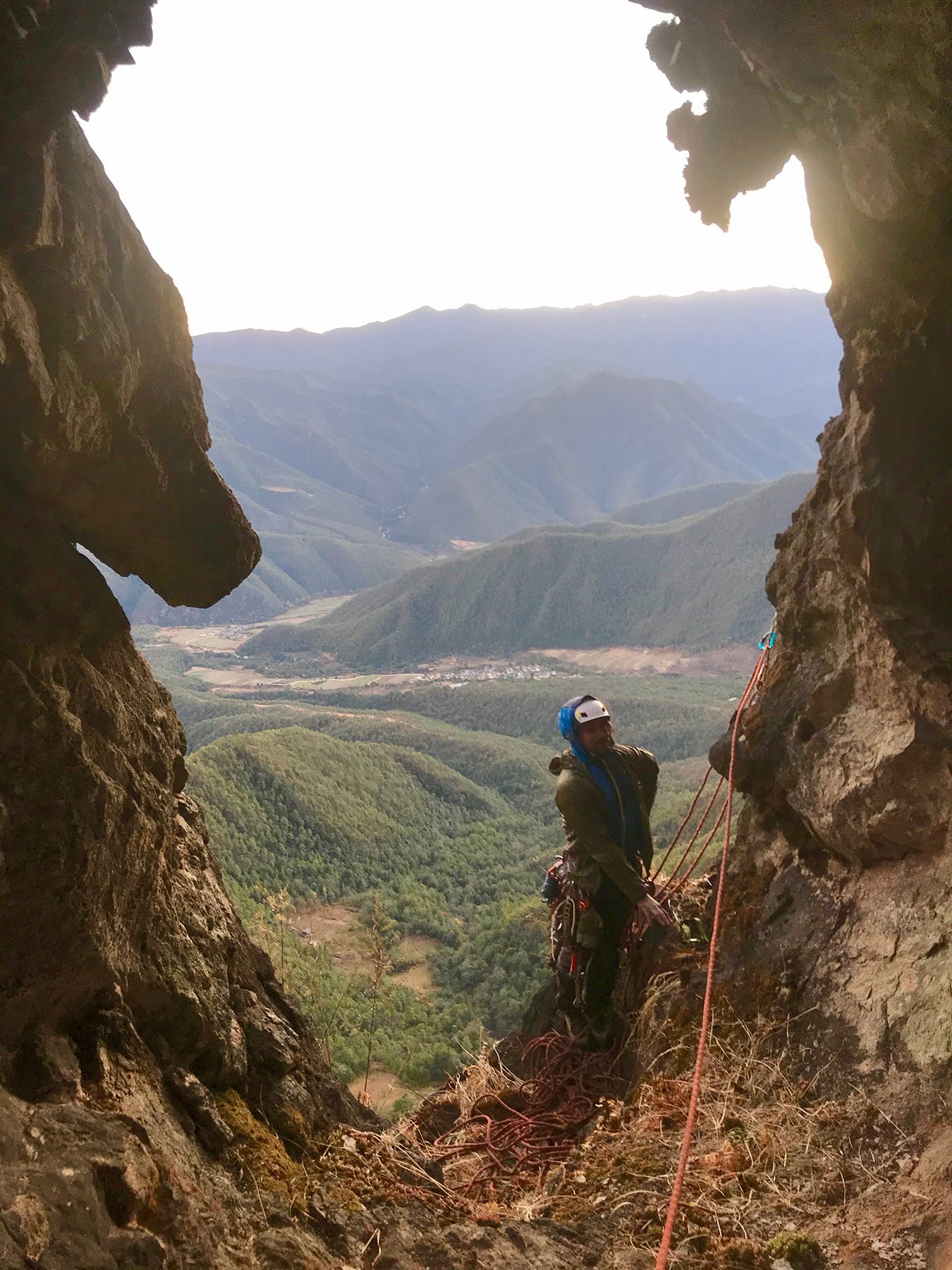
One of the early adopters of Baiyansi, Jonny Lumb, looks out from high on Allegory of the Caves, Baiyansi's longest route.
-
![]()
Dane Schellenberg midway up Allegory of the Caves during its first ascent in late 2019.
-
![]()
inside one of the granite caves high on Baiyansi
-
![]()
New ListType 1 fun with new gear: Aiden Flynn enjoys climbing the Milky Way (5.9, 15 pitches) after opening up Baiyansi's first 5.13 route.Item
-
![]()
Ryder takes one of the new packs for a spin up Alegory of the Caves in 2026.