■
BAIYANSI 30
白岩寺30
multipitch rock pack
Designed by guides.
Built for big adventures anywhere on earth.
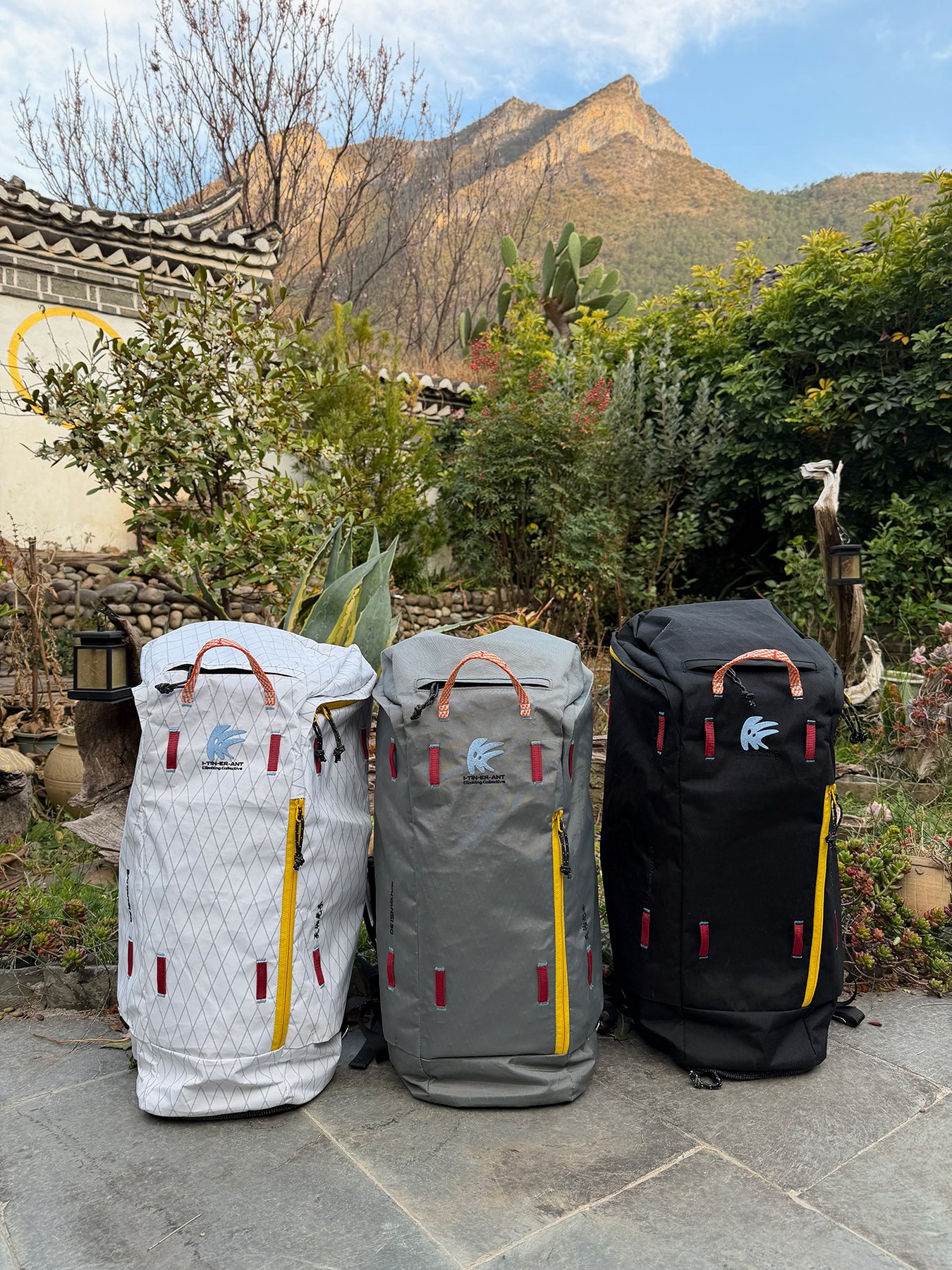
The Baiyansi 30 Lineup
Built for big multipitch rock missions.
Built for the rigors of season on season facing the toughest rock conditions.
This pack is meant to provide everything you need your pack to do for the approach in, the send of your big route, and the long trips back to the car.
Burly exterior: Exterior constructed from XPac VX42–one of the most abrasion-resistant fabrics on the market–and a Kevlar bottom panel to stand up to scraping over rock.
Versatile volume expansion: The base volume of 30 liters can quickly go up to 35+ liters with the deployment of the ninja side pockets, the rope straps, and the helmet cover. You can carry everything you need for the day on the way in without having to use a big clunky pack and stow the extra volume away for the climb!
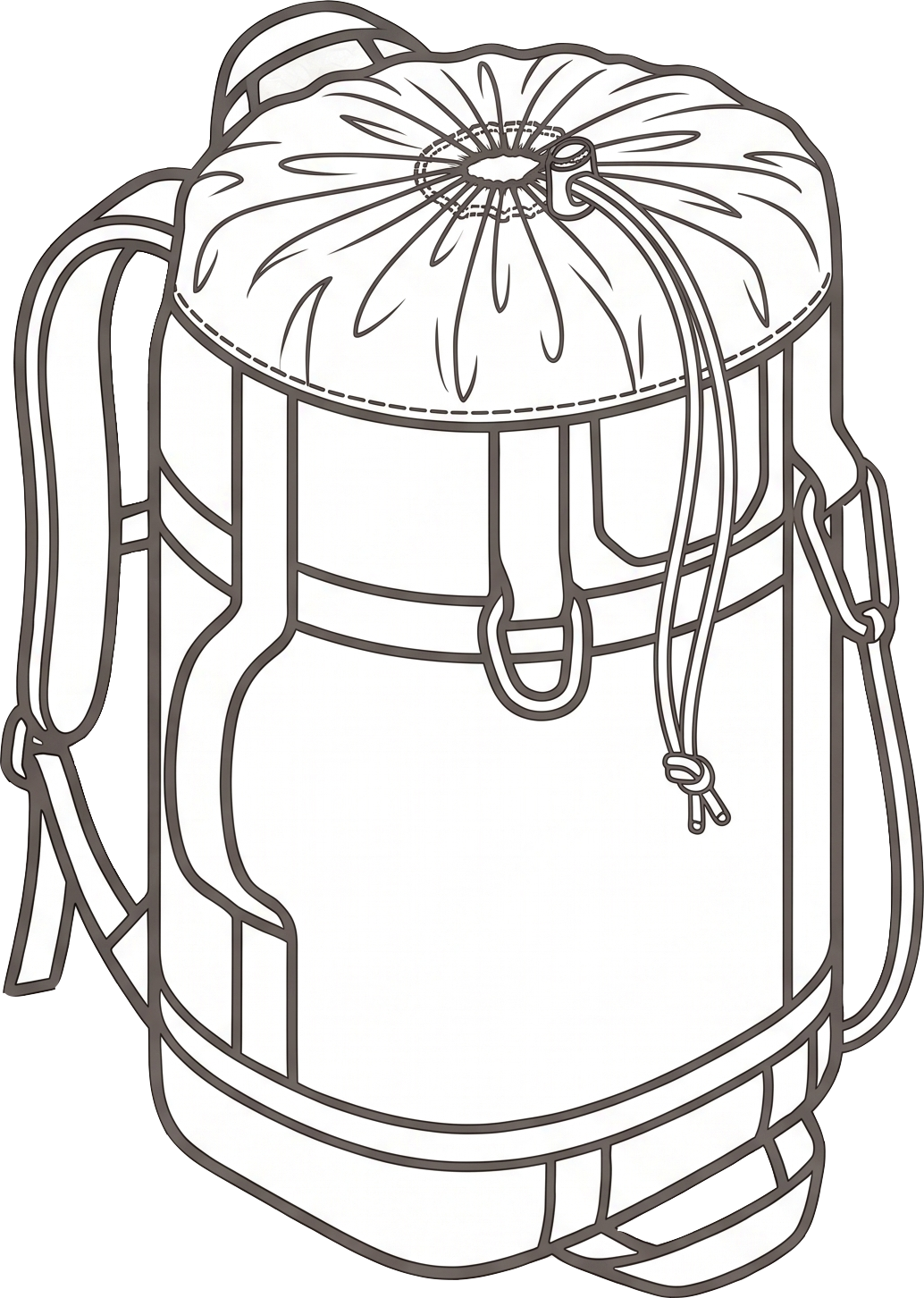
Integrated haul sack: Hidden compartment at the bottom of the bag hides a protective cover that seals up your pack for hauling up those hard pitches. It saves the main body of the pack from abrading on the rock. Haul sacks are easily replaceable as their own independent piece!
Double-duty frame sheet: Removable frame sheet in the back panel can double as a splint as part of your field first aid kit.
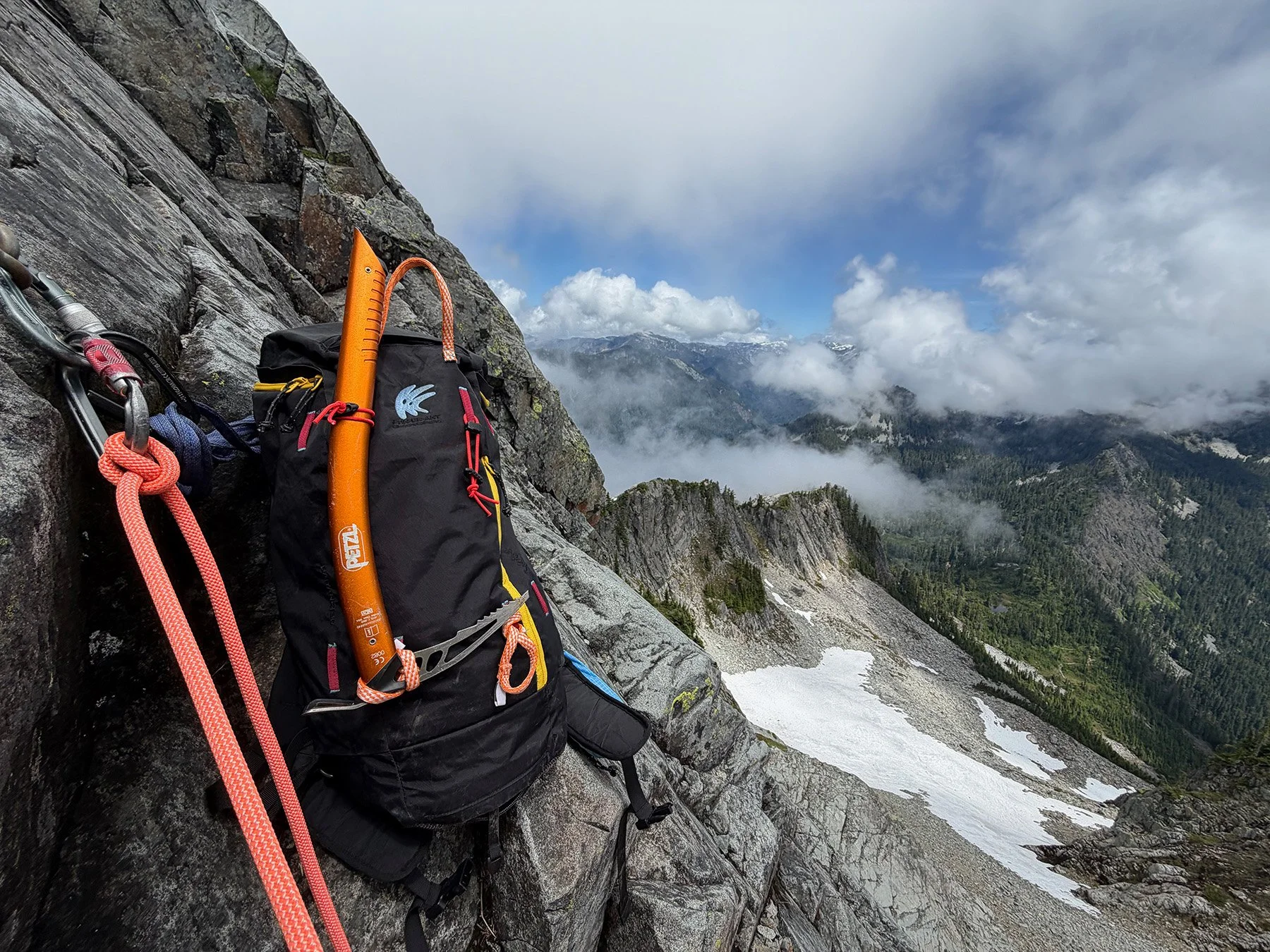
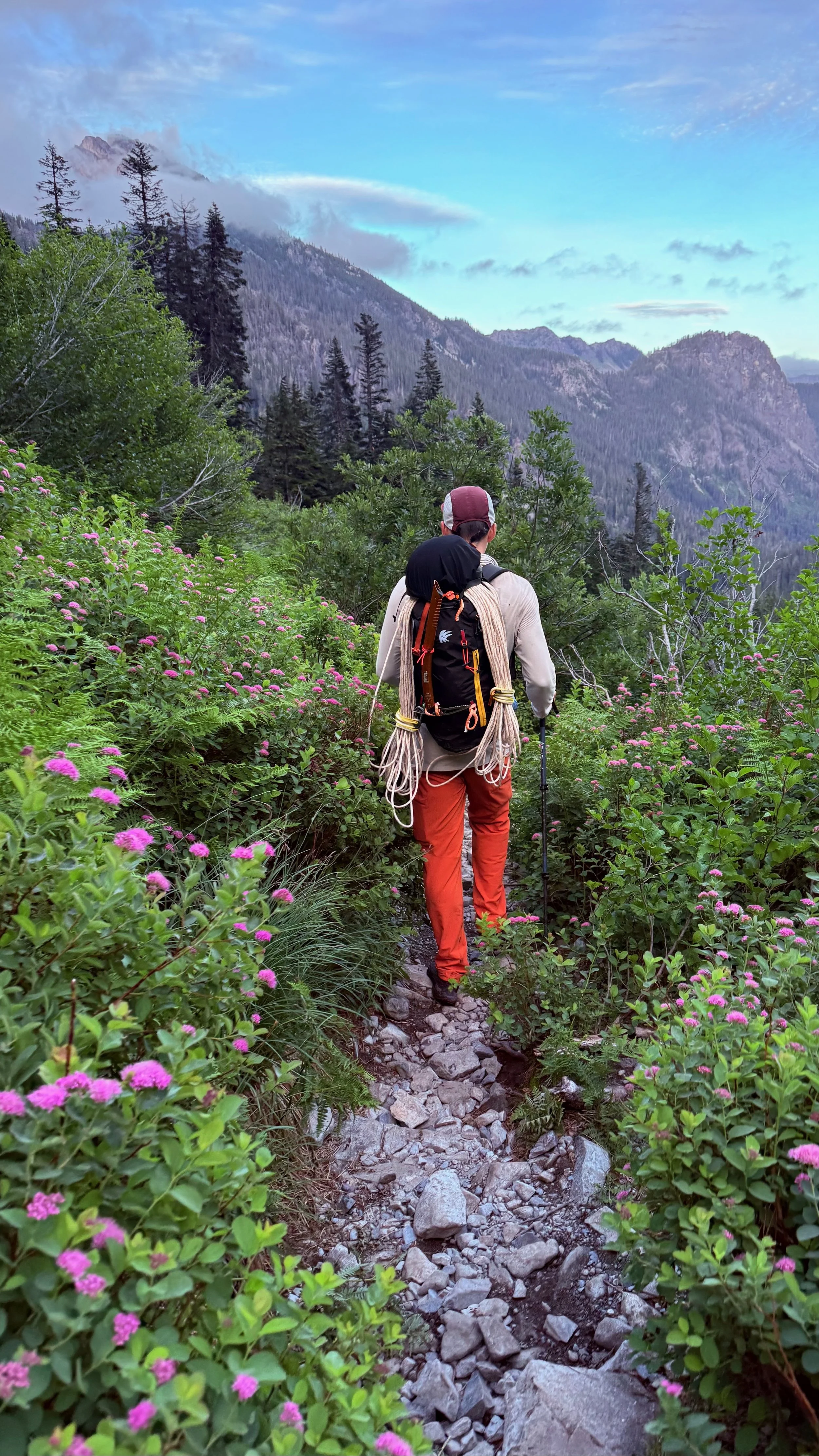
Ice axe compatible: One thing a lot of rock climbing specific packs forget is that you might have to cross some snow or ice to get to the rock! Modular ice axe loops and keeper straps allow for 1 or 2 ice axes to be strapped to the back. Crampons can easily fit in the side pockets.
Supportive, stowable hip belt: Foam hip belt provides support for the long approaches to the climb, but can fold and stow in the frame sheet pocket.
Easy-access camera and phone pocket: Need to snap a sweet photo of your friend high up on the wall! The pack has a dedicated, easy-to-access pocket on the hip belt that can fit most phones (and a few snacks, too!).
Built for big multipitch rock missions.
Built for the rigors of season on season facing the toughest rock conditions.
This pack is meant to provide everything you need your pack to do for the approach in, the send of your big route, and the long trips back to the car.
Burly exterior: Exterior constructed from XPac VX42–one of the most abrasion-resistant fabrics on the market–and a Kevlar bottom panel to stand up to scraping over rock.
Versatile volume expansion: The base volume of 30 liters can quickly go up to 35+ liters with the deployment of the ninja side pockets, the rope straps, and the helmet cover. You can carry everything you need for the day on the way in without having to use a big clunky pack and stow the extra volume away for the climb!
Integrated haul sack: Hidden compartment at the bottom of the bag hides a protective cover that seals up your pack for hauling up those hard pitches. It saves the main body of the pack from abrading on the rock. Haul sacks are easily replaceable as their own independent piece!
Double-duty frame sheet: Removable frame sheet in the back panel can double as a splint as part of your field first aid kit.
Ice axe compatible: One thing a lot of rock climbing specific packs forget is that you might have to cross some snow or ice to get to the rock! Modular ice axe loops and keeper straps allow for 1 or 2 ice axes to be strapped to the back. Crampons can easily fit in the side pockets.
Supportive, stowable hip belt: Foam hip belt provides support for the long approaches to the climb, but can fold and stow in the frame sheet pocket.
Easy-access camera and phone pocket: Need to snap a sweet photo of your friend high up on the wall! The pack has a dedicated, easy-to-access pocket on the hip belt that can fit most phones (and a few snacks, too!).
Built for big multipitch rock missions.
Built for the rigors of season on season facing the toughest rock conditions.
This pack is meant to provide everything you need your pack to do for the approach in, the send of your big route, and the long trips back to the car.
Burly exterior: Exterior constructed from XPac VX42–one of the most abrasion-resistant fabrics on the market–and a Kevlar bottom panel to stand up to scraping over rock.
Versatile volume expansion: The base volume of 30 liters can quickly go up to 35+ liters with the deployment of the ninja side pockets, the rope straps, and the helmet cover. You can carry everything you need for the day on the way in without having to use a big clunky pack and stow the extra volume away for the climb!
Integrated haul sack: Hidden compartment at the bottom of the bag hides a protective cover that seals up your pack for hauling up those hard pitches. It saves the main body of the pack from abrading on the rock. Haul sacks are easily replaceable as their own independent piece!
Double-duty frame sheet: Removable frame sheet in the back panel can double as a splint as part of your field first aid kit.
Ice axe compatible: One thing a lot of rock climbing specific packs forget is that you might have to cross some snow or ice to get to the rock! Modular ice axe loops and keeper straps allow for 1 or 2 ice axes to be strapped to the back. Crampons can easily fit in the side pockets.
Supportive, stowable hip belt: Foam hip belt provides support for the long approaches to the climb, but can fold and stow in the frame sheet pocket.
Easy-access camera and phone pocket: Need to snap a sweet photo of your friend high up on the wall! The pack has a dedicated, easy-to-access pocket on the hip belt that can fit most phones (and a few snacks, too!).
■
What’s In a Name?
Itinerant tradesman were revered craftsman of the old world. When they started to excel in their craft at a young age, they would begin traveling to the workshops of various masters to hone their skills. They practiced everything from carpentry to painting, from sculpture to metal smithing.
They themselves did not have a home or a shop. Instead, they traveled far and wide in pursuit of elevating their craft, bringing with them just their skills and their tools. Those tools had to be able to hold up to years of travel and use if they wanted to prove to those masters that they were truly skilled artisans who deserved a place in their workshops. Climbers and guides follow in the same tradition, just in a different venue.
Guides and Climbers: The Modern Itinerant Craftsman
Modern climbers and guides work in a very similar style to the artisans of old.
They travel to and from the mountains, often forgoing the comforts of home in order to live in their cars and spend as much time outside as possible. They hone their skills on steep walls and rugged mountain ridges, and they need tools that can match the terrain. Guides oftentimes have to commute across entire countries as they seek out work and mentorship from the master artisans of their craft.
Their gear needs to live in that terrain for months or years on end. The current gear landscape is full of choices that prioritize lifestyle over function. They have lost connection to their roots that emphasized ruggedness, durability, and reliability.
Itinerant Climbers Collective makes gear that reconnects climbing to its original animating principles, designed by the very people go out and trust their lives to it.
The Baiyansi 30 is our inaugural project that brings this philosophy to life.
The Baiyansi 30 Build

Ultra-durable Exterior Fabrics
The pack is built from XPac VX42 and a Kevlar bottom panel, two of the most durable pack fabrics on the market. The pack is meant to take season-on-season of abuse through all sorts of rock climbs and still have the stamina to get you to the top of your objective.

Versatile, Transforming Pack Volume
While the Baiyansi 30 starts at 30 liters, it hides more storage! Ninja pockets unfold from hidden side pockets to expand to 35+ liters to carry all you need for the approach to your objective. They can stow away neatly without bulk to transform the pack into a trim climbing pack.
Hidden Haul Bag
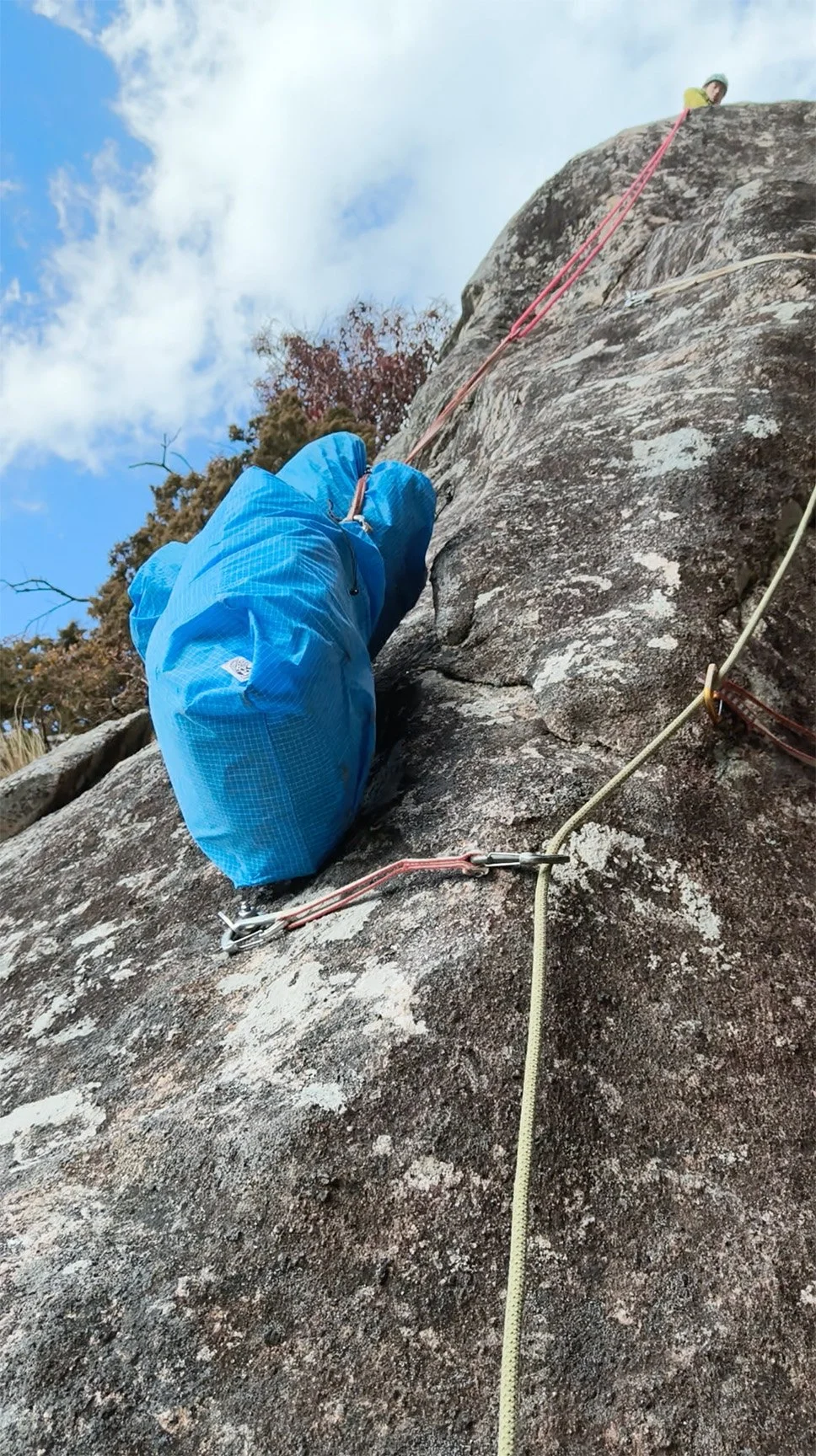
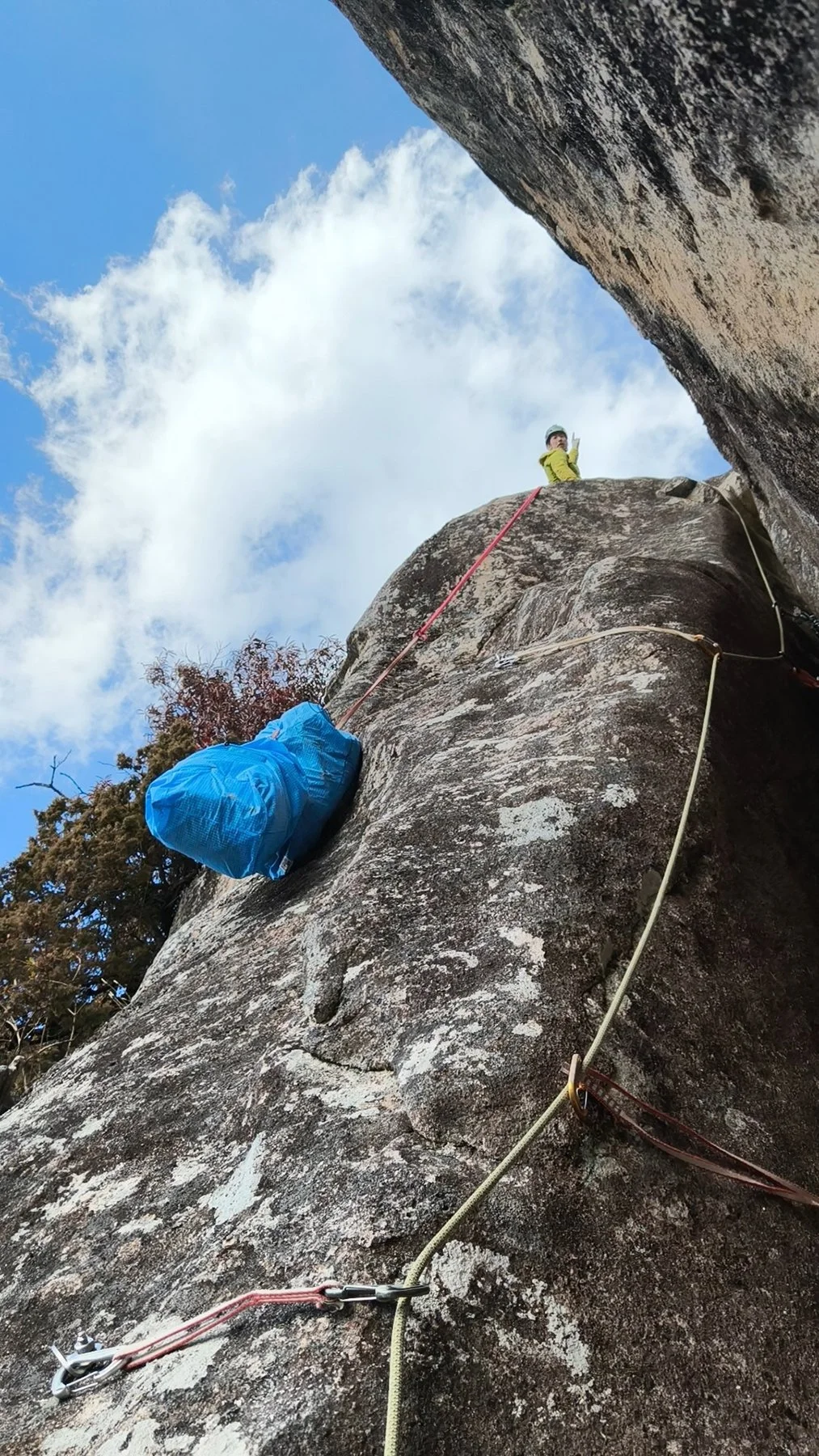
Hidden in the bottom compartment of the pack is a ripstop Nylon-Dyneema hybrid haul bag. The bag envelops the entire pack if you ever have to haul the pack up behind you on a hard pitch, saving wear on the bag and extending its lifespan.
The haul bag is also modular and removable. It can be replaced if it ever wears out or breaks!

Thoughtful Features, Modular Design
The pack is loaded with features that all have purpose when you are in the field.
Whether it is the back panel that can double as a splint in your first aid kit, the rope carry system, ice axe loops, the helmet cover, or the 2-way opening lid pocket, the design of every feature on the pack comes from lived experience out on the wall!
See the Pack in Action !
-
![]()
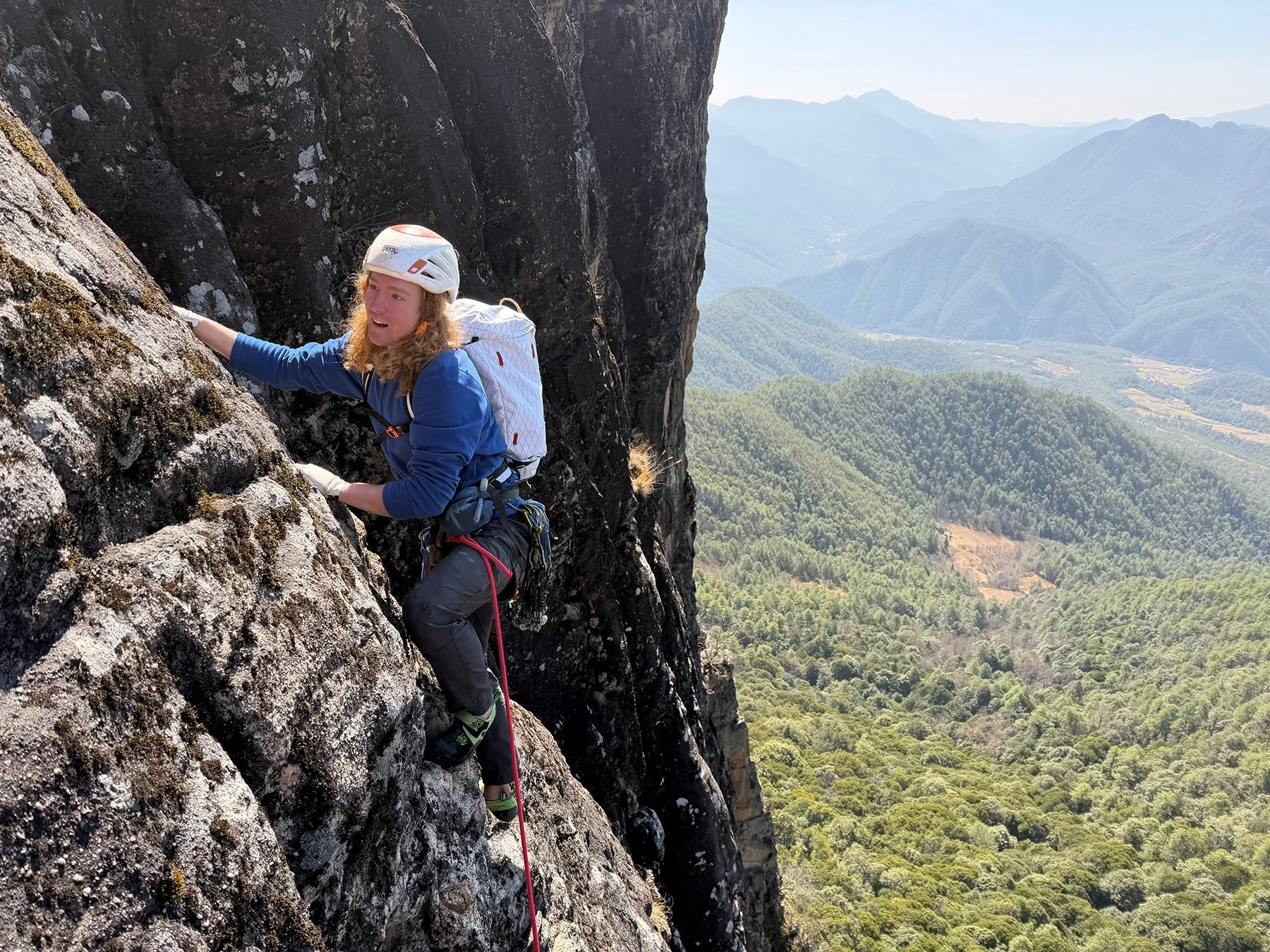
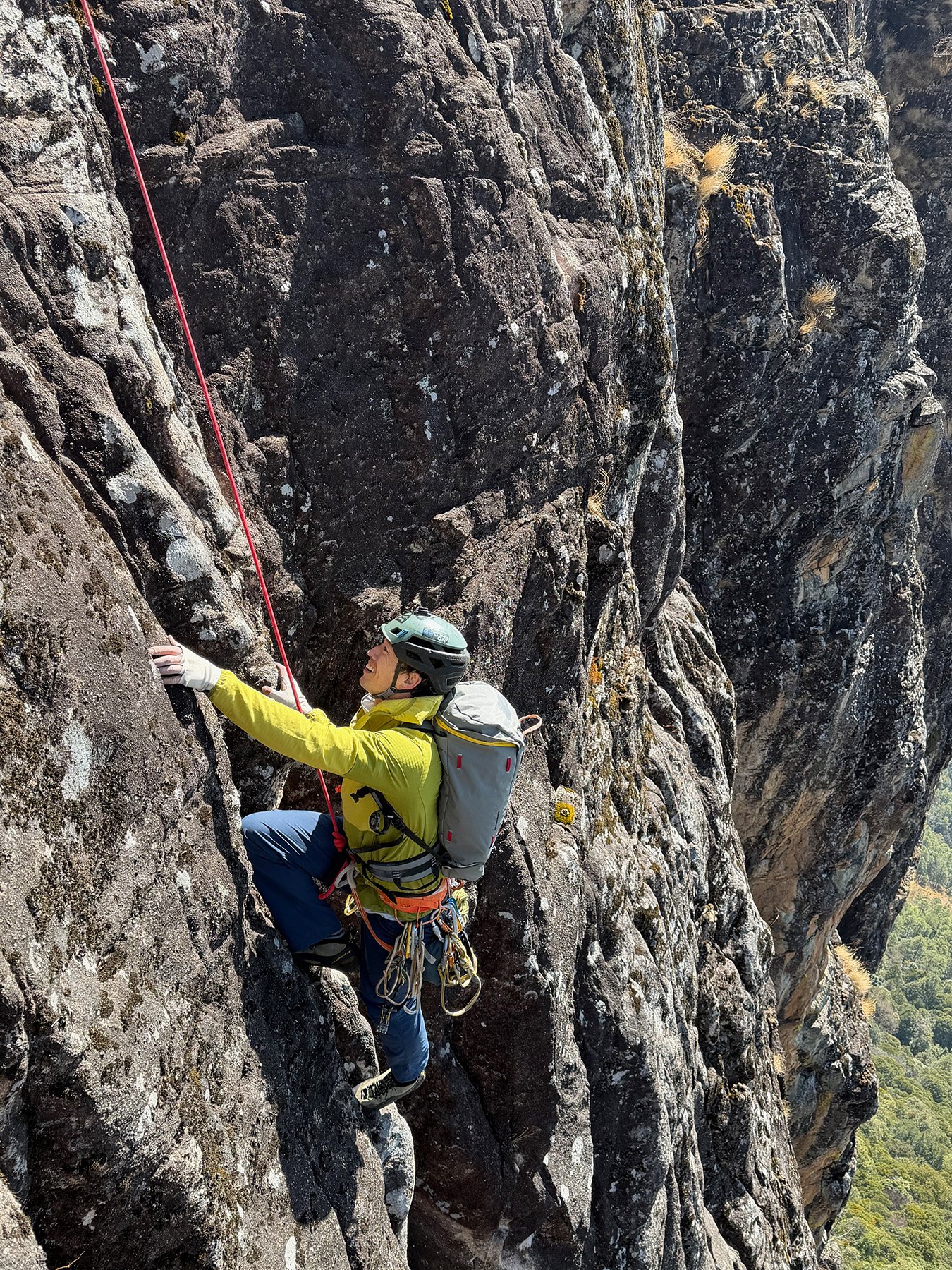
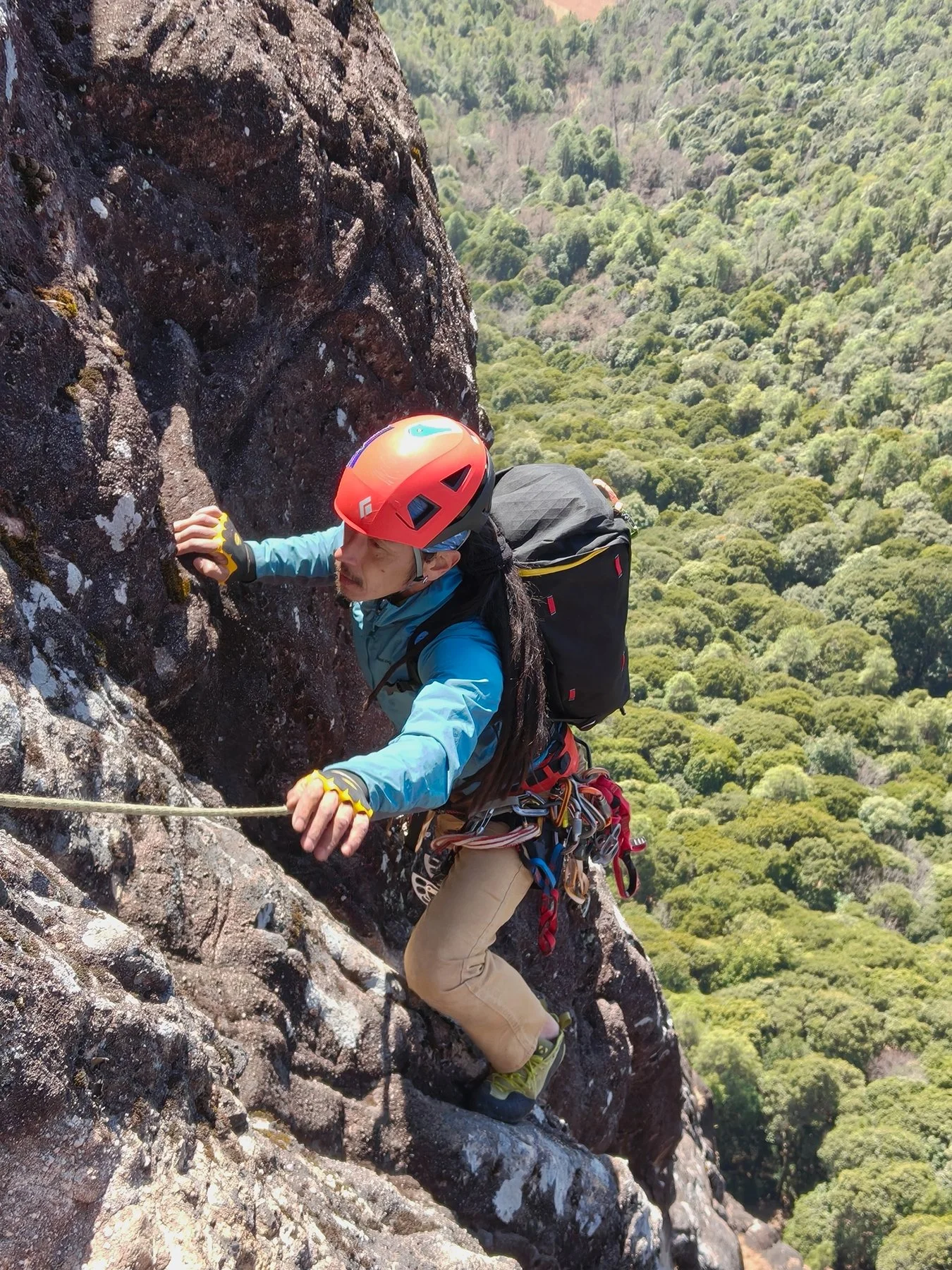
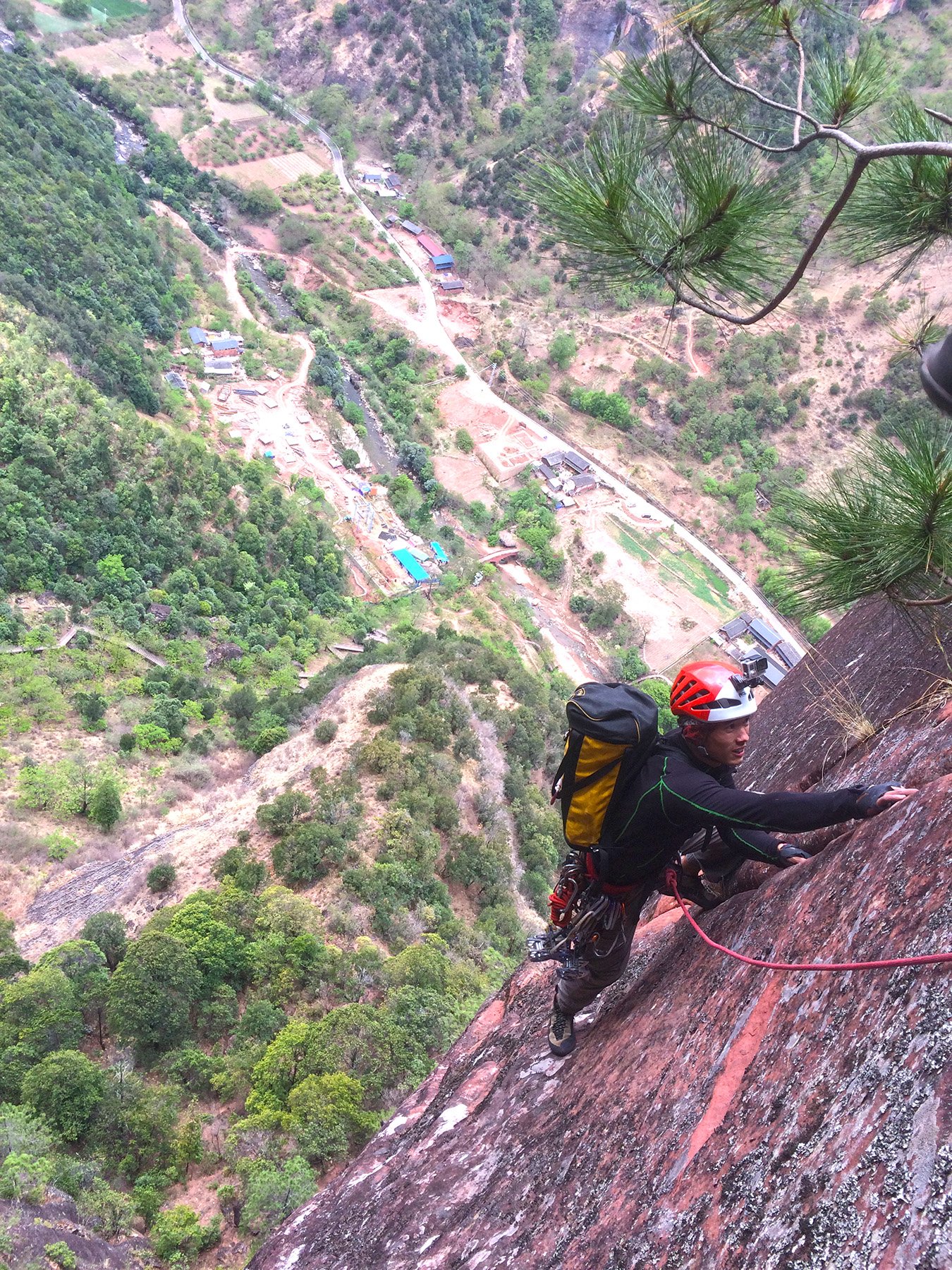
Aiden Flynn taking the pack for a spin during a Type 1 Fun kind of day on The Milky Way (5.9, 15 pitches) at Baiyansi.
-
![]()
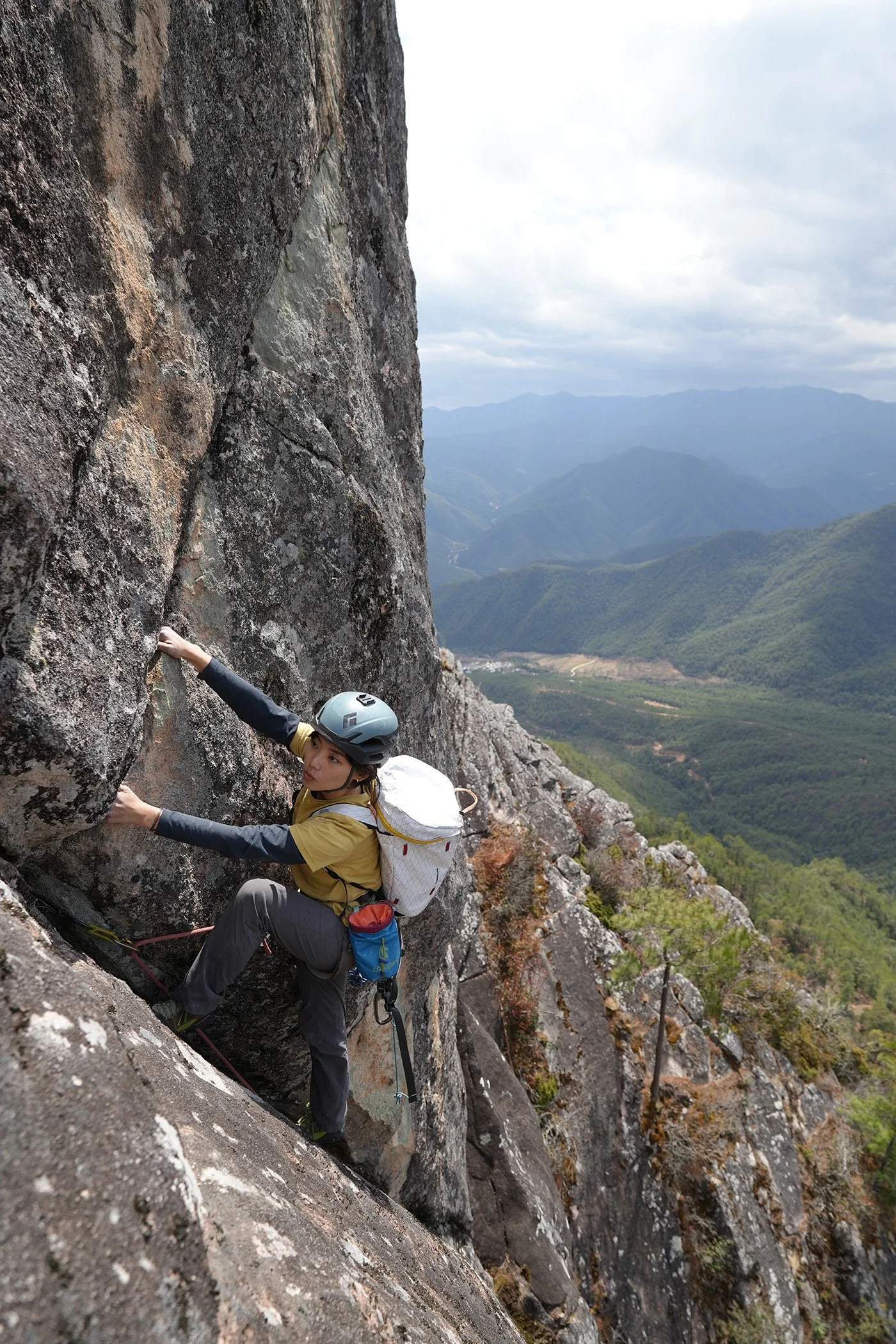
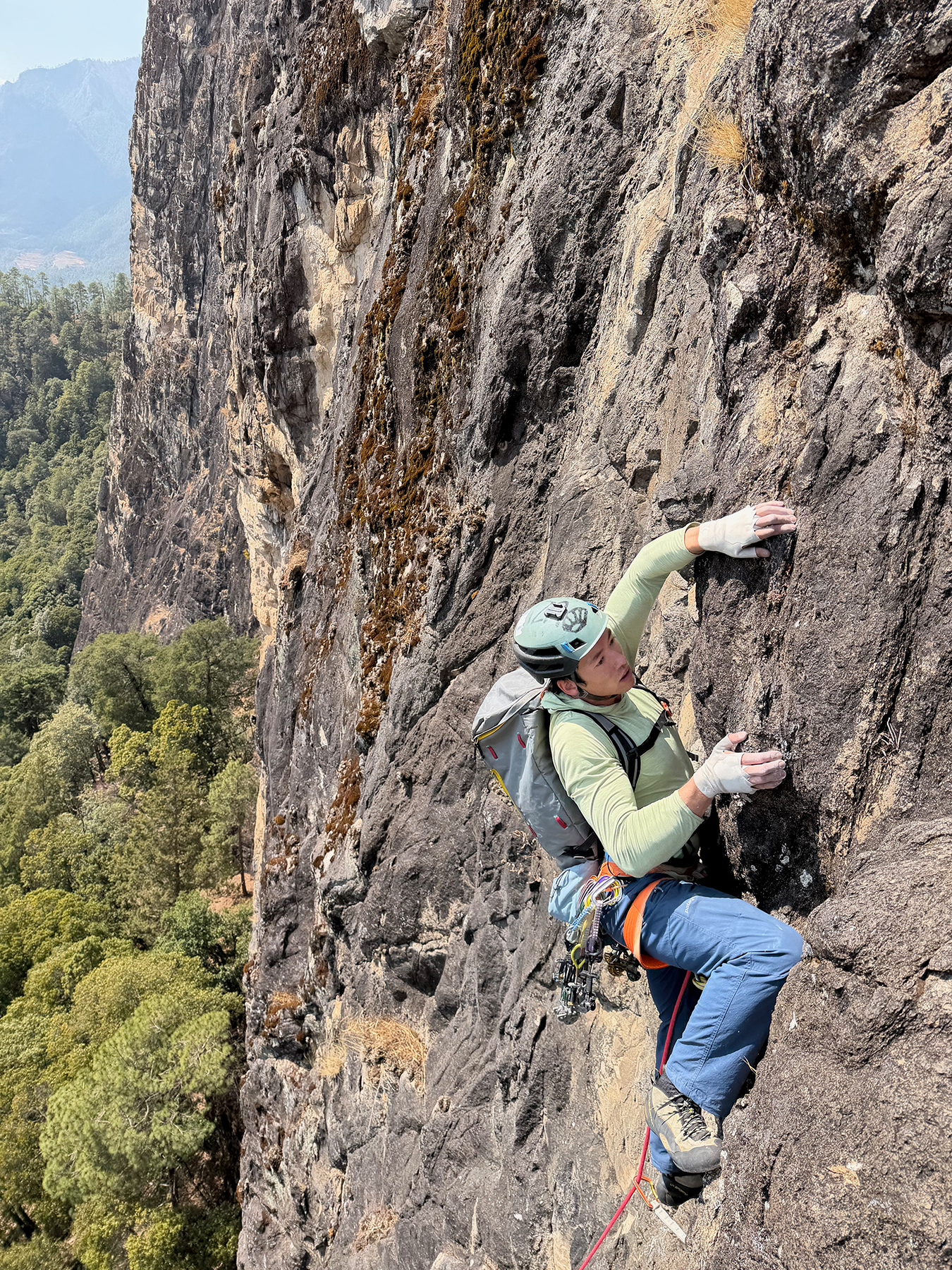
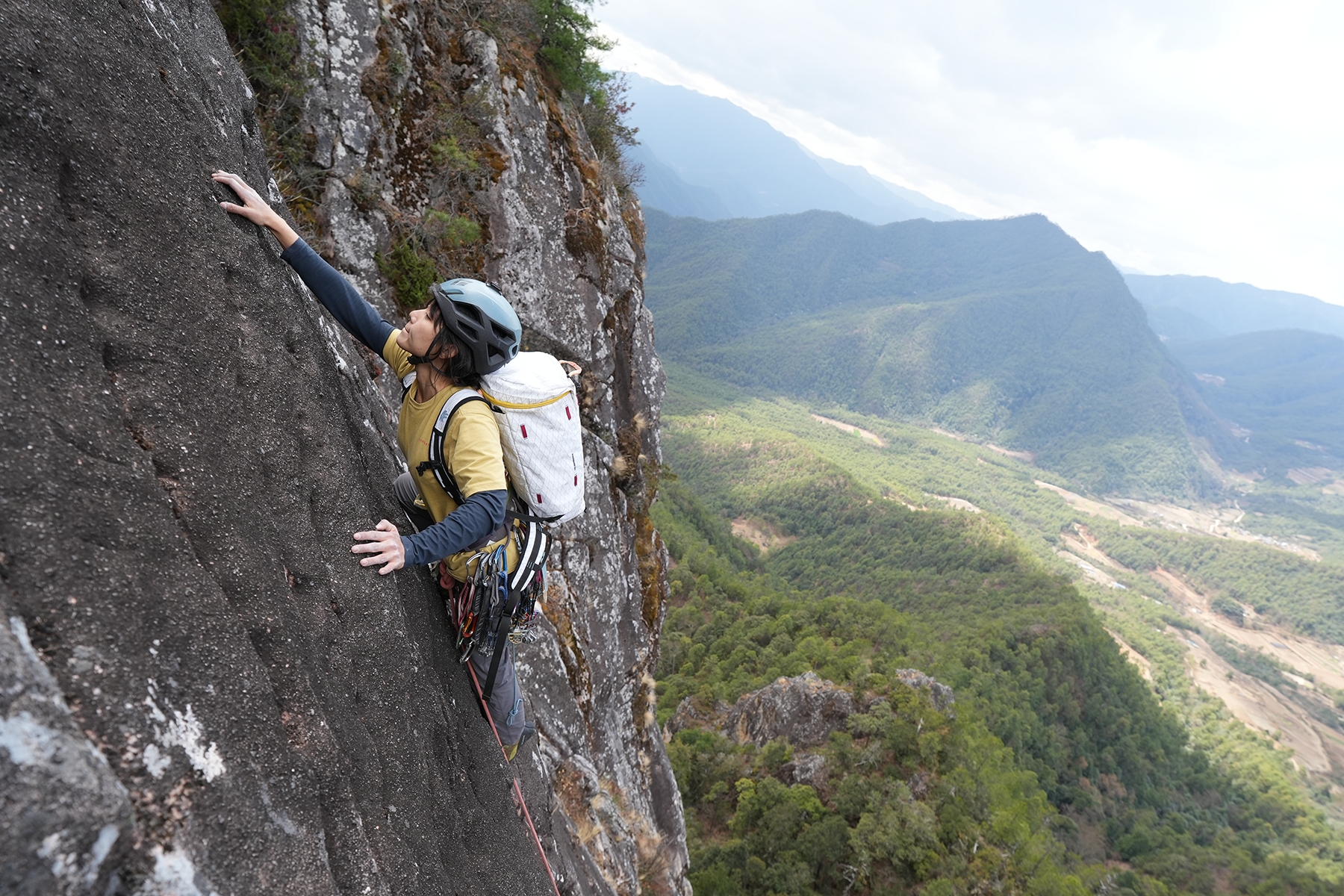
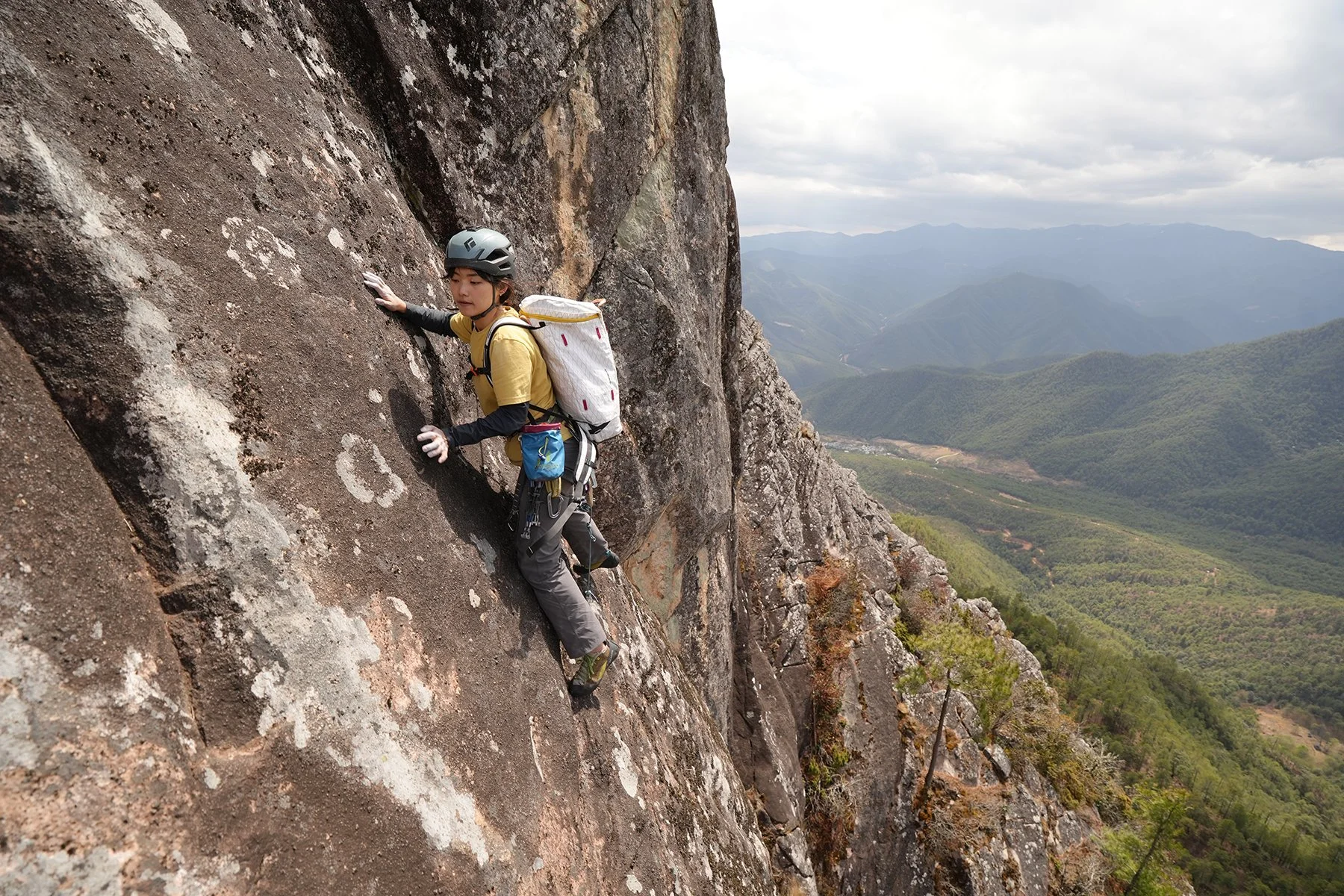
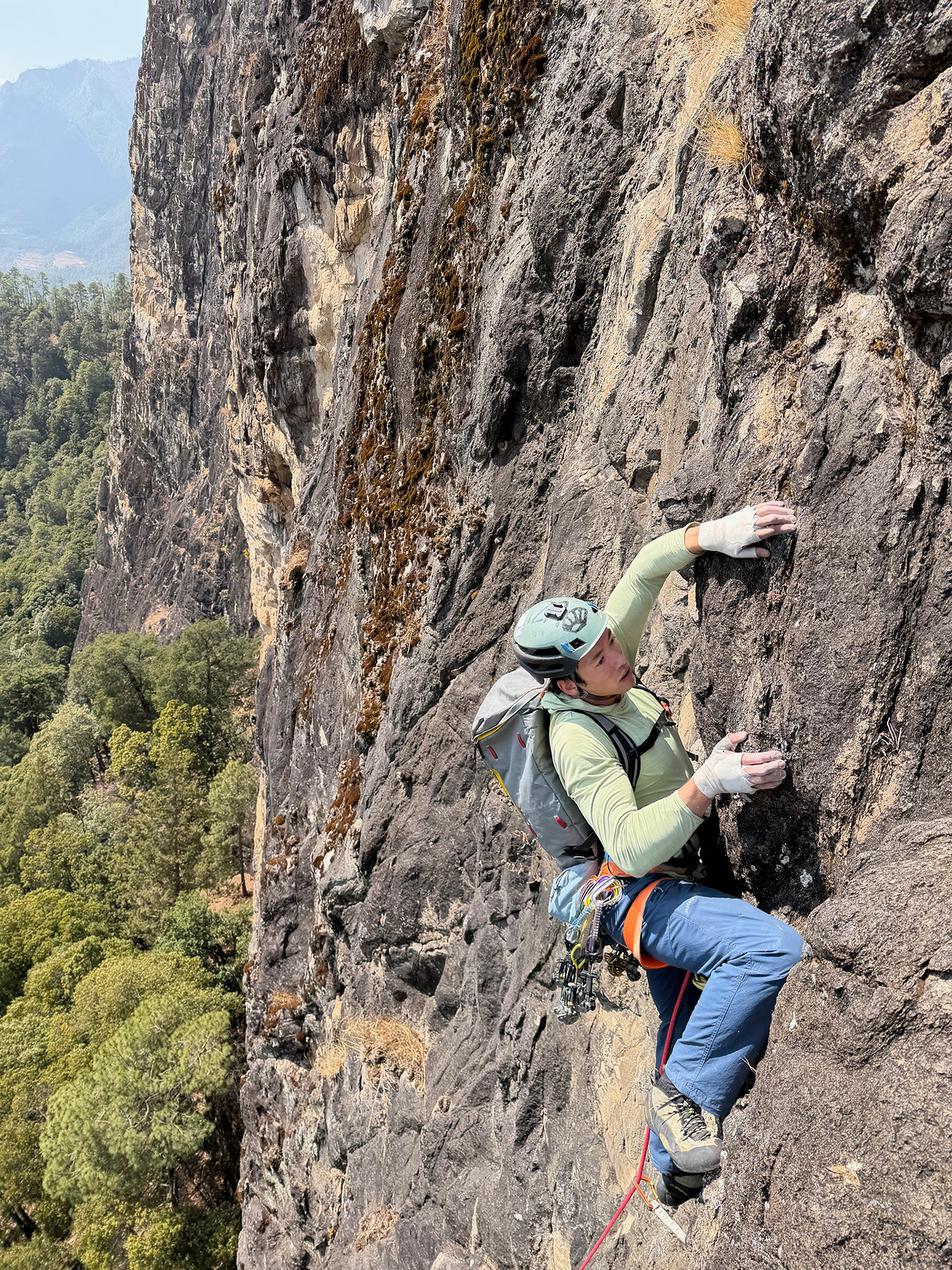
Yoonseo Cho sending during her and her team's first ascent of Eat Your Index Finger for Breakfast (5.10+, 5 pitches) at Baiyansi, Yunnan Province, China.
-
![]()
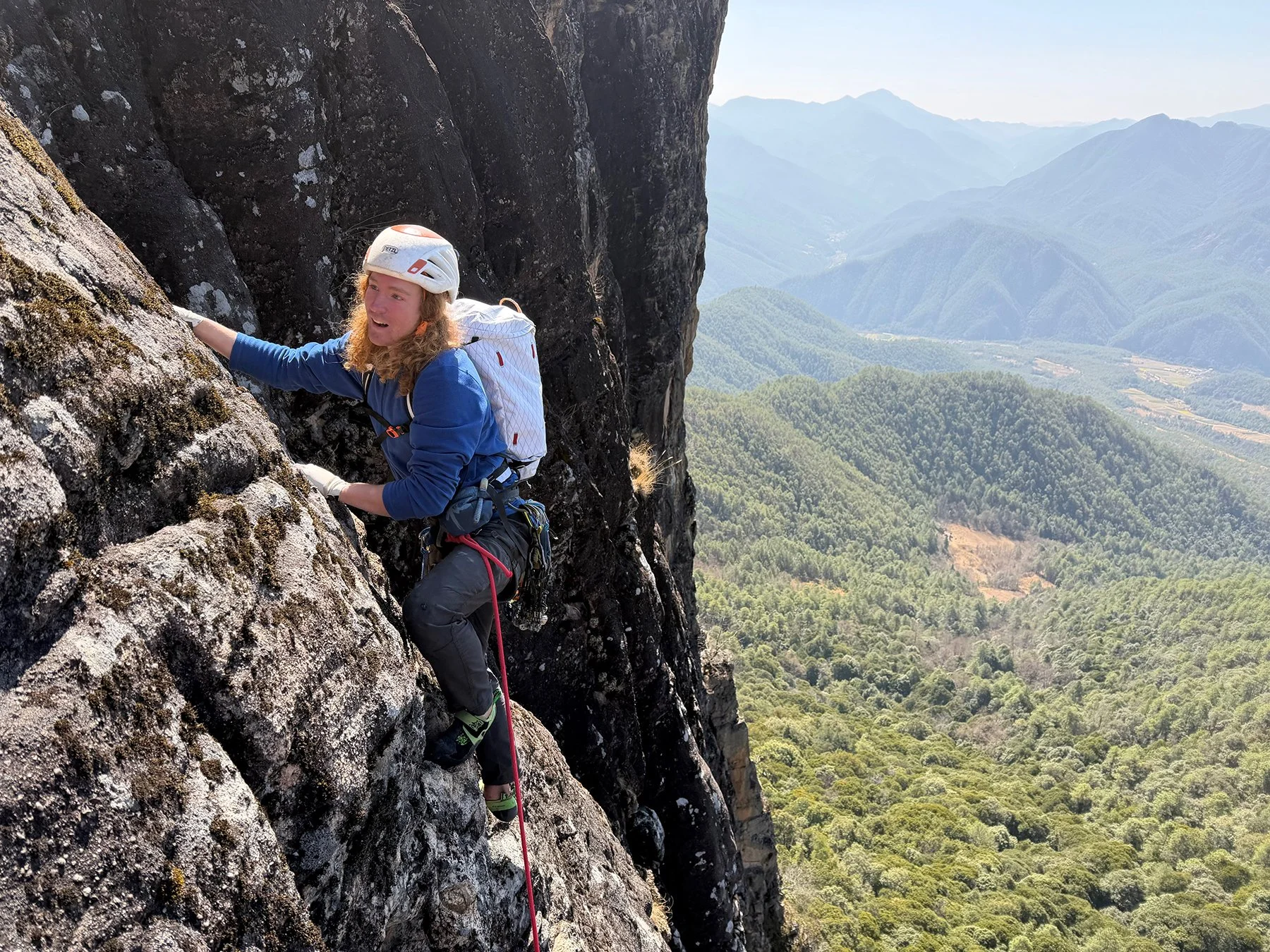
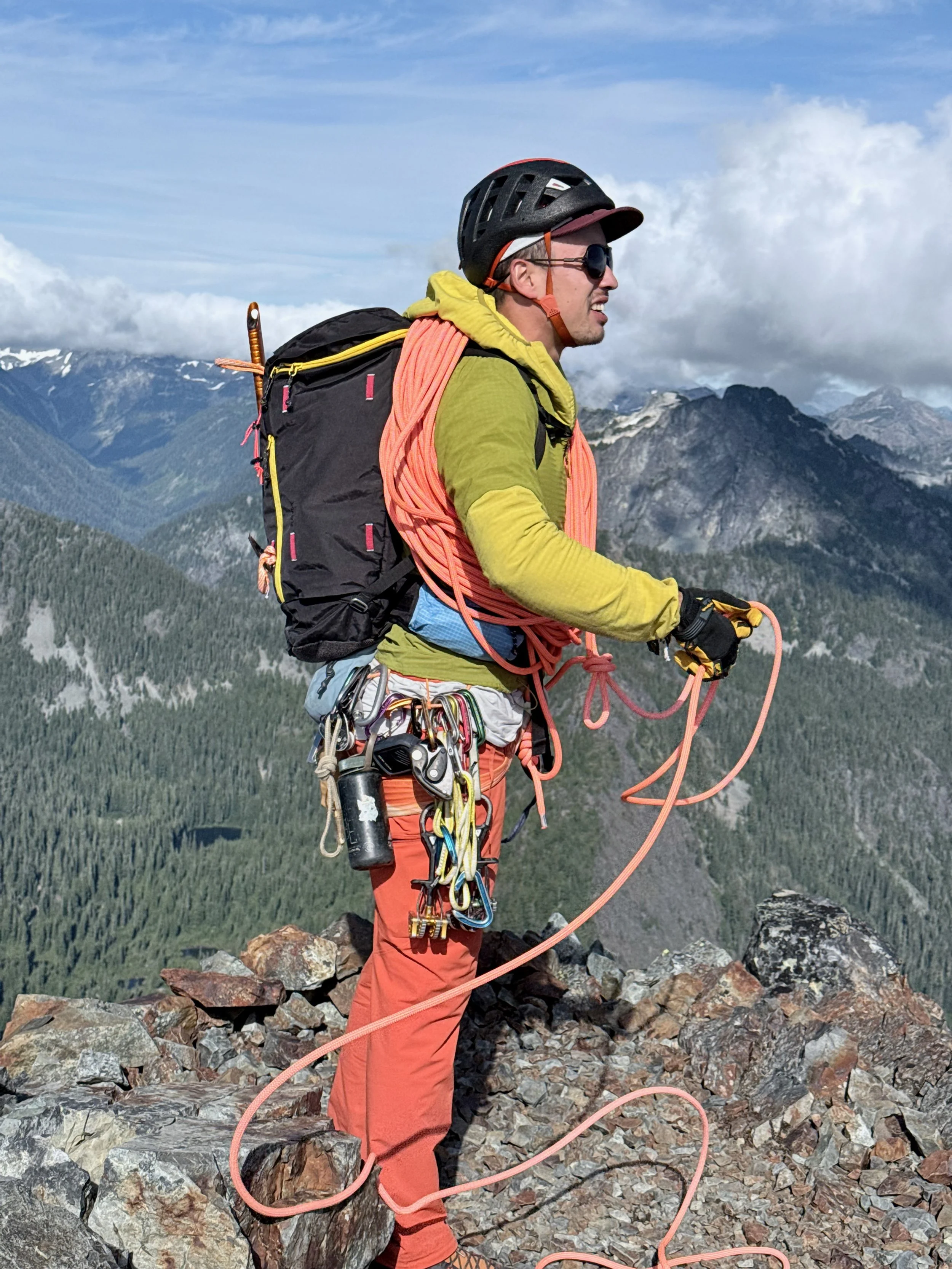
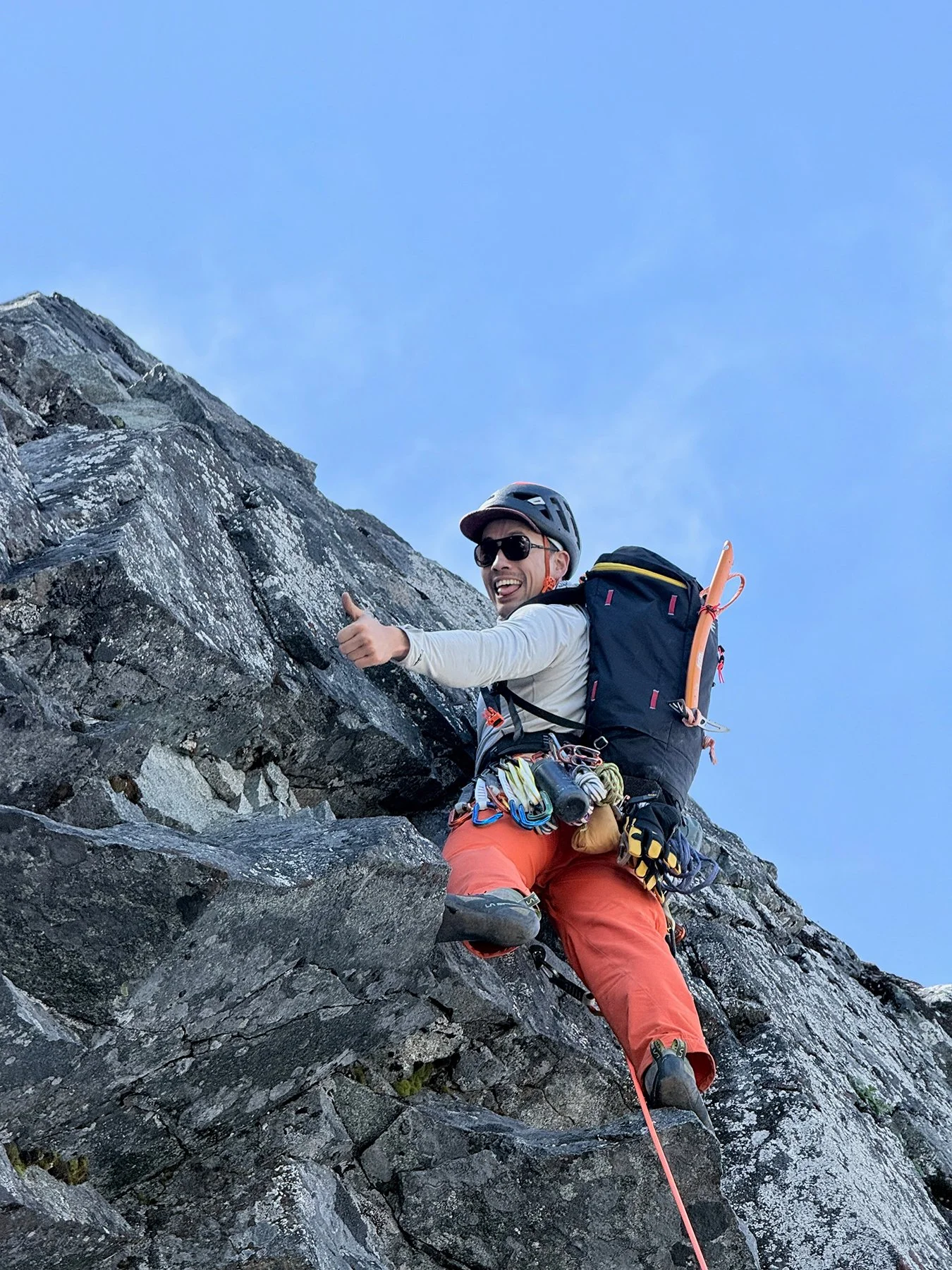
Founder Ryder Stroud is all smiles taking the pack for a spin on The Milky Way (5.9, 15 pitches), a route he established years ago with his longtime climbing partner Dane Schellenberg.
-
![]()
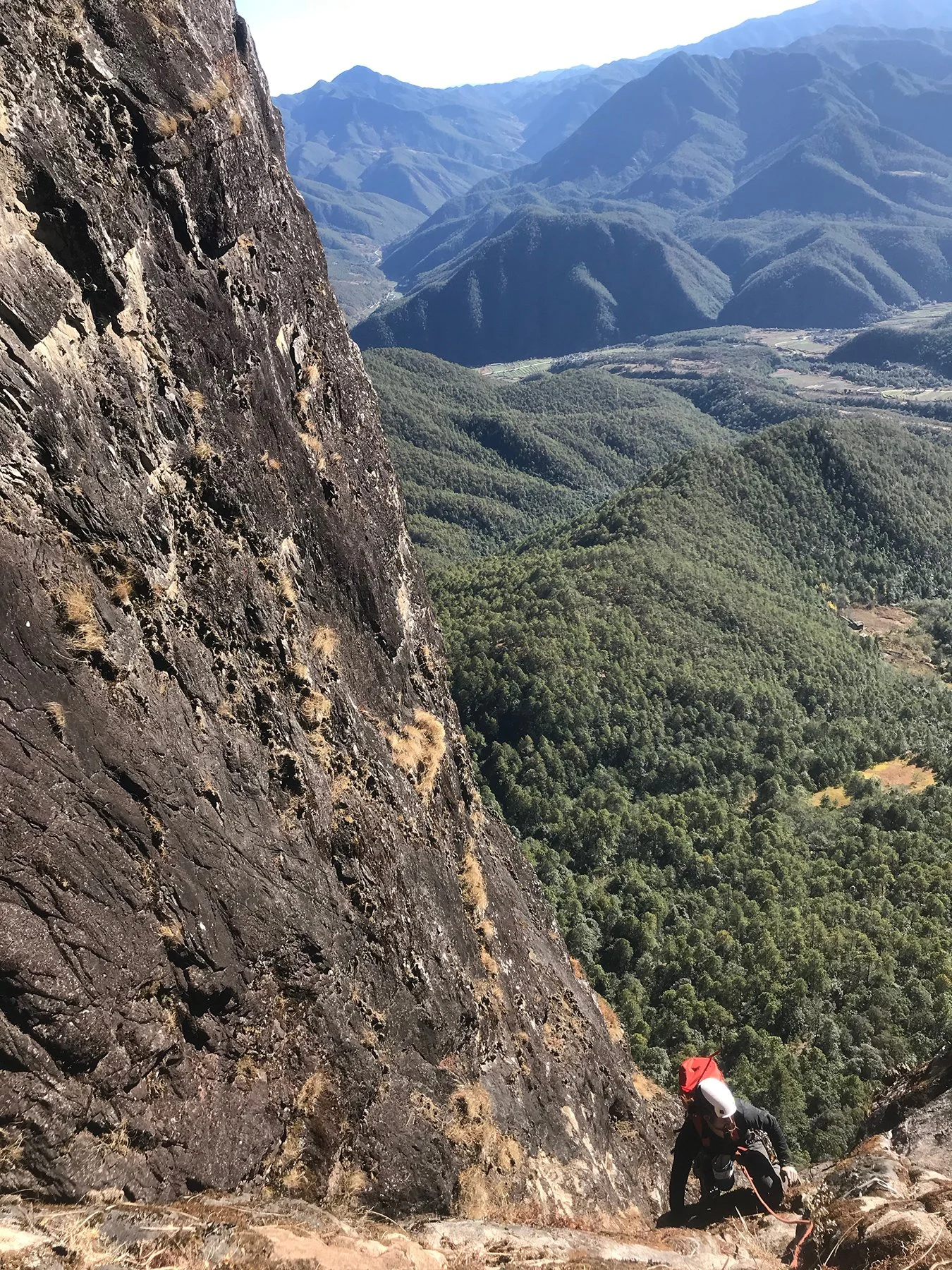
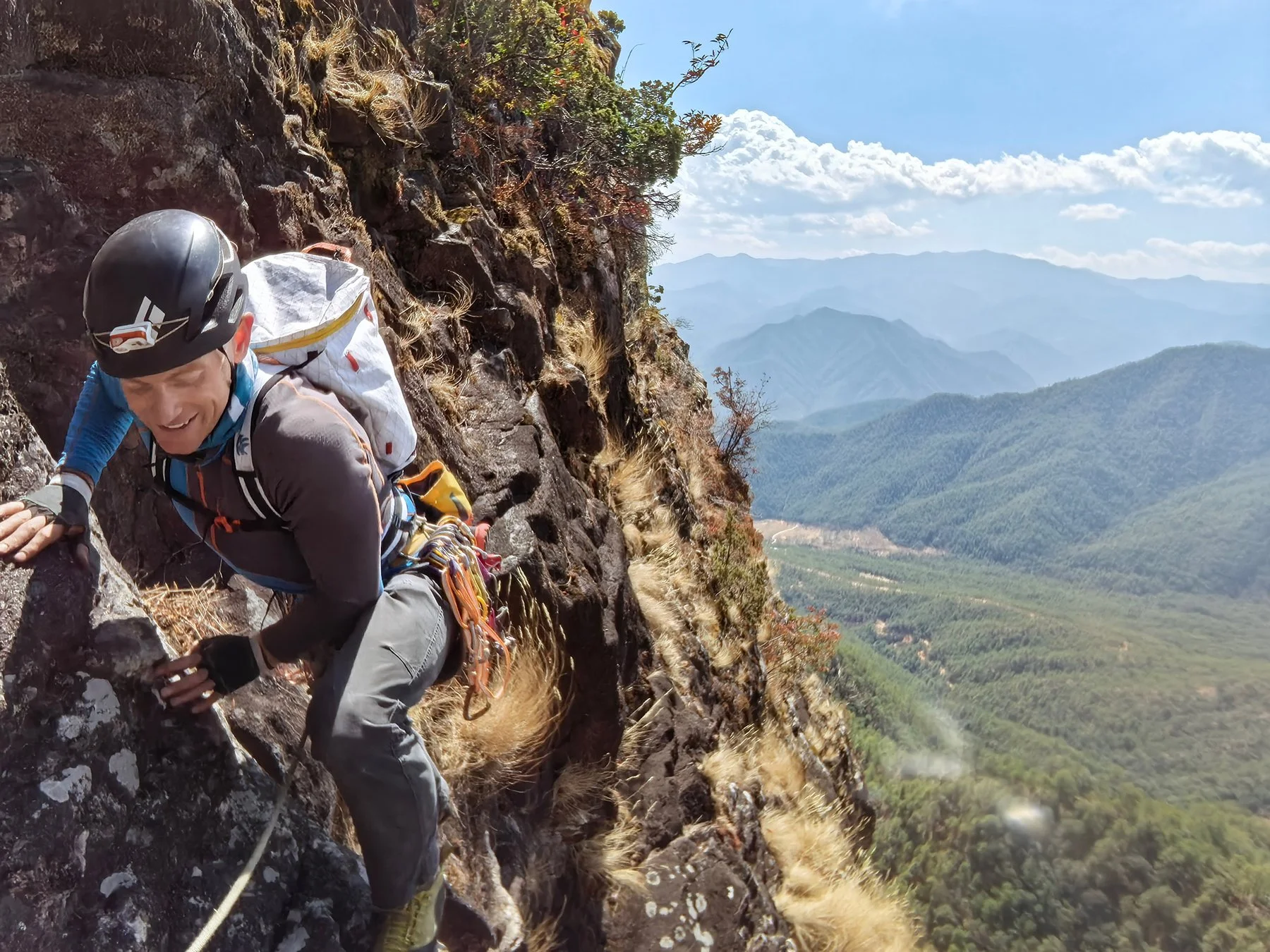
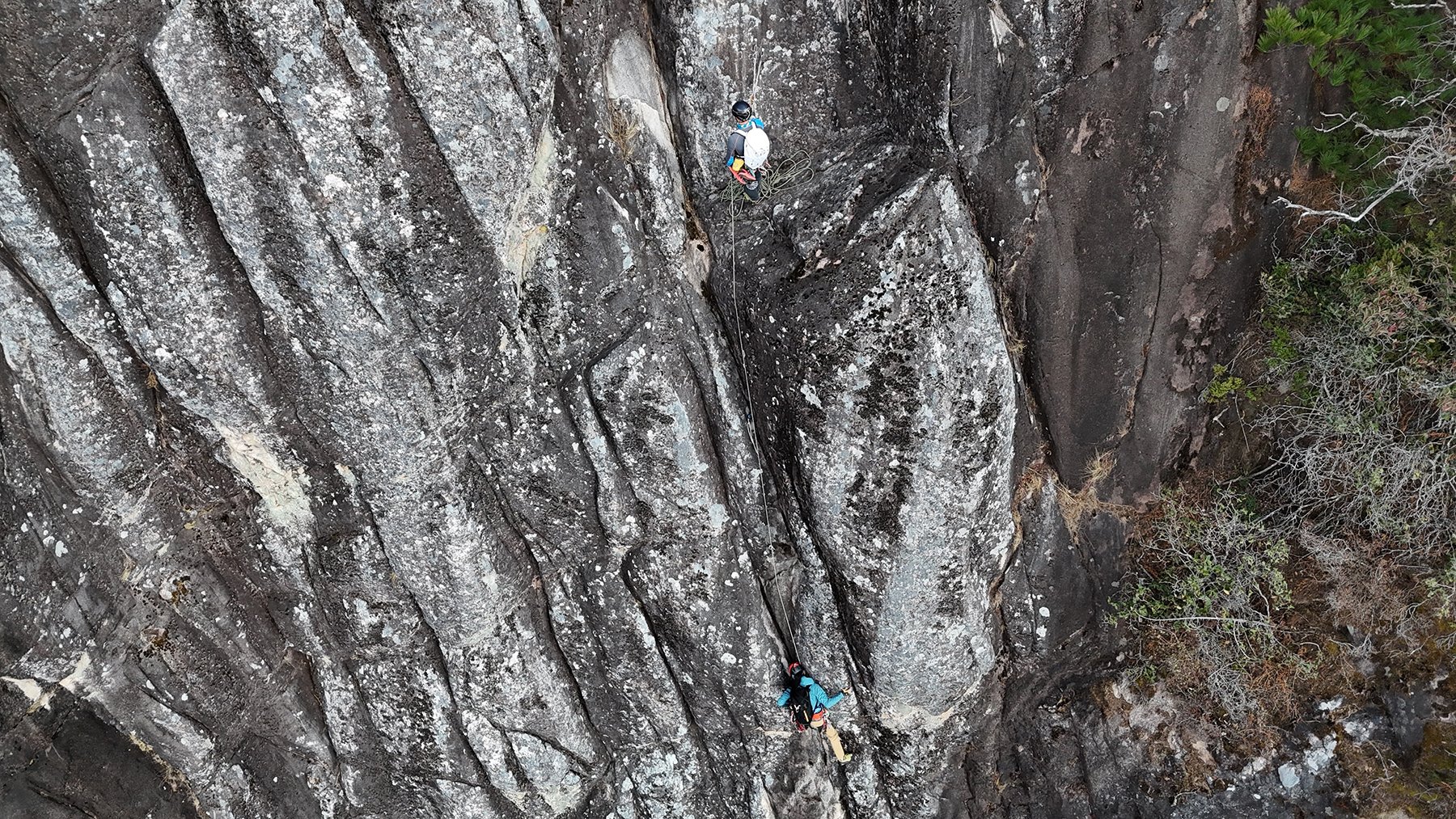
Jonny Lumb follows high up on Baiyansi.
-
![]()
One of the many hidden features of the pack: "haul mode" features a bag that envelops the backpack to protect it from the rigors of being hauled up hard or awkward pitches.
-
![]()
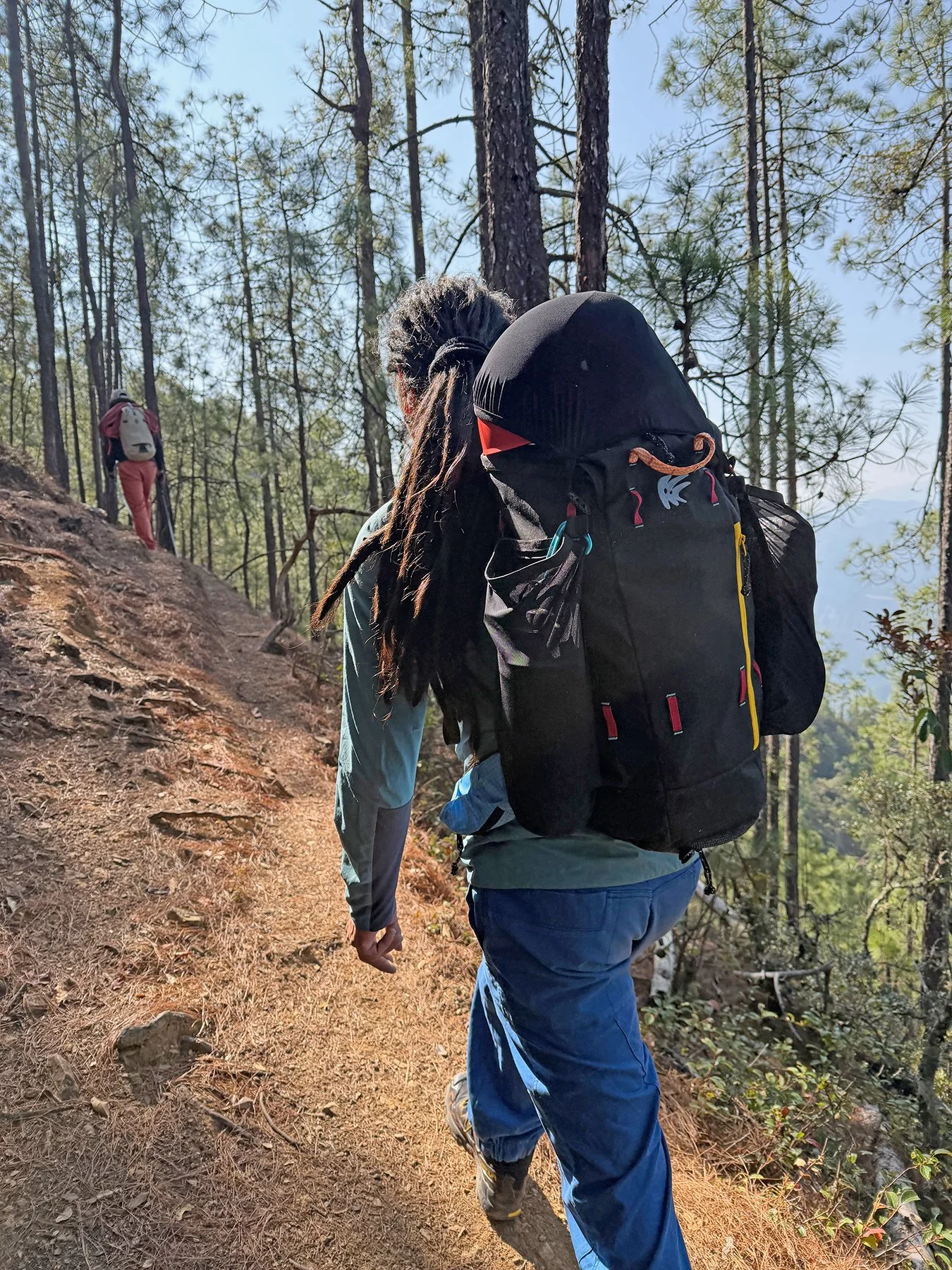
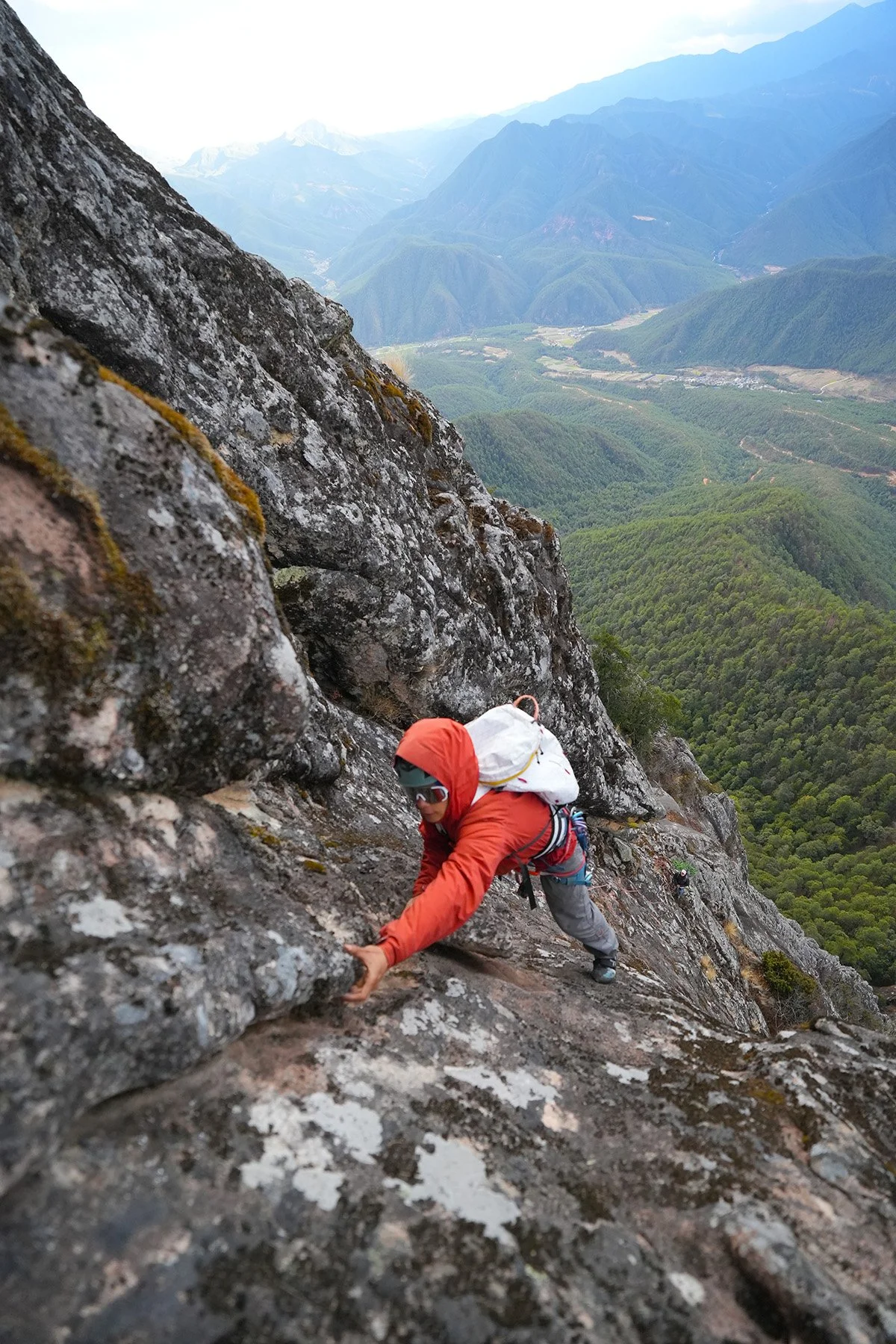
One of China's pioneering trad climbers, Zhoulei, tests out a pack during an ascent on Baiyansi in early 2026.
-
![]()
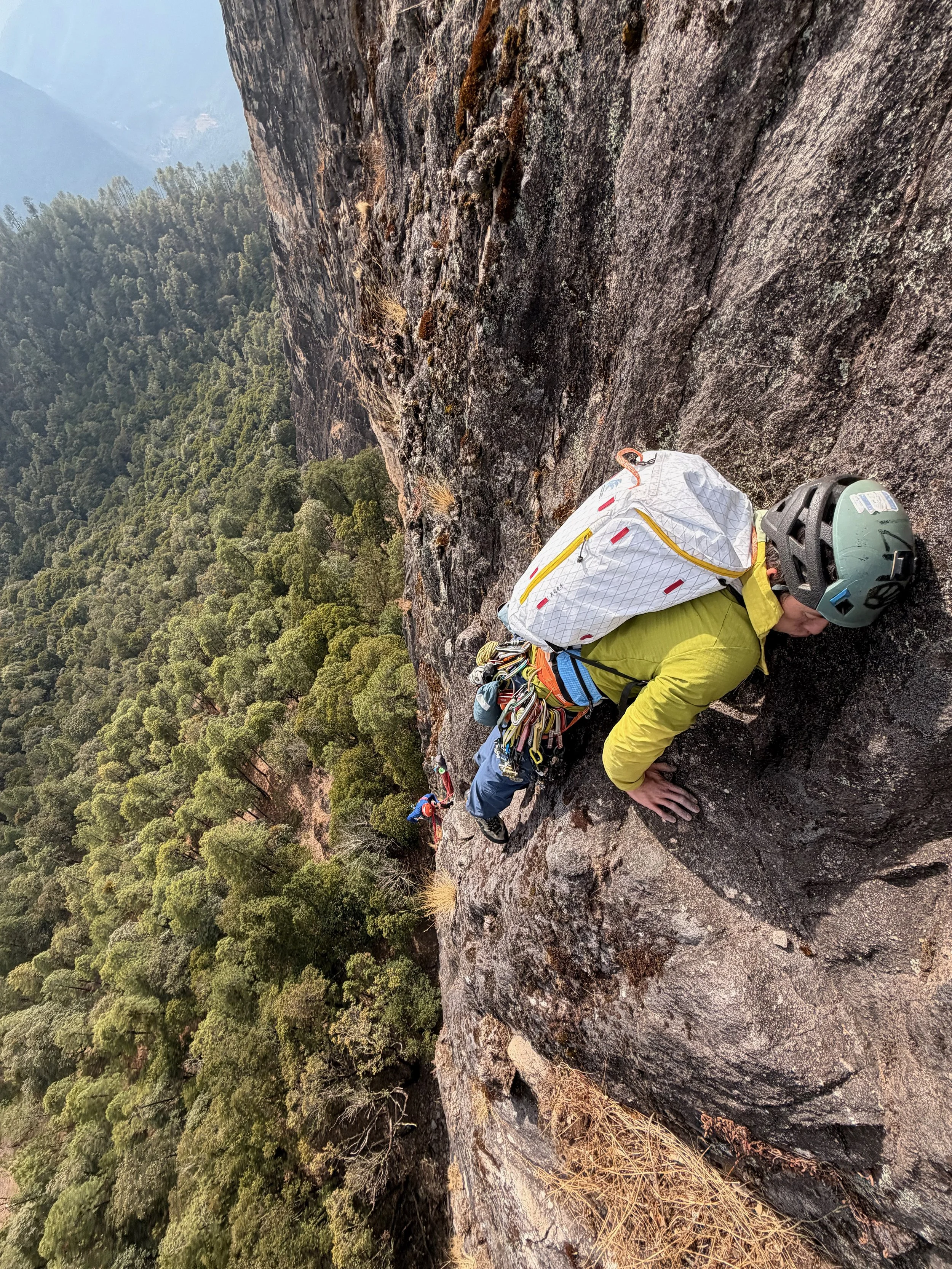
Ryder Stroud sees how much he can carry while climbing one of the harder pitches on Allegory of the caves (5.11c, 17 pitches) at Baiyansi, Yunnan Province, China.
-
![]()
Jack Xuan climbs with a Baiyansi 30 during the first ascent of Eat Your Index Finger for Breakfast (5.10+, 5 pitches) at Baiyansi.
-
![]()
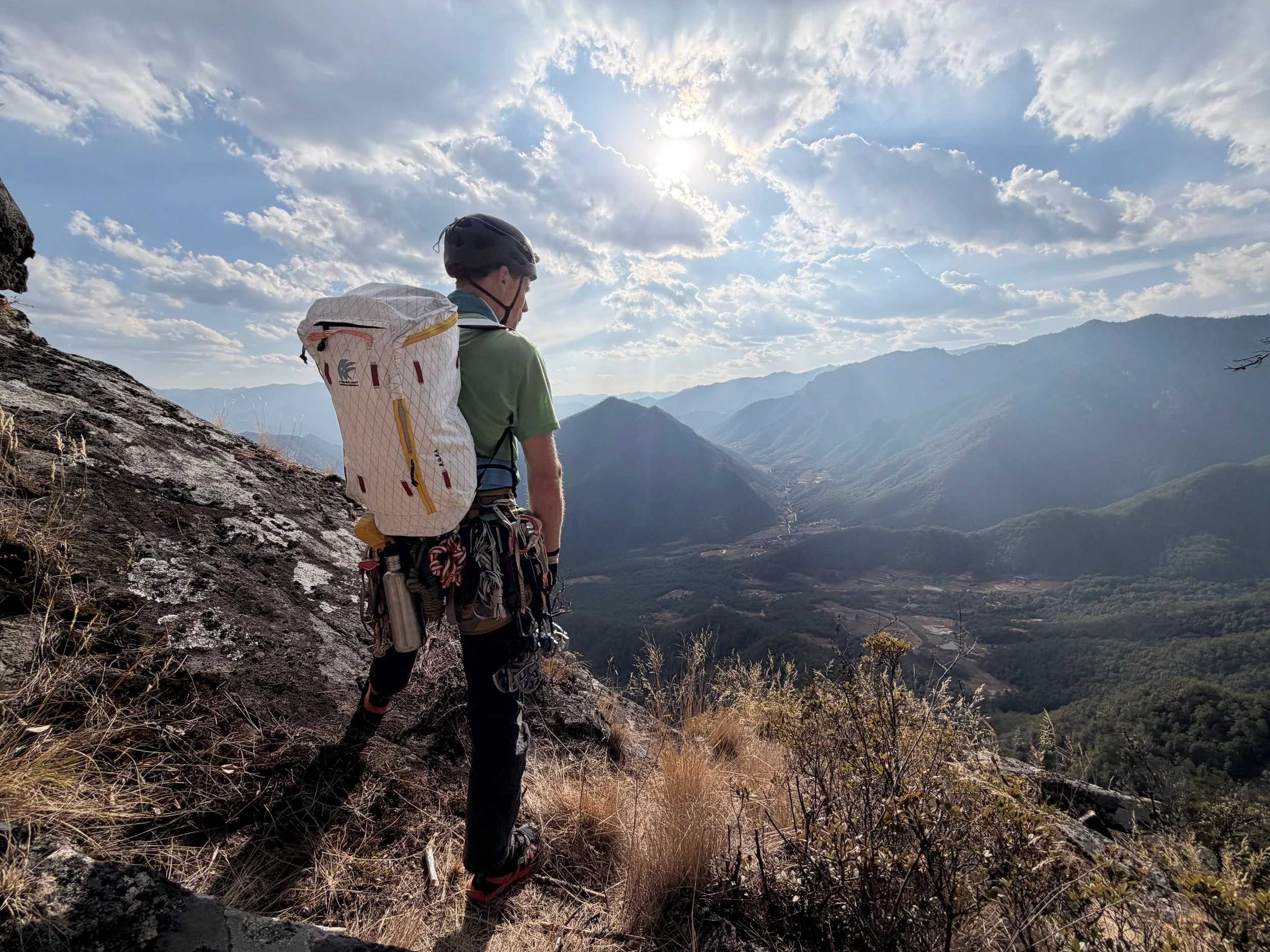
Jonny Lumb and Zhoulei testing out the white and black variants of the Baiyansi 30 on its namesake mountain, spring 2026.
-
![]()
Founder Ryder Stroud tests the pack's alpine chops in the Cascade Mountains in Washington state, USA.
-
![]()
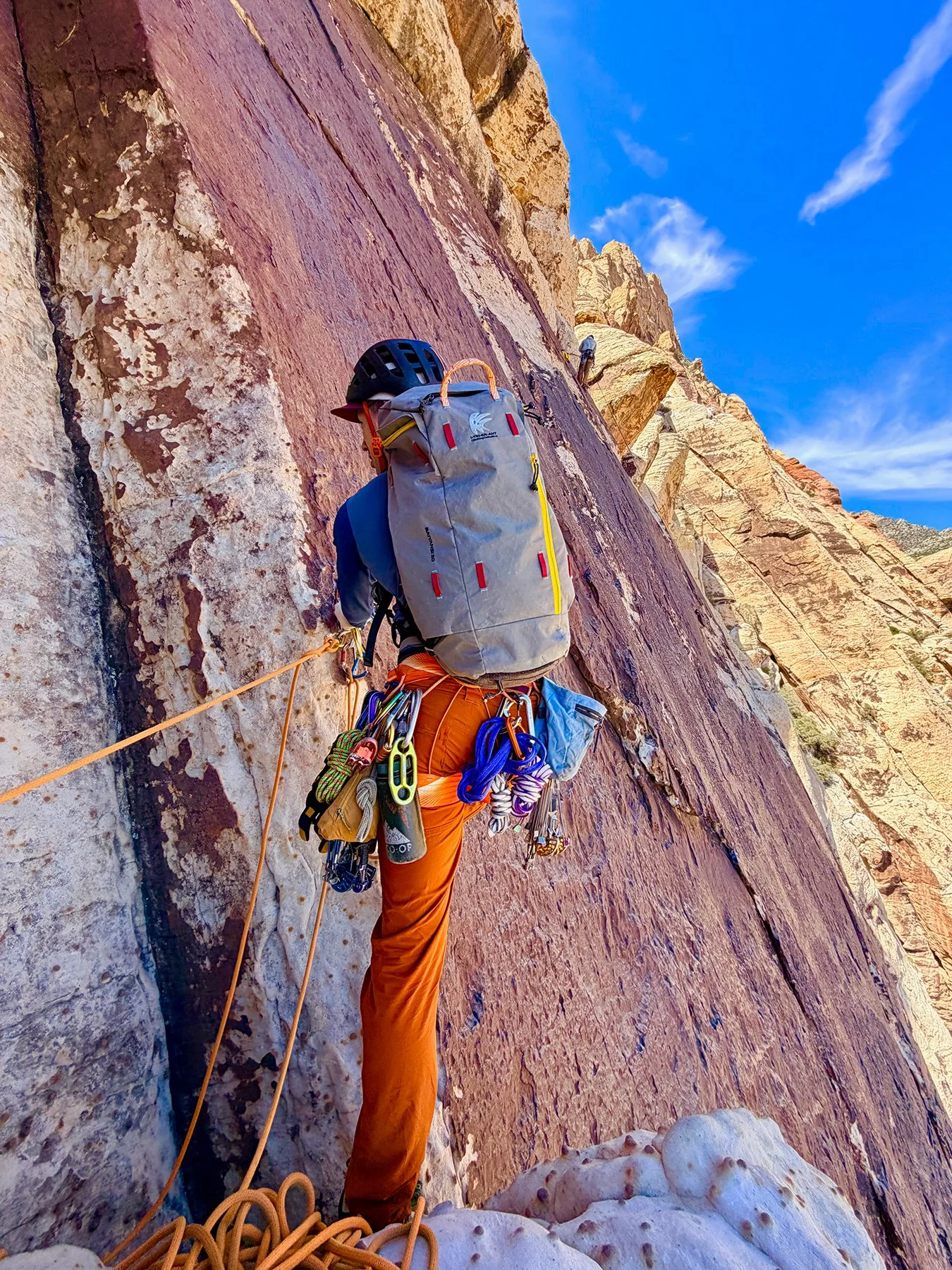
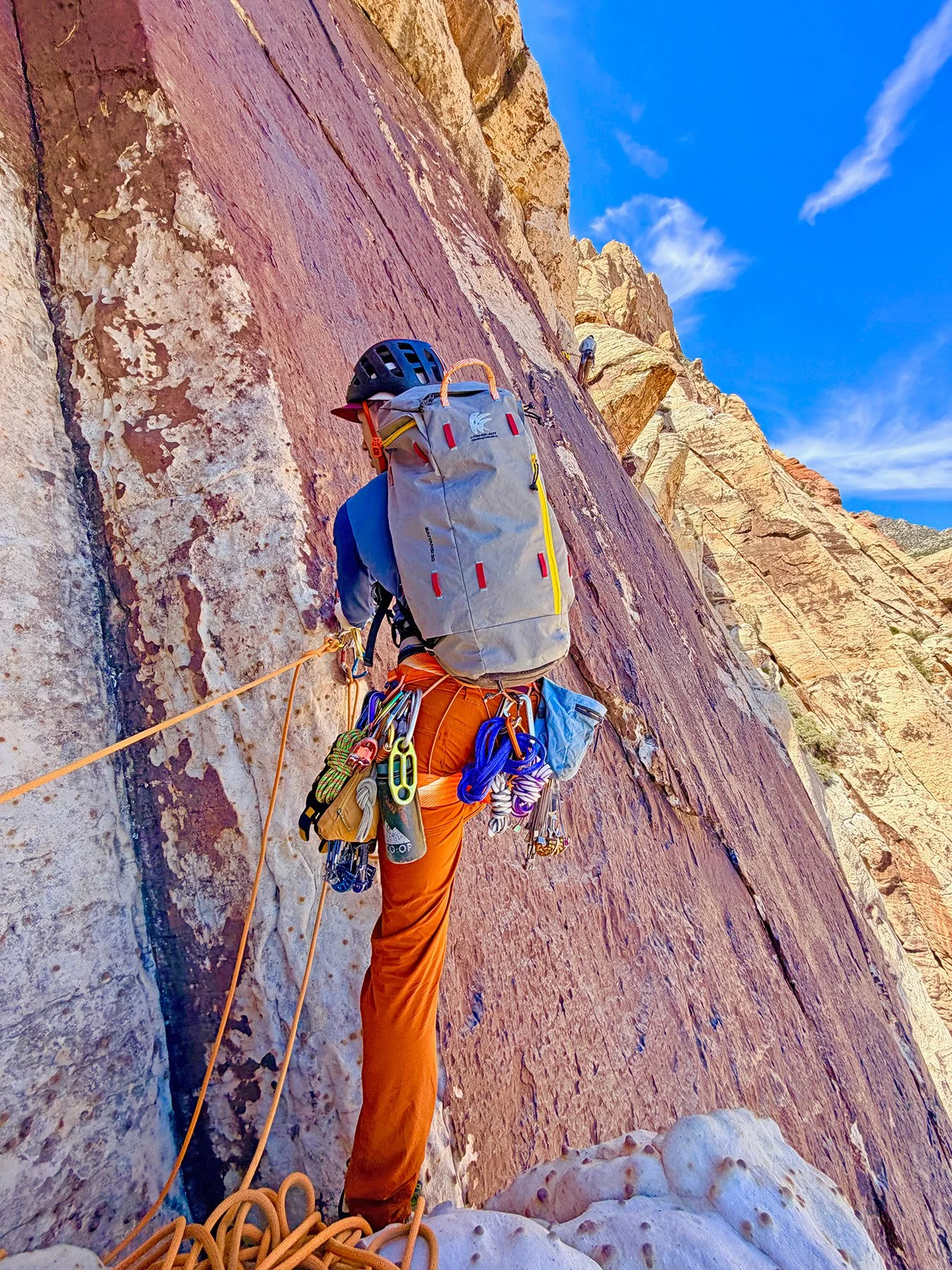
The Baiyansi 30 travels from its home turf to points abroad. A view of the pack during a climbing trip in First Creek Canyon, Red Rock.
Watch the story behind the pack
Baiyansi: A Story of Big Wall Climbing in China tells the tale of the mountain behind the Baiyansi 30. Its namesake mountain, nestled deep in the forests of the Himalayan foothills, started as an obscure wall sticking out of the bluff that the nearby climbing community nearly overlooked. Its distance from the road and proximity to climbing meccas like Liming and Shigu left Baiyansi in relative obscurity until 2018, when 2 climbers decided to find out what secrets the wall held.
Baiyansi (白岩寺):
The Mountain That Inspired the Pack
Hidden deep in the Hengduan Mountains, the eastern extension of the Himalaya, lies a mountain that changed the story arc of the climbing community in China.
a wall full of secrets
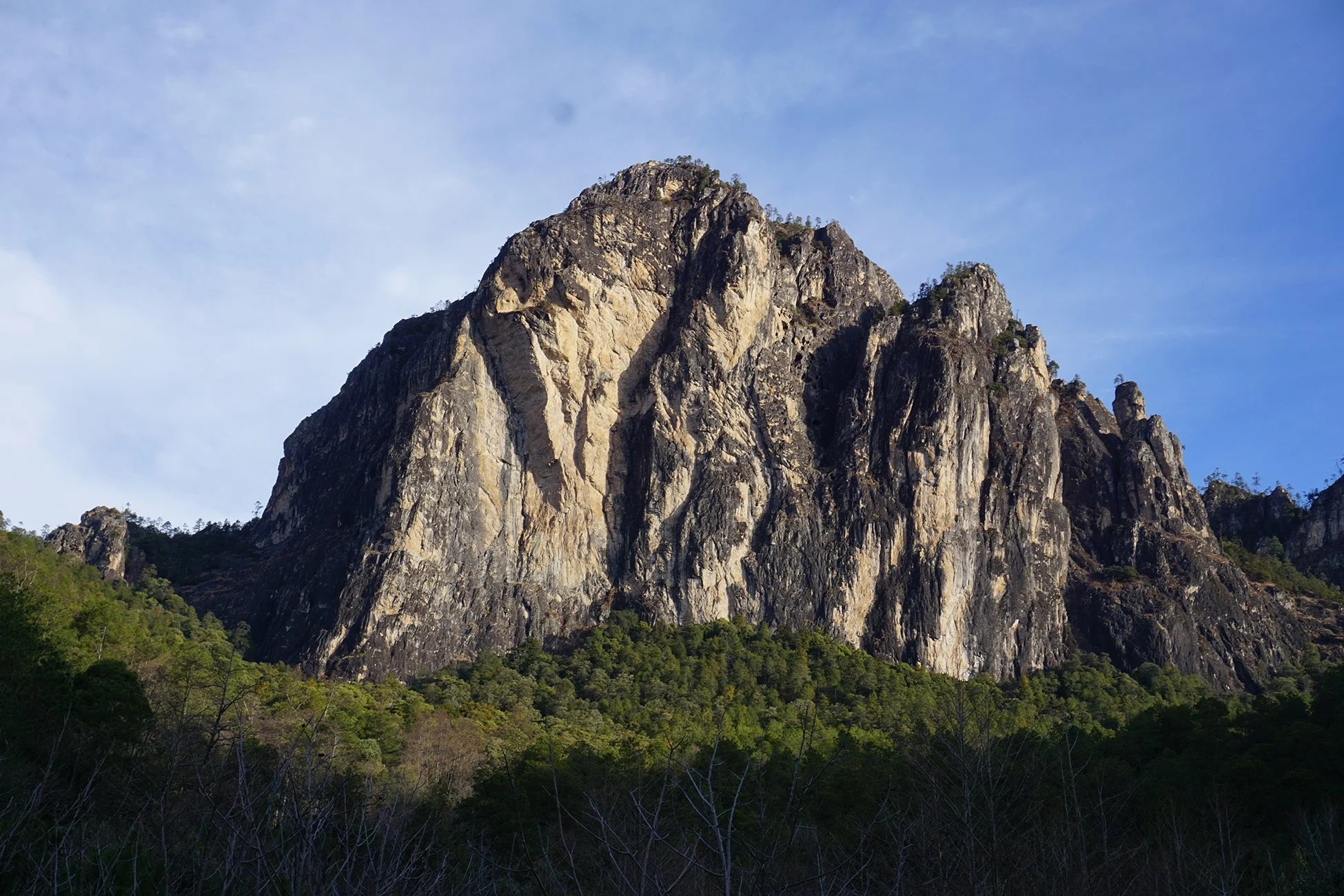
Towering over the pine forests in the foothills of the eastern Himalaya, Baiyansi is a huge, approximately 550 meter-tall wall in the highlands of western Yunnan Province, China.
While the area is known largely for the sandstone trad and sport mecca in Liming and the abundance of limestone sport climbing in Shigu, Baiyansi is a relatively new wall with incredible potential for an entirely different style of climbing unlike its more well-known neighbor crags. ICC’s founder, Ryder Stroud, spent nearly a decade refining his climbing and gear development skills in some of the best climbing destinations in Asia, all while being a part of a community helping push a forward a style of climbing that was largely unknown at the time in China.
-
![]()
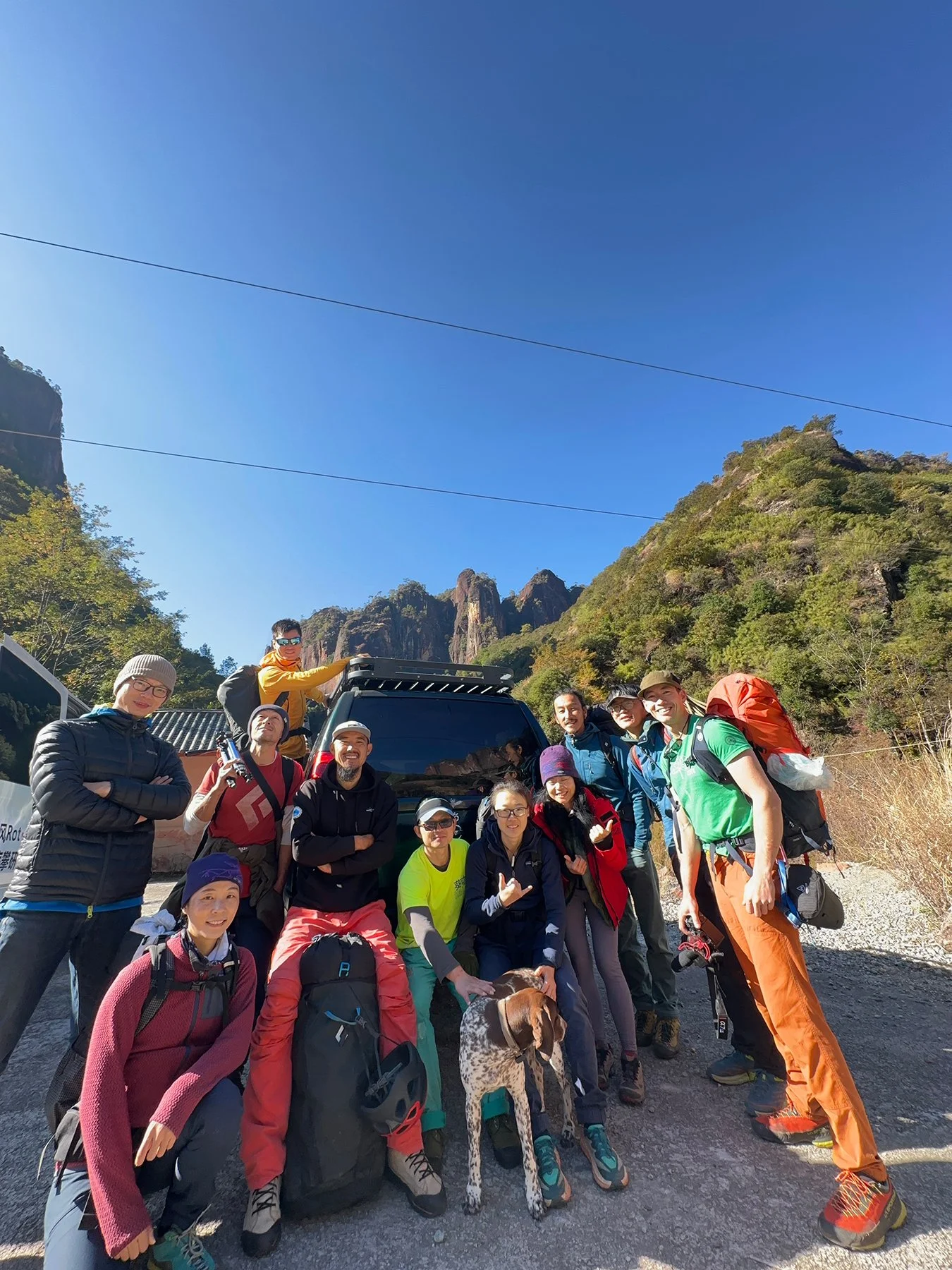
Part of the post-covid Liming climbing community, circa 2023
-
![]()
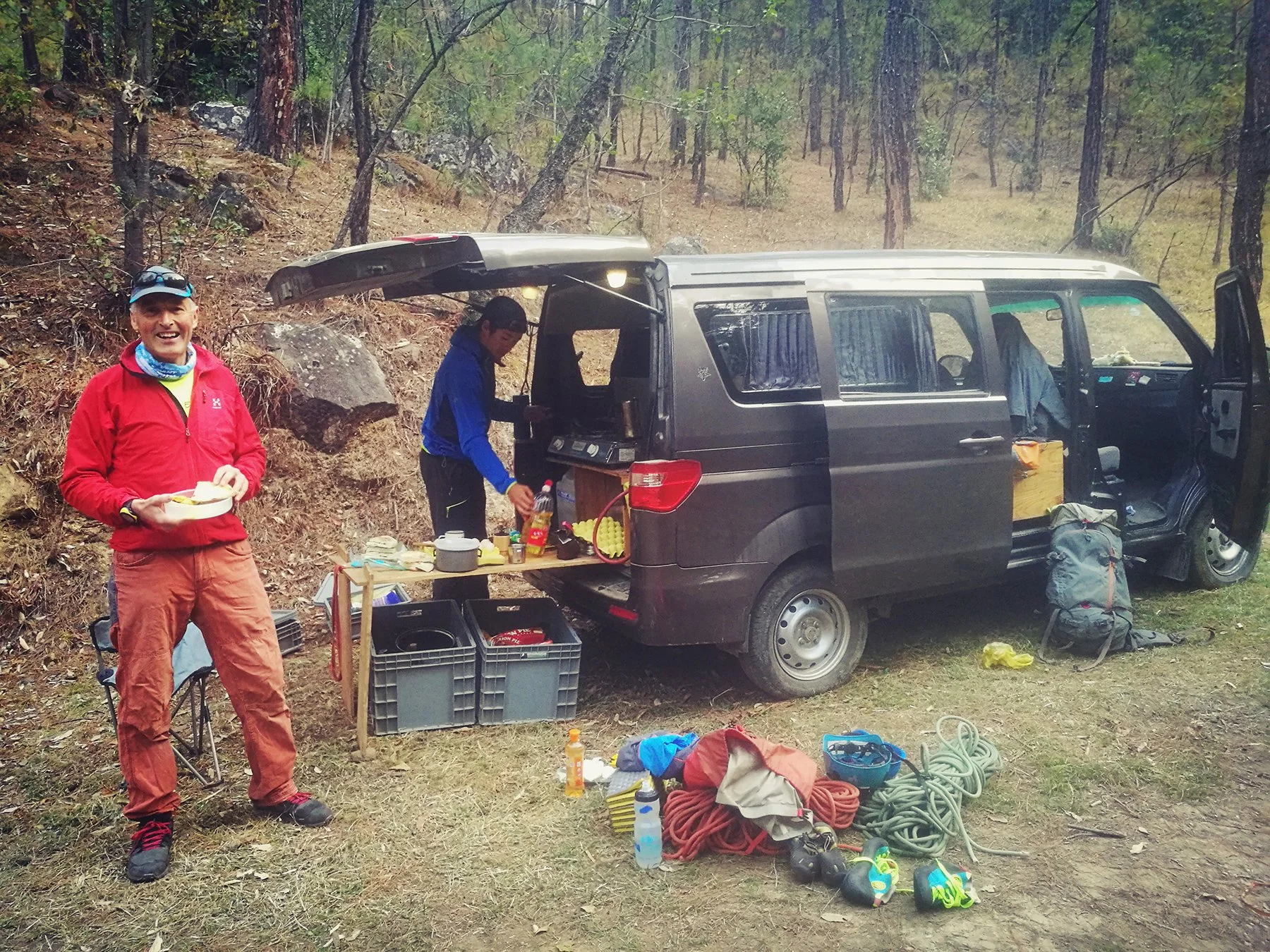
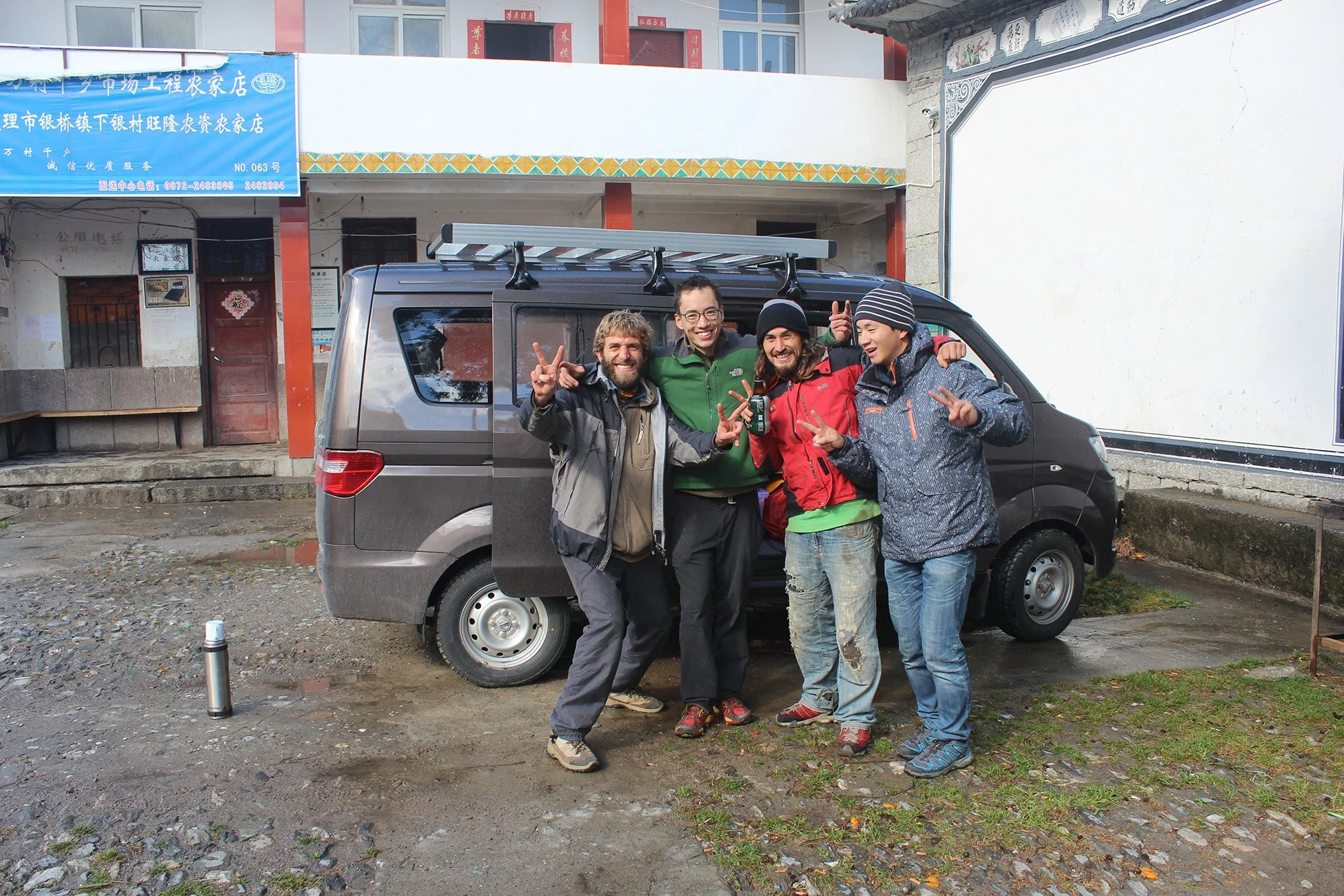
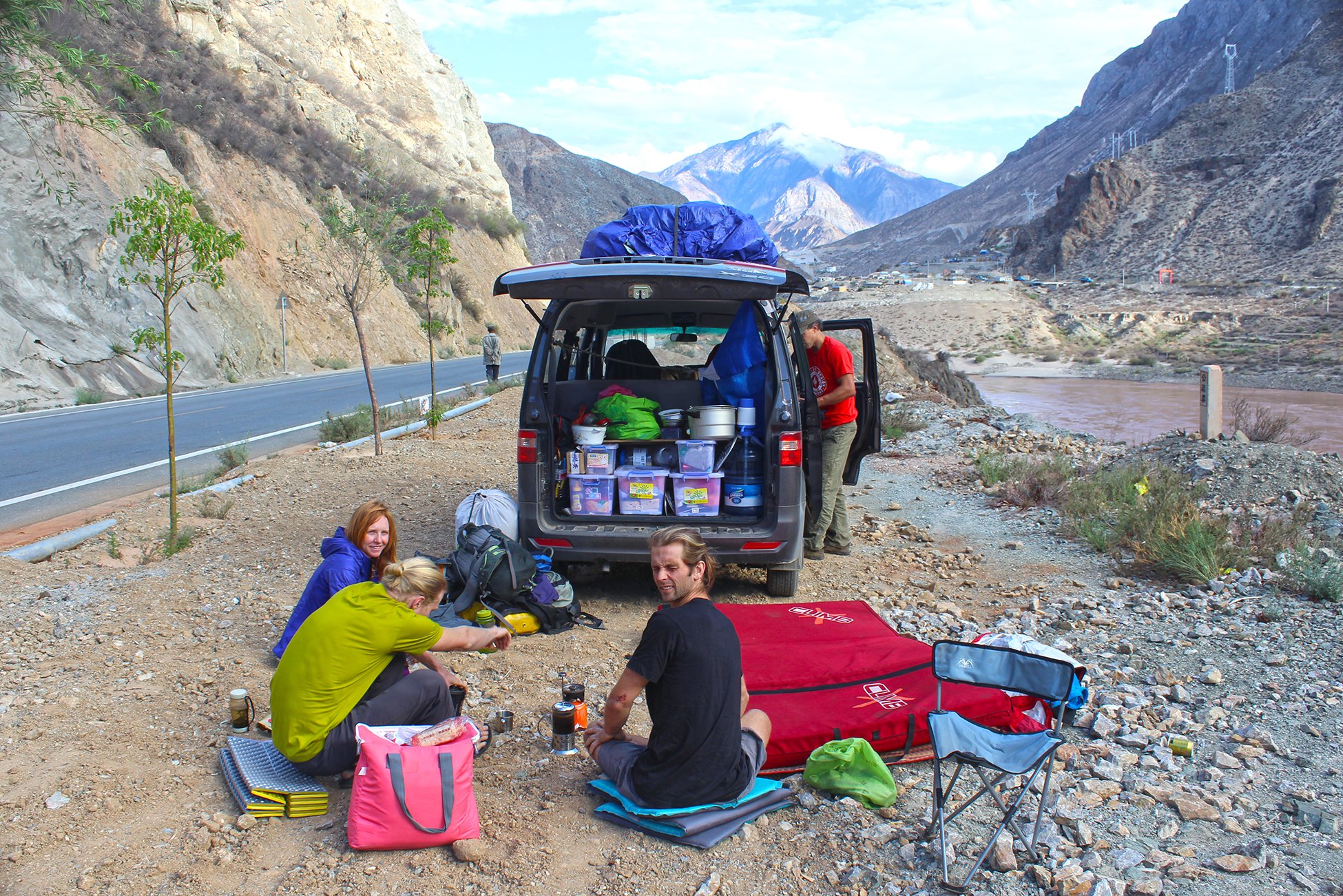
Ryder and some of his original climbing partners in China, circa 2014, pictured with Ryder's tiny van, which they affectionately named "The Turd Bus."
-
![]()
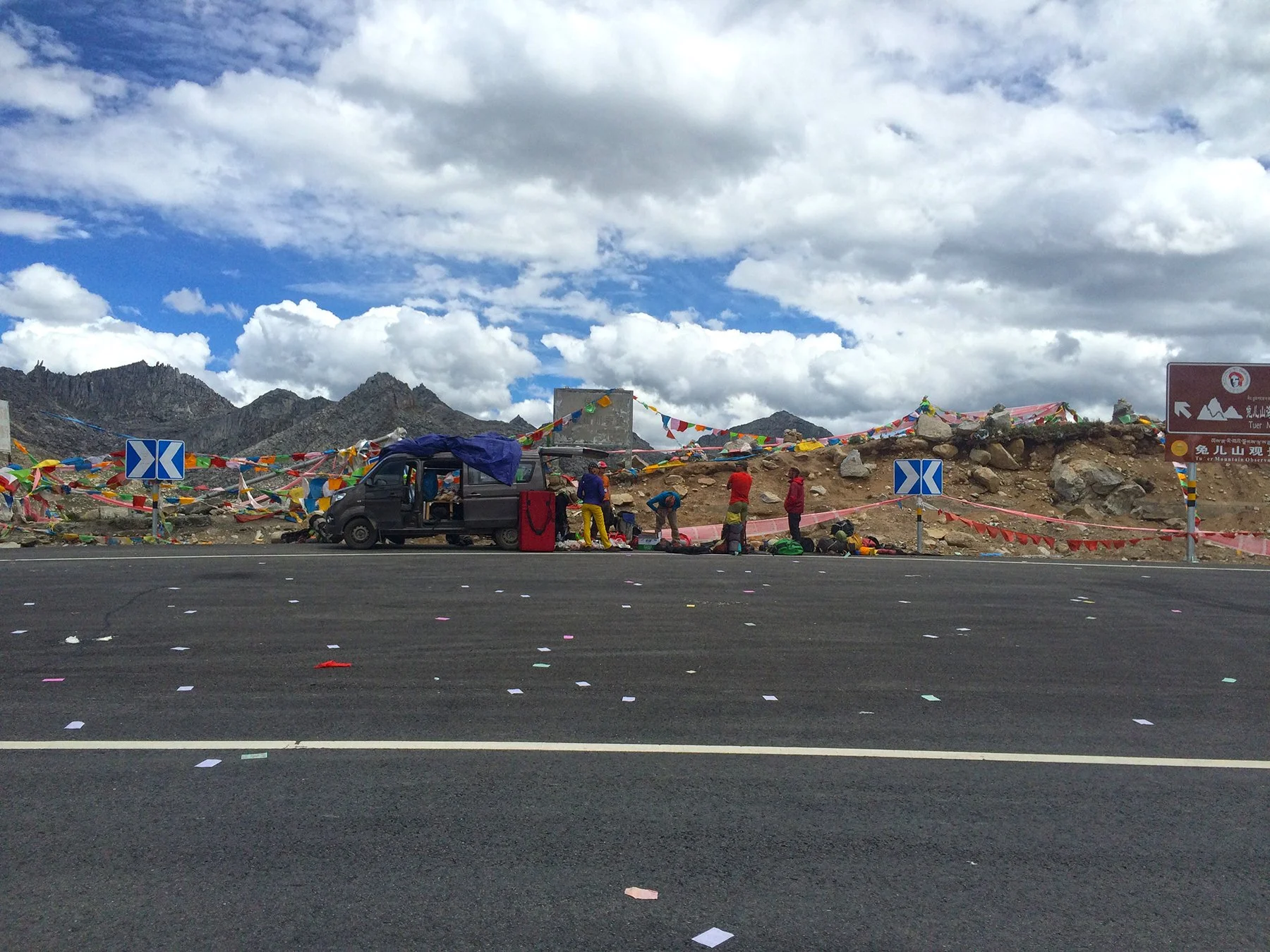
The Turd Bus, somewhere near the border of Tibet and Sichuan Provinces, circa summer 2015
-
![]()
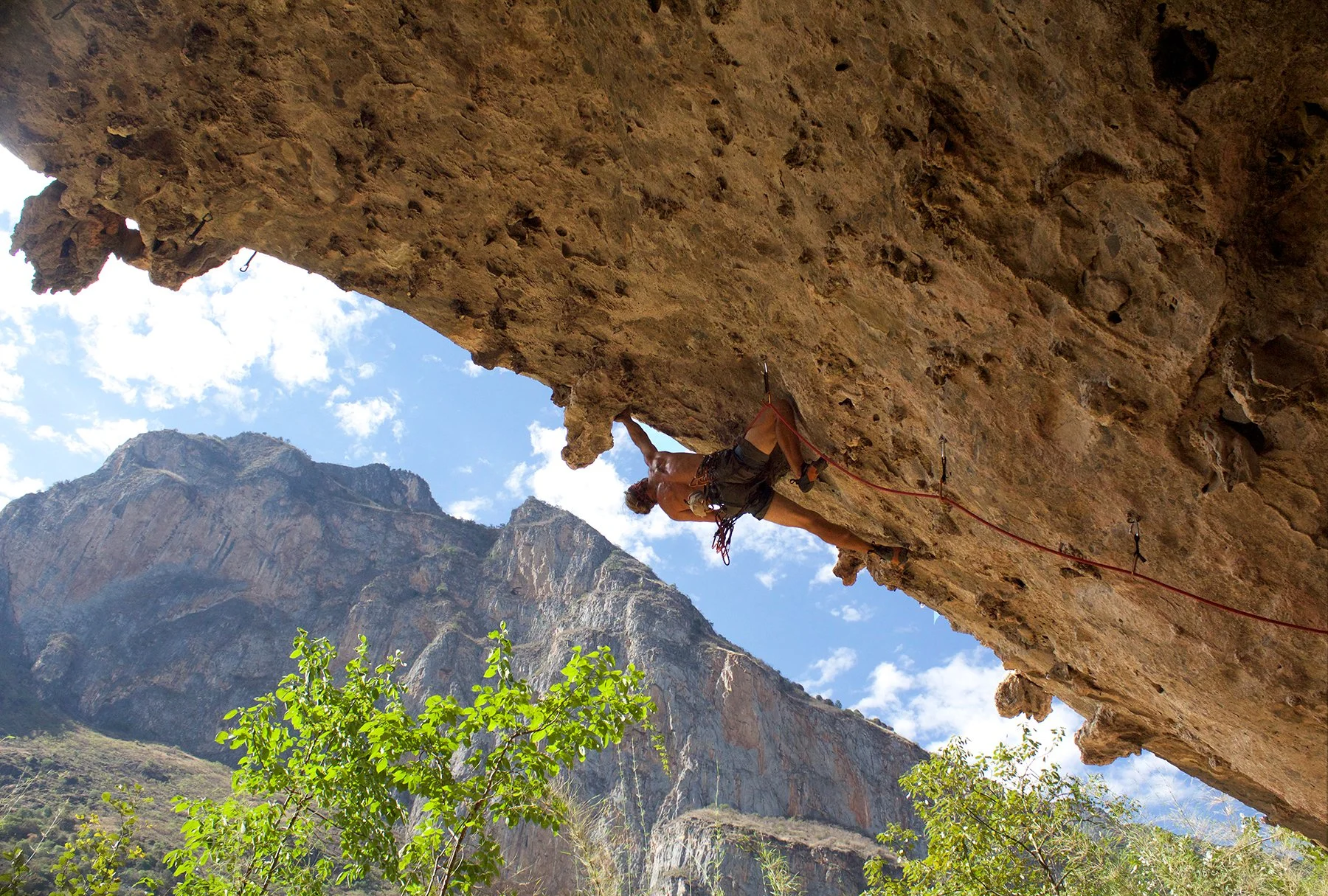
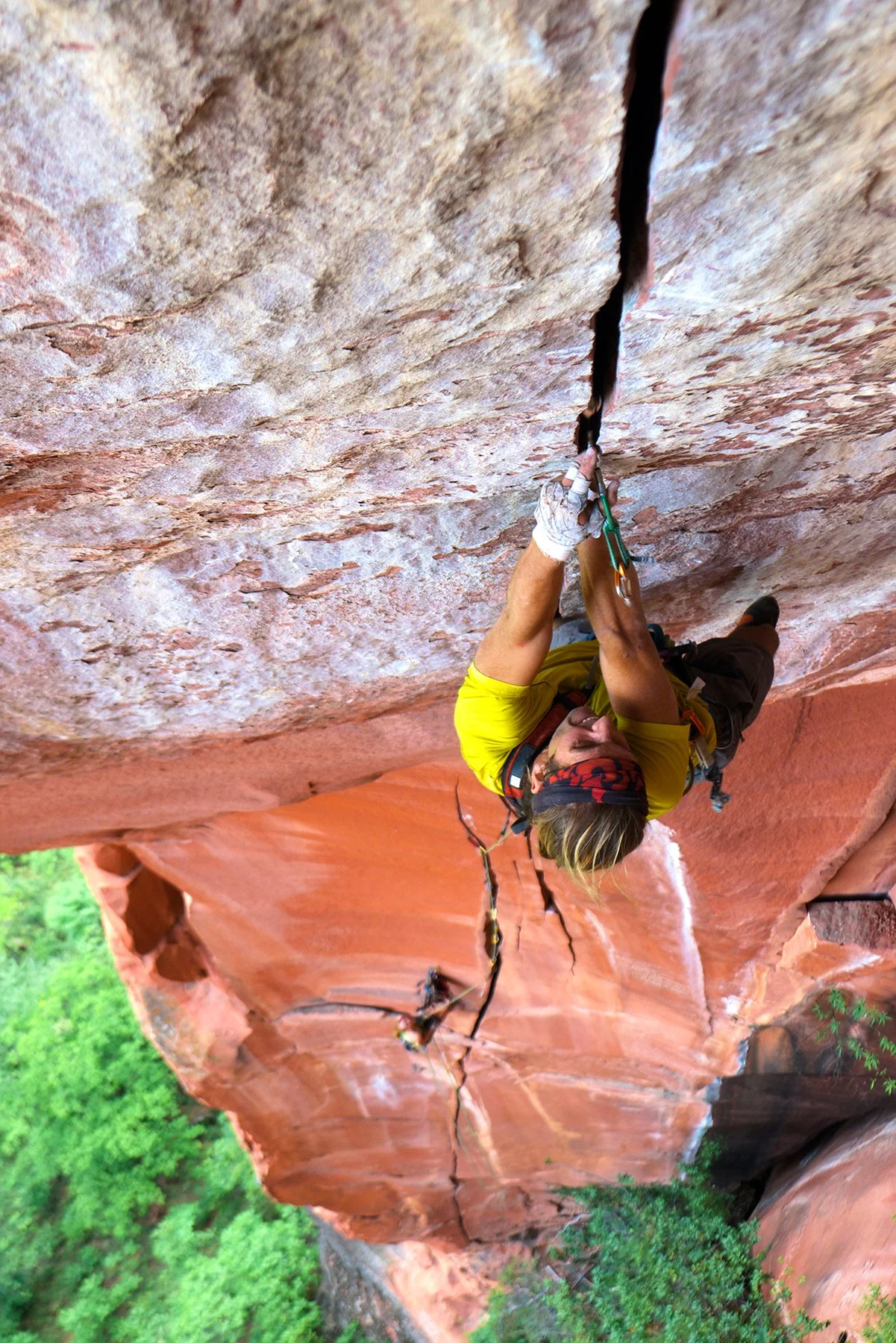
Ryder climbing one of his routes, Elephant Riders (5.12, 4 pitches) in Liming, Yunnan.
-
![]()
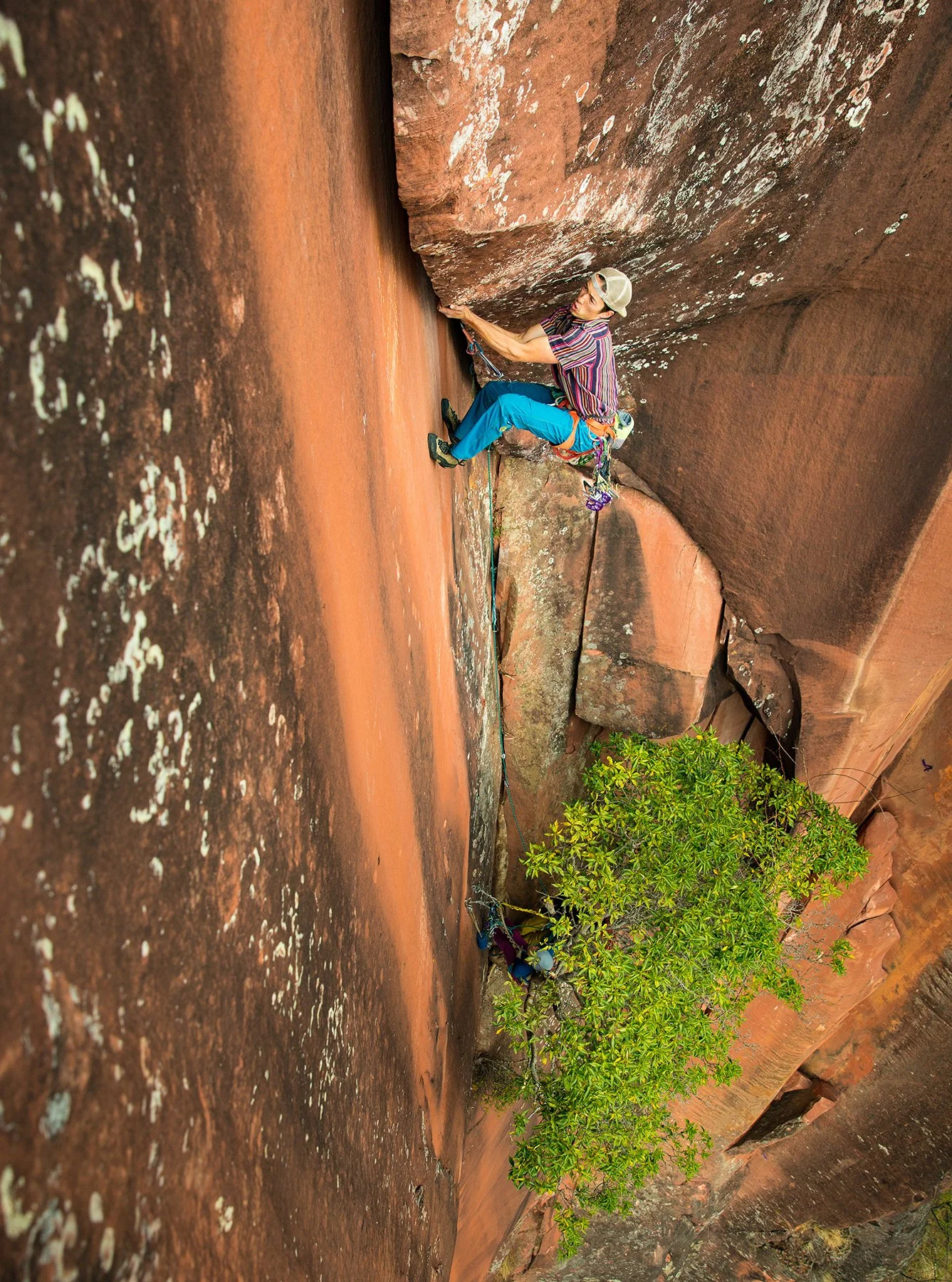
Ryder climbing one of the few adventure multipitches that existed in Yunnan Province at the time, Back to the Primitive (5.11c, 8 pitches).
-
![]()
A view of some of the climbing in the Shigu region of Yunnan, just next door to Baiyansi, circa summer 2015.
-
![]()
Ryder's mentor, Mike Dobie (the leader of the community during climbing's golden age in Liming, Yunnan), climbs The Firewall (5.13d, 3 pitches). Mike inspired Ryder to look further afield for new routes, leading Ryder and his friends to start climbing at Baiyansi.
-
![]()
Ryder's van high at a mountain pass in Western Sichuan Province in 2015, as he and his team sorted gear to go to Rabbit Ears Mountain.
a rich history in a diverse region
Long before Ryder and his climbing partner Dane Schellenberg climbed on Baiyansi’s walls, the mountain was a pilgrimage for the local people who lived in the valley below–a constellation of people from the Bai, Lisu, Naxi, and Han ethnicities. Local religious practices can very widely over short distances, and some of them fall under a name referred to as “Benzhu,” which roughly translates to “local gods” from Chinese.
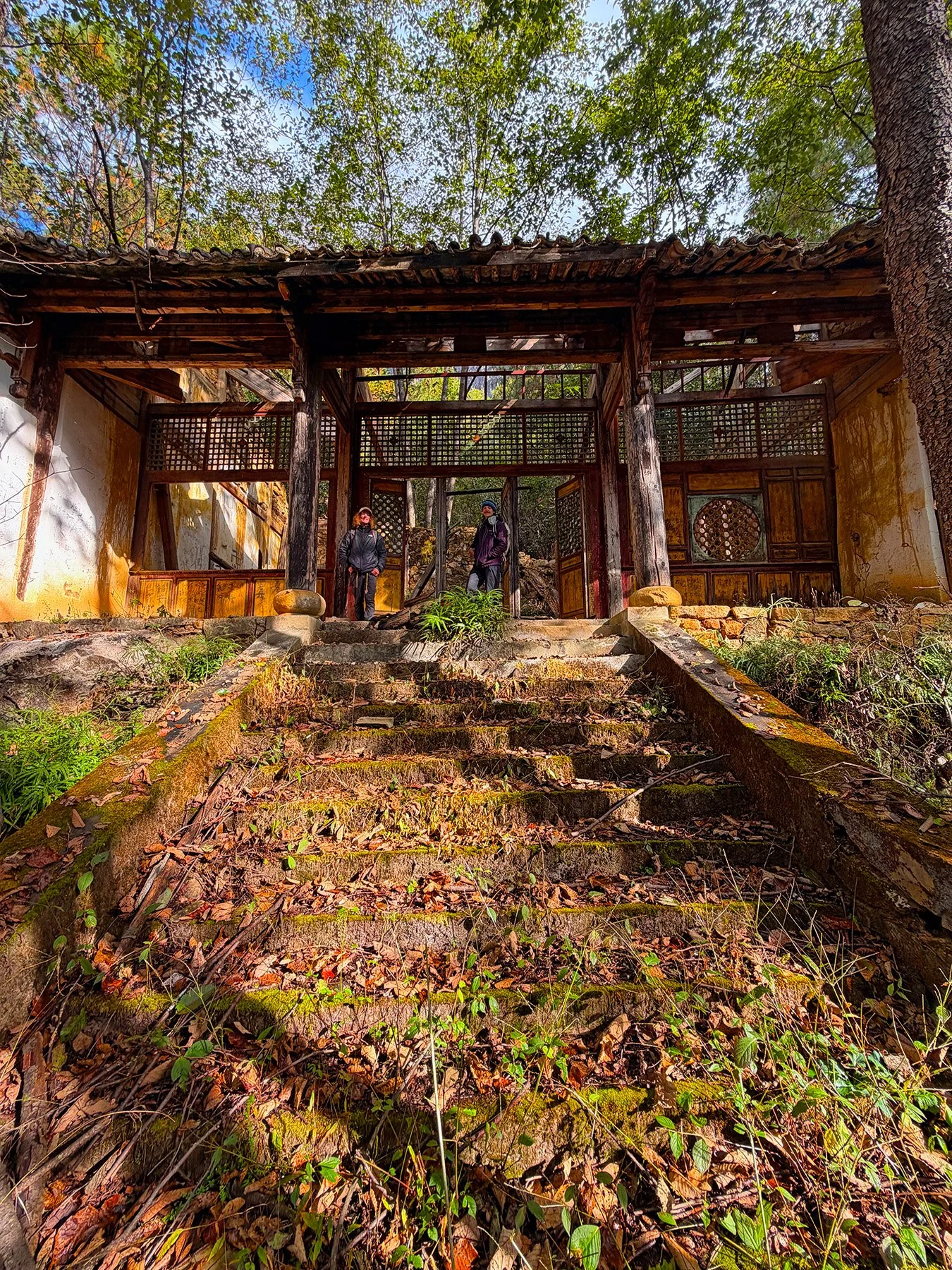
The religious sites on the mountain have largely been forgotten. Well below the mountain is a rammed earth and timber temple. The grounds are still littered with religious iconography and statues of deities that nature is reclaiming with each passing rainy season, as the structures slowly decay into the surrounding forest.
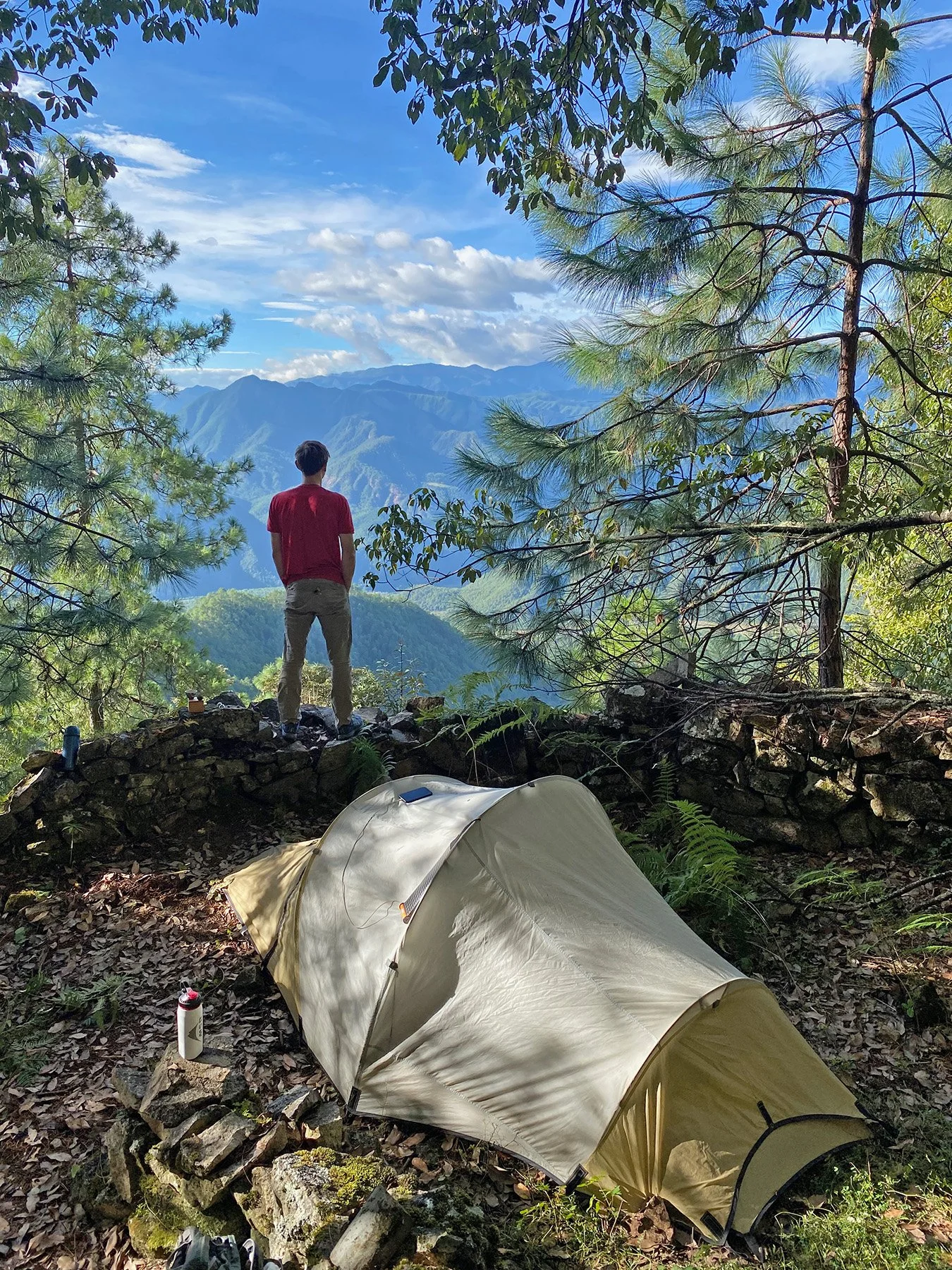
Further up the mountain, at the very base of the main wall sits evidence of a much older religious site. Visitors can find a stone foundation to a temple that dates back over two centuries to the Qing Dynasty. A low stone wall rings a flat section of earth atop a massive boulder, with the fourth side being the mountain of Baiyansi itself.
The most intact site that attests to Baiyansi’s spiritual history can be found at its very top. Climbers ascending Allegory of the Caves, the mountain’s longest climbing route, will find a small stone shrine perched atop the summit, surrounded by prayer flags and a small lean-to for people who make the journey up the steep trail that weaves up the back side of the mountain. The icons in the shrine itself are a testament to the crossroads that Yunnan served as both trade and cultural exchanges, as they bear elements of Tibetan Buddhism, Chinese Daoism, and a mix of local animistic beliefs.
In modern times, only a few local people go up the slopes of Baiyansi to tend their flocks of goats and cows as well as to gather mushrooms in the early fall following the summer rainy season.
-
![]()
A local Lisu resident of Liming, one of the mountain towns in the same range as Baiyansi.
-
![]()
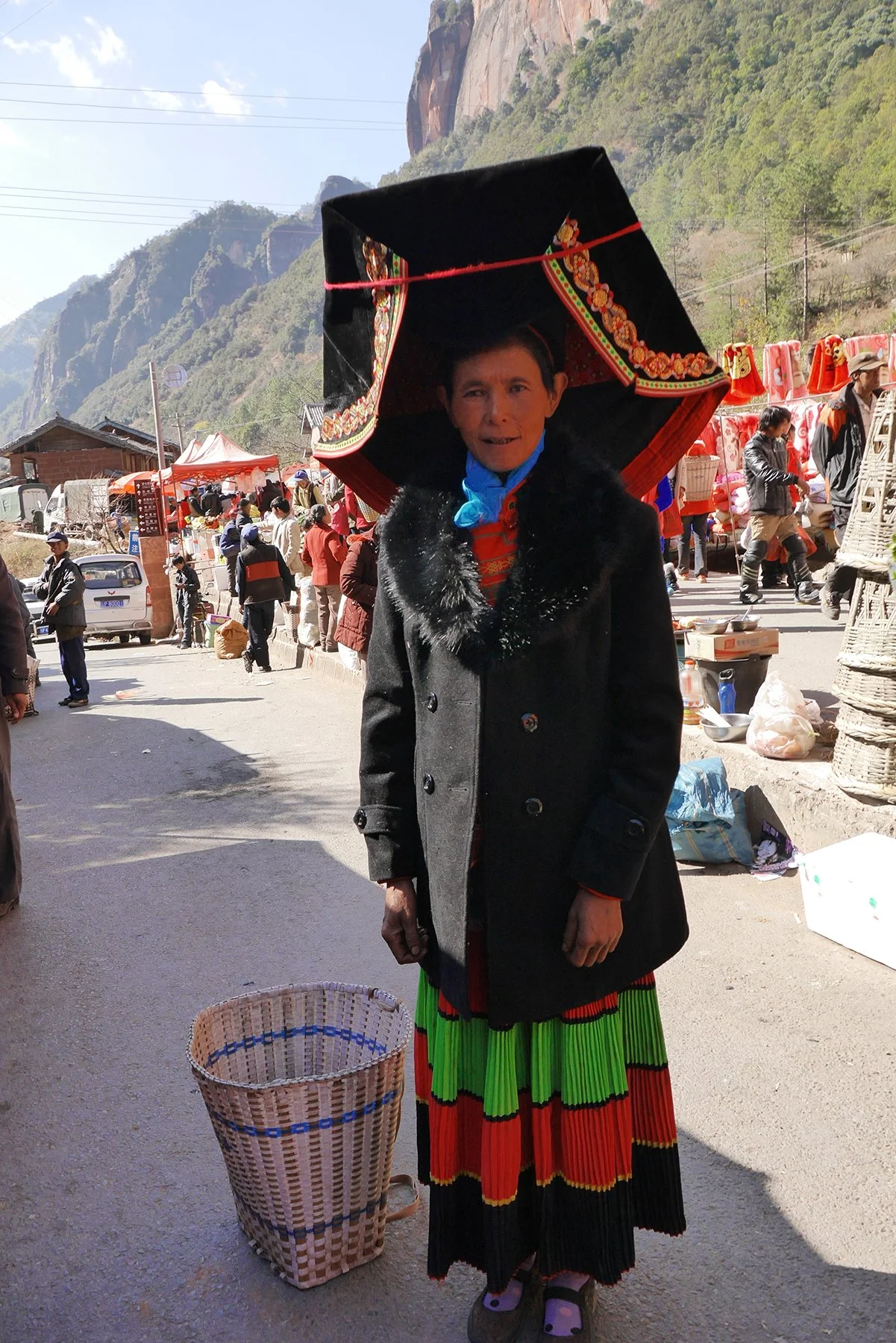
An Yi Woman at market day (赶集)near Baiyansi. The Yi People live high up in the mountains of Yunnan Province.
-
![]()
The ruins of a timber and rammed earth temple in the forest beneath Baiyansi.
-
![]()
Camping in the Qing Dynasty temple ruins at the base of Baiyansi.
-
![]()
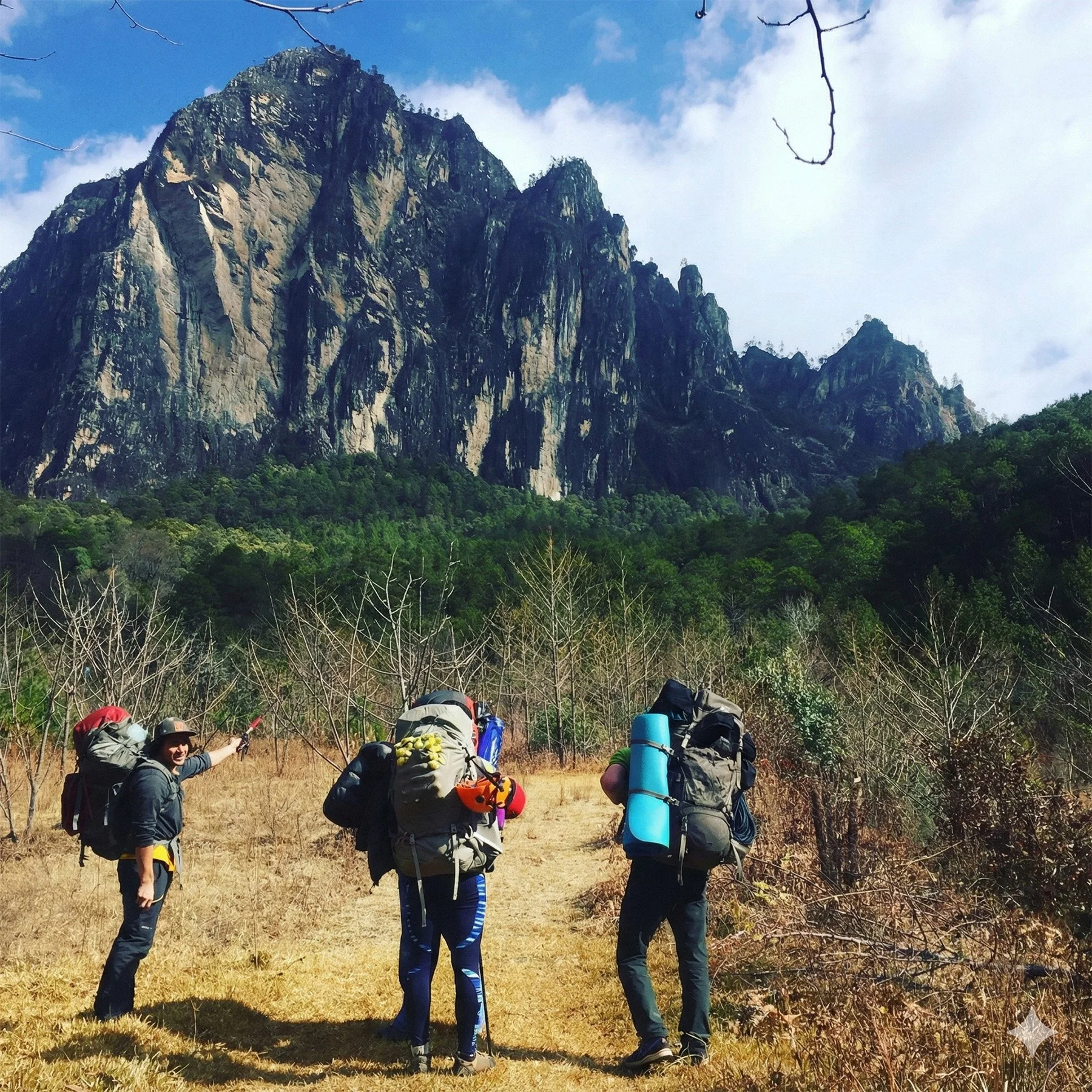
A view of the main face of Baiyansi, stretching up to 1800 feet at its highest point.
-
![]()
Yunnan is the most ethnically diverse province in China. Here villagers gathering at a street market near Baiyansi. The area is a diverse mix of Lisu, Bai, Naxi, Yi, and Han people.


a climber’s paradise
In 2018, Ryder and Dane, picking up on some rumors from a local guesthouse owner friend, ventured into the forest, expecting to find just a small wall sticking out of a bluff that they might find a few places to go rock climbing. They were not anticipating find much. After all, the climbing they had heard about for years was all in Liming and Shigu, nearby areas that everyone thought contained all of the regions good climbing.
But after crashing through the undergrowth, they instead discovered something VERY different: an 1800-foot tall wall nearly the size of Yosemite’s Half Dome–but untouched by climbers. Its soaring faces rose upwards, with towers, caves, corners, and ridges zigzagging their way up the enormous faces to a summit up in the clouds. The two looked at each other and knew almost from the outset: this was a project they needed to undertake… starting yesterday!
The two of them ventured off into the unknown, with each new route pushing higher up the formation than the last. 2018 saw their first route, It’s Just a Ride, top out a prominent shoulder on the mountain’s east side. But they quickly knew they had to go bigger–for a route that topped out the main peak. By the winter of 2019, the two had established one of the longest multipitch rock climbs in China, the 17-pitch Allegory of the Caves, a towering route that climbed through a wildly improbably series of caves high on the mountain.
Over the next 8 years, they embarked on an adventure of putting up routes in a style that the climbing community lacked but sorely needed: big, adventure-style climbing routes–routes that took not just athletic skill, but technical expertise and a big sense of exploration in order to complete. They wanted to create something to share with the climbing community. What they and their tight-knit group of Chinese and international climbers created turned into one of the premiere multipitch climbing destinations in all of China.
All the while, Ryder and Dane were spending weeks of their lives on the wall. They knew what they needed to carry to better their chances of success. Ryder kept thinking of how they could best package and carry their gear to get it up into new regions of unexplored mountain: how could they best carry water; how they could haul bags up a hard pitch without destroying the bag itself; how they could have a bag that could carry more on the walk in that could slim down to travel up the wall when it came time to climb.
This extremely long and thought-out process led him to realize: all of those ideals that he and Dane were bringing to create and share new routes with the climbing community could be built into his pack. While the of them built routes that gave climbers a sense of adventure, Ryder could build a pack that could help facilitate climbers’ realization and enjoyment of those experiences.
The Baiyansi 30 was built much like its namesake mountain: to give the climbing community tools through which they can go out and have a big adventure in improbable places deep in the mountains.
-
![]()
an early expedition to Baiyansi in January 2019
-
![]()
Ryder's van, "The Turd Bus" acting as a mobile base camp and resupply point for high camp at Baiyansi, circa spring 2019.
-
![]()
Baiyansi gets new gear: Yoonseo Cho test drives one of the new Baiyansi 30 packs on its namesake mountain.
-
![]()
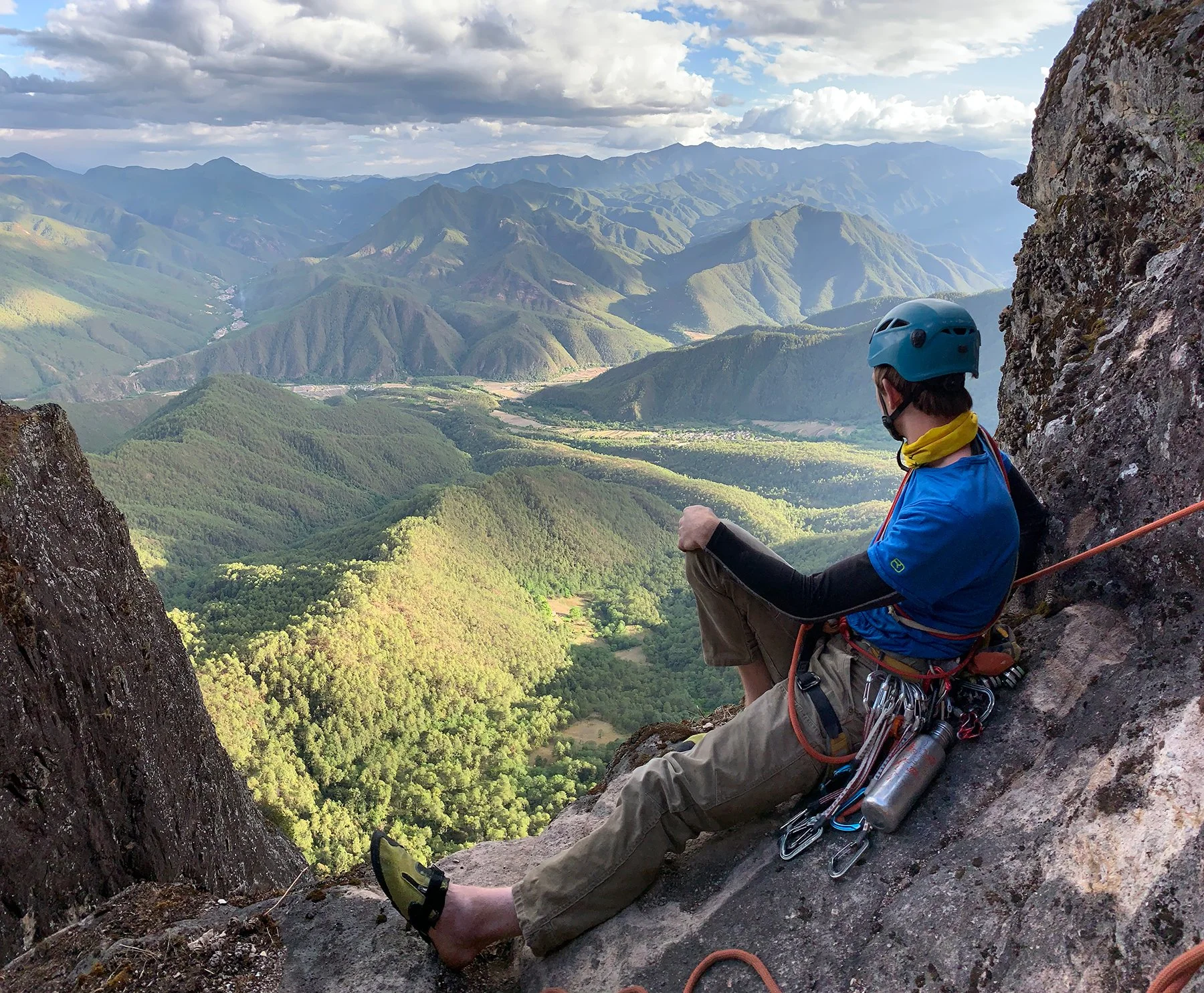
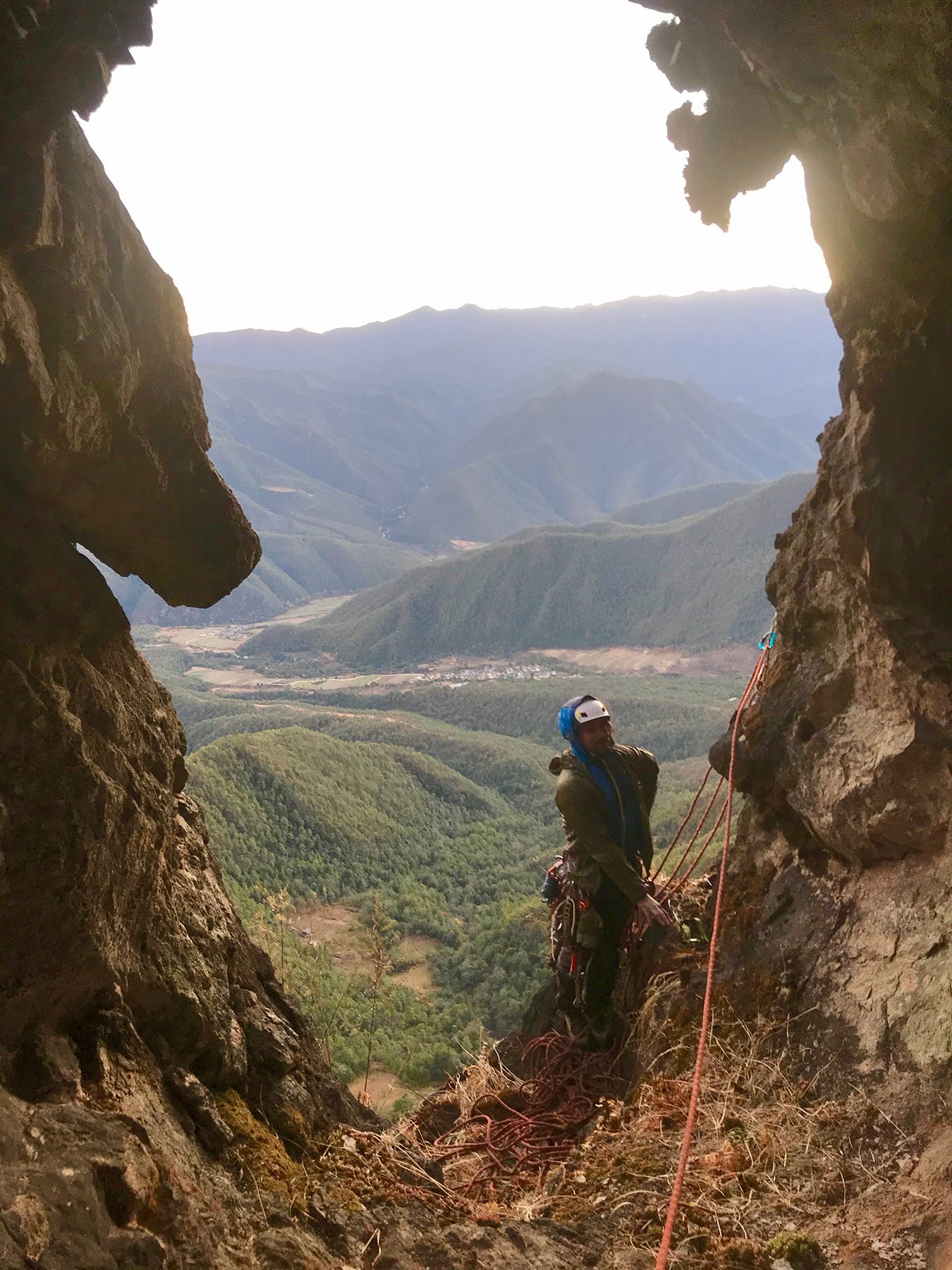
One of the early adopters of Baiyansi, Jonny Lumb, looks out from high on Allegory of the Caves, Baiyansi's longest route.
-
![]()
Dane Schellenberg midway up Allegory of the Caves during its first ascent in late 2019.
-
![]()
inside one of the granite caves high on Baiyansi
-
![]()
New ListType 1 fun with new gear: Aiden Flynn enjoys climbing the Milky Way (5.9, 15 pitches) after opening up Baiyansi's first 5.13 route.Item
-
![]()
Ryder takes one of the new packs for a spin up Alegory of the Caves in 2026.